


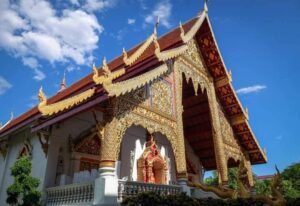

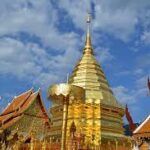

There are many hidden paradises in Asia, one of which is Chiang Mai. This city in Vietnam offers natural, cultural and culinary beauty which is known as one of the must-visit tourist destinations while in Vietnam. If you plan to fill your vacation with fun, come and enjoy the various excitement and beauty that Chiang Mai has to offer is a great choice. From those who like natural beauty, to those who like cultural tourism, parties or culinary delights, everything can be obtained from this city.
So that your plans for a vacation to Chiang Mai Vietnam run smoothly, this is a travel guide that you can do while spending your vacation there:
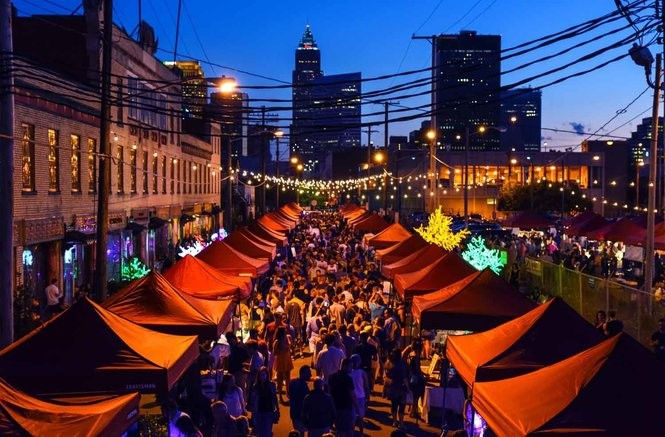
- Plan to tour Chiang Mai City. In this city, the feel of the countryside is still quite felt so it is suitable if you go around on foot to enjoy the atmosphere that is in Chiang Mai City. There are many temples that you will meet, night markets and some typical city views of Chiang Mai. Even though the sidewalks there are many damaged and used by street vendors, it adds to the excitement of getting around the city on foot.
- Plan your accommodation budget well. Chiang Mai City is one of the locations that is very suitable for hedon tourists or for backpackers because from cheap lodging to five-star hotels can be found there.
- Don’t miss the culinary tour of Chiang Mai City. Because it has many cooking schools and is influenced by Burmese culture, this city is very culinary rich. From local food, vegetarian food from organic ingredients to street food you must try when visiting Chiang Mai.
- Market in Chiang Mai. When visiting this city, one thing that cannot be missed is visiting the market there. From the regular market to the night market you must visit. Besides being able to buy souvenirs at affordable prices and hunting for Chiang Mai specialties, you can also mingle with the life of the people there.
- Learn the rules of nightlife in Chiang Mai. Every country has different rules, so as tourists we must understand the rules that apply. In Chiang Mai it is forbidden to hang out drinking alcohol after 1pm and bars there are also required to close after one o’clock in the evening. There are certain spots that are alcohol free. For those of you who also like to gamble, you can try playing at the Chiang Mai casino, this casino has an official license from Agenbola108.cc, so you are also safe and will not be caught and fined if you play here.
- Festival. In order for the experience of visiting Chiang Mai to be even more memorable, find out about the schedule of big day celebrations or festivals that will be held there. There are many types of Chiang Mai festivals that are always held to attract many tourists.
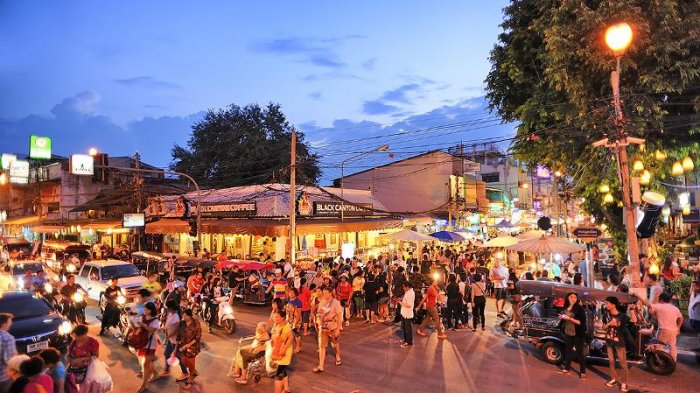
The 6 points above are a travel guide that you should pay attention to if you want to visit Chiang Mai. As tourists, we must understand the place where we are going on vacation, the food, the rules, the life of the people that are there. Manage accommodation costs properly and make a list of what to do while in Chiang Mai. Chiang Mai has a variety of charms that will attract many people to come on vacation there. This city offers a complete package of natural, cultural and culinary entertainment. The budget you need to enjoy a vacation there is quite affordable if you follow the travel guide correctly.
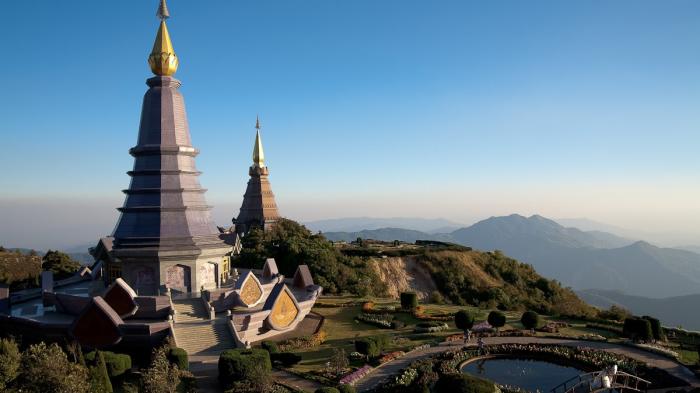
Alasan Mengapa Anda Harus Mengunjungi Chiang Mai Yang Menakjubkan
Alasan Mengapa Anda Harus Mengunjungi Chiang Mai Yang Menakjubkan – Chiang Mai adalah salah satu tujuan paling populer di Thailand. Terletak di utara negara itu, terkenal dengan kuil bersejarah, pegunungan yang indah, cuaca sejuk, dan pemandangan indah.
Alasan Mengapa Anda Harus Mengunjungi Chiang Mai Yang Menakjubkan
openchiangmai – Kota yang semarak dipenuhi dengan situs-situs menarik serta banyak restoran, kafe, dan bar yang luar biasa sementara di pinggiran kota Anda akan menemukan pemandangan yang menakjubkan dan desa tradisional. Di bawah ini adalah 10 alasan utama untuk mengunjungi Chiang Mai!
Cool and Pleasant Weather
Dikelilingi oleh pegunungan dan dengan perkembangan kota yang lebih sedikit, iklim Chiang Mai jauh lebih menyenangkan daripada di Bangkok. Dari bulan Oktober hingga akhir Februari, suhu rata-rata Chiang Mai adalah 25 derajat Celcius dengan suhu malam turun menjadi sekitar 10 derajat. Pada bulan-bulan musim panas, suhu mencapai 30-an, tetapi malam hari tetap lebih dingin daripada di Bangkok. Untuk suhu yang lebih dingin, menjauhlah dari kota dan jelajahi daerah pedesaan sekitarnya dengan Petualangan Pedesaan Chiang Mai dari Vespa Adventures.
Yi Peng Lantern Festival November
Jika jadwal Anda fleksibel, cobalah mengunjungi Chiang Mai saat bulan purnama di bulan November. Saat ini, ribuan turis lokal dan internasional datang ke kota untuk merayakan dua festival lampion Thailand: Yi Ping dan Loy Kratong. Kedua festival menampilkan lentera bercahaya yang diluncurkan ke langit untuk Yi Peng dan ke air dan daratan untuk Loy Kratong. Mengunjungi Chiang Mai selama festival ini pasti akan menjadi puncak liburan Anda di Thailand.
Rich History and Culture
Jika Anda seorang sejarawan atau suka mengunjungi tempat-tempat bersejarah, Chiang Mai adalah kota Anda. Berusia lebih dari 7 abad dan memiliki kuil yang berasal dari abad ke-13. Paling populer di antaranya adalah Wat Phra That Doi Suthep. Sehari dihabiskan menjelajahi lingkungan setempat, belajar tentang budaya, mencicipi makanan tradisional Thailand, dan mengunjungi kuil tersembunyi adalah cara yang bagus untuk memahami kekayaan sejarah Chiang Mai. Tur setengah hari Vespa Adventures ‘Insider Chiang Mai adalah cara terbaik untuk melihat semua ini dan lebih banyak lagi!
Baca Juga : Hal Terbaik Yang Harus Dilakukan Di Chiang Mai
Interact with Elephants
Di pegunungan yang indah di sekitar Chiang Mai, terdapat banyak suaka gajah yang indah di mana Anda dapat melihat dari dekat raksasa lembut ini. Gajah telah diselamatkan dari kondisi hidup yang buruk atau penganiayaan dan diberikan lingkungan yang aman dan sehat untuk pulih dan direhabilitasi. Selama kunjungan ke cagar alam gajah Chiang Mai, Anda dapat memberi makan hewan dan mempelajari lebih lanjut tentang kebiasaan dan kehidupan mereka dari pengasuhnya.
Trekking to hilltribe villages
Salah satu petualangan paling populer di Chiang Mai adalah trek suku bukit. Menghabiskan satu hari atau beberapa hari mendaki melalui dataran tinggi Thailand utara, Anda dapat bertemu dan belajar tentang budaya tradisional yang kaya dari berbagai kelompok etnis. Beberapa area paling populer untuk trekking di Thailand adalah Mae Hong Son dan Doi Inthanon di mana desa Karen, Akha, dan Hmong dapat ditemukan.
Scrumptious Traditional Food
Chiang Mai memiliki pemandangan kuliner yang luar biasa dengan segalanya mulai dari makanan tradisional Thailand hingga hidangan daerah yang lebih eksotis. Beberapa yang menarik adalah mie khao soi kari, som tom salad pepaya hijau dan daging panggang. Jika Anda suka mencoba hal-hal baru, maka kami sangat merekomendasikan tur Chiang Mai After Dark dari Vespa Adventures yang membawa Anda ke beberapa tempat makan dan bar di sekitar kota tempat Anda dapat mencicipi berbagai hidangan!
Hot Spring Baths and Natural Water Falls
Pemandian Air Panas San Kamphaeng yang terletak sekitar 1 jam perjalanan dari Chiang Mai adalah tempat terbaik untuk bersantai. Ini adalah spa terbuka dengan mata air panas, penginapan kolam renang dalam suasana subur dengan taman dan area piknik. Anda dapat menyewa sepeda motor dari kota dan mendekati San Kamphaeng dengan mudah setelah satu jam perjalanan.
Prisoner Massage
Ada kesempatan unik untuk mendapatkan pijatan dari narapidana wanita di Chiang Mai. Ya, dari narapidana, kedengarannya sangat berbeda; tetapi sebenarnya itu adalah bagian dari berbagai program Lapas Wanita yang memberikan kesempatan kepada para wanita untuk menemukan cara hidup mereka setelah penahanan mereka.
Cheap Shopping and Night Life
Chiang Mai menawarkan belanja murah dan kehidupan malam dibandingkan dengan Bangkok. Ini memiliki pasar malam di mana Anda dapat berkeliaran dan membeli produk lokal dengan harga murah. Anda dapat mengunjungi Pasar Gerbang untuk makanan tradisional yang murah.
Vespa Scooter Tour
Jika Anda menginginkan pengalaman yang benar-benar lokal dan unik di Chiang Mai, tidak perlu mencari jauh-jauh dari Vespa Adventures . Anda akan menjelajahi kota dan tempat-tempat terpencil di belakang skuter Vespa yang keren. Panduannya luar biasa dan akan berbagi banyak informasi tentang kehidupan sehari-hari dan budaya di Chiang Mai. Dan mereka termasuk makanan yang luar biasa! Jika Anda melakukan satu hal di Chiang Mai, itu harus menjadi tur Vespa Adventures !
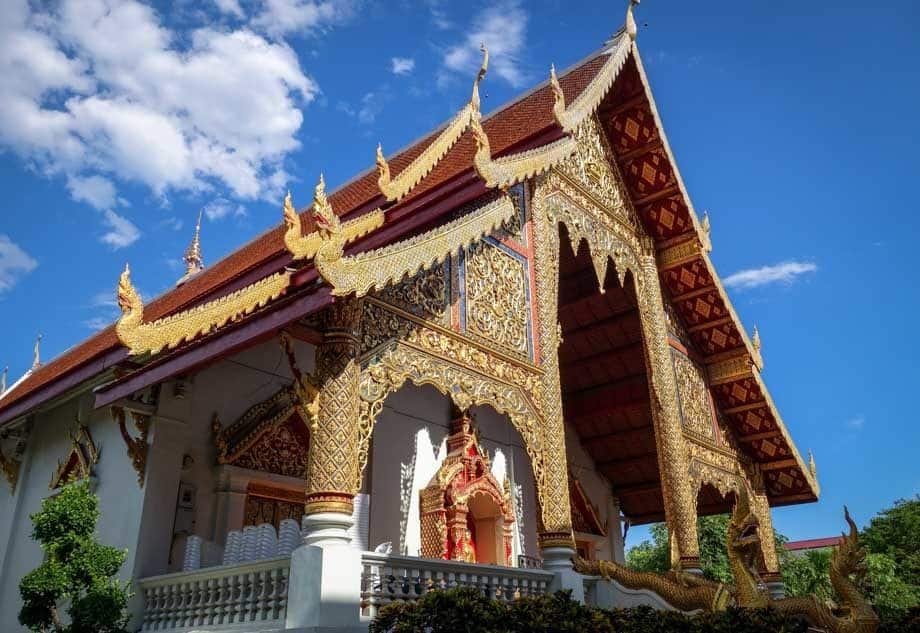
Hal Terbaik Yang Harus Dilakukan Di Chiang Mai
Hal Terbaik Yang Harus Dilakukan Di Chiang Mai – Dikelilingi oleh pegunungan yang rimbun dan dihiasi dengan kuil-kuil bersejarah, Chiang Mai adalah pusat terbaik untuk menjelajahi Thailand utara. Kota ini memiliki kombinasi petualangan, alam, budaya, sejarah, makanan, dan kenyamanan modern yang langka; perpaduan yang menjadikannya salah satu kota favorit kami di dunia.
Hal Terbaik Yang Harus Dilakukan Di Chiang Mai
openchiangmai – Jika Anda merencanakan perjalanan ke Thailand, kami menyediakan daftar besar hal menyenangkan yang dapat dilakukan di Chiang Mai. Dan ini bukan sembarang daftar yang akan Anda temukan online atau di buku panduan…
Kami telah menghabiskan banyak waktu di Chiang Mai. Seperti BANYAK. Kami bahkan menyebutnya rumah selama setahun, jadi kami mengenal kota ini dengan sangat baik. Kami telah mengumpulkan atraksi-atraksi terbaik serta hal-hal favorit kami yang tidak biasa untuk dilakukan di kota ini. Dan percayalah pada kami, dengan panduan praktis ini, Anda tidak akan pernah bertanya-tanya apa yang harus dilakukan di Chiang Mai.
Dengan pegunungan yang menjulang di belakang kota serta air terjun dan taman nasional di dekatnya, ada banyak kesempatan untuk keluar dan melakukan sesuatu yang berkesan.
Mendaki Sticky Waterfalls
Sebagian besar air terjun yang Anda pikirkan sangat licin karena tumpukan besar batu berlumut atau air yang bergerak cepat. Air Terjun Bua Thong (juga dikenal sebagai “Air Terjun Lengket”) unik karena dialiri oleh mata air yang kaya akan mineral.
Karena kandungan mineral di dalam air, bebatuan menjadi keropos dan sedikit kenyal, memungkinkan Anda untuk berjalan di atasnya dengan kaki telanjang (sempurna untuk siapa saja yang memiliki “sol yang mengembara”! Haha!)
Ada beberapa bagian ke air terjun bertingkat, tetapi favorit kami adalah di bagian paling bawah di mana air terjun jatuh sekitar tiga puluh kaki dan Anda dapat memanjatnya. Ini cara yang bagus untuk mendinginkan diri di hari yang panas!
Setelah selesai bermain air terjun, naiki tangga kecil di seberang air terjun yang mengarah ke sumber mata air. Mata air itu sendiri adalah lubang dalam yang diisi dengan air biru cerah.
Baca Juga : Hal yang Menyenangkan di Chiang Mai Thailand
Mendaki Jalur Peziarah ke Kuil Hutan
Pertama, dikelilingi oleh hutan, sehingga memiliki nuansa yang sama sekali berbeda dari kuil-kuil di Kota Tua. Kedua, hanya bisa dicapai dengan hiking, yang menghilangkan banyak turis. Kerumunan di Wat Pha Lat jauh lebih sedikit daripada di banyak kuil lain di Chiang Mai, jadi rasanya sangat istimewa.
Setelah pendakian santai selama 30 – 40 menit di Jalur Peziarah, Anda akan dihadiahi hutan bambu, suara kicauan burung, air terjun yang menetes, dan biksu yang menyelesaikan tugas harian mereka. Biarkan diri Anda setidaknya 30 menit untuk berkeliling, mengambil foto, dan menikmati tempat yang indah ini.
Cara menuju Kuil Wat Pha Lat melalui Jalur Peziarah
Naik truk merah ke gedung Apartemen D Condo (30 baht dari kota tua). Jalan ke barat menuju gunung dan di persimpangan pertama setelah D Condo, belok kanan dan jalan sekitar 200 meter lalu belok kiri. Anda sekarang berada di jalan Pilgrim’s Path.
Terus menuju ke barat menuju gunung sampai Anda melihat ujung jalan setapak dan area parkir sepeda motor. Di sinilah Anda akan memulai pendakian Anda. Anda membutuhkan waktu sekitar 30 menit dari ujung jalan setapak untuk mencapai Wat Pha Lat (1,5 km).
Berendam di perayaan Songkran
Songkran, atau Tahun Baru Thailand, dirayakan pada bulan April. (Tanggal tepatnya berubah, karena mengikuti kalender lunar.)
Jika Anda berencana mengunjungi Chiang Mai untuk Songkran, bersiaplah untuk festival yang tidak akan pernah Anda lupakan! Songkran berlangsung selama 3 hari, dan seluruh kota ikut bermain. Semua orang membawa senjata air dan ember, dan tidak mungkin Anda bisa berjalan tanpa basah.
Selama ponsel Anda terlindungi, Anda berada dalam waktu yang luar biasa. Keluarga akan berkendara di jalan dengan tempat tidur truk pikap mereka dilapisi plastik dan diisi air, menciptakan “kolam” darurat. Anak-anak atau remaja yang duduk di belakang akan menemukan setiap kesempatan untuk menyiram orang yang lewat dengan ember air.
Musik diputar di setiap blok dan pesta dansa spontan akan diadakan di jalan-jalan, dan semua orang turis dan penduduk lokal berkumpul bersama dengan senyum di wajah mereka. Kami tidak pernah benar-benar menyaksikan perayaan seperti itu.
Bermain air di Chiang Mai Grand Canyon
Kami telah mengunjungi Chiang Mai Grand Canyon dua kali sekali pada tahun 2015 dan sekali lagi pada tahun 2019 – dan wah, wah sudah berubah! Apa yang dulunya merupakan semacam rahasia tersembunyi sekarang sudah dibangun dengan sangat baik, dan tentu saja tidak lagi di luar jalur.
Kembali pada hari (alias 2015 dan sebelumnya), tambang tua ini adalah surga bagi para backpacker yang mencari cara petualang dan murah untuk menghabiskan hari. Ada satu kafe kecil di lokasi dan harganya 50 baht ($1,60 USD) untuk masuk, dan biaya ini sudah termasuk minuman gratis.
Dari sana, Anda sendirian. Penduduk setempat nongkrong dan terjun dari tebing beberapa setinggi 15 meter (50 kaki). Ada beberapa rakit bambu reyot untuk mengapung, dan itu sudah cukup.
Hari ini, banyak hal telah berubah sedikit. Pertama, biaya masuk sekarang 650 baht ($21 USD) itu kenaikan harga yang sangat besar! Tetapi perbedaan yang lebih besar adalah bagaimana membangunnya. Apa yang dulunya merupakan tambang sederhana tanpa embel-embel sekarang pada dasarnya adalah taman air dengan banyak balon tiup.
Perubahannya tidak semuanya buruk. Sejujurnya, Grand Canyon cukup berbahaya sebelum dibangun (ada beberapa kematian karena melompat dari tebing). Sekarang, ada penjaga pantai dan lompat tebing hanya diperbolehkan di area yang ditentukan.
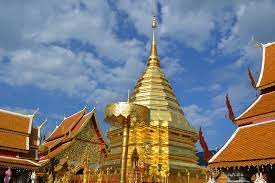
Hal yang Menyenangkan di Chiang Mai Thailand
Hal yang Menyenangkan di Chiang Mai Thailand – Sementara banyak pelancong pergi ke Thailand untuk menikmati kehidupan kota besar di Bangkok dan pulau-pulaunya yang indah, ada juga tempat yang tidak boleh dilewatkan di utara!
Hal yang Menyenangkan di Chiang Mai Thailand
openchiangmai.com – Berpusat di sekitar tembok kuno Kota Tua Chiang Mai, kota ini penuh dengan kuil, makanan lokal yang luar biasa, dan pasar malam yang tak ada habisnya. Bergabunglah dengan kami untuk beberapa hal favorit kami untuk dilakukan di Chiang Mai Thailand dan temukan semua yang membuatnya istimewa!
Untungnya, sangat mudah untuk mencapai Chiang Mai Thailand dari mana saja di Asia Tenggara. Penerbangan internasional berangkat dari banyak kota besar dan penerbangan domestik berangkat setiap hari dari Bangkok. Gunakan Skyscanner dan cari berdasarkan tampilan bulan untuk menemukan hari termurah untuk bepergian!
Baca Juga : Hotel Terbaik di Chiang Mai Yang Paling Ramai Pengunjung
Anda bahkan dapat naik pesawat dari beberapa pulau besar seperti Phuket dan Koh Samui ke Bandara Internasional Chiang Mai. Ingatlah bahwa Anda mungkin harus mentransfer melalui ibu kota terlebih dahulu.
Jika Anda mencari cara unik untuk sampai ke Chiang Mai, naiklah kereta malam dari Bangkok! Kami merekomendasikan untuk memesan kabin tidur kelas satu jika memungkinkan karena ini adalah pilihan paling nyaman untuk perjalanan 12+ jam.
1. Jelajahi Kota Tua Chiang Mai
Segera setelah Anda tiba di kota, Anda akan melihat bahwa banyak hal terbaik yang dapat dilakukan di Chiang Mai berada di dalam atau di sekitar Kota Tuanya yang terkenal. Tembok yang mengelilingi bagian ini berusia lebih dari 700 tahun yang membuatnya terasa seperti tempat lain di Thailand.
Salah satu hal yang membuat Kota Tua Chiang Mai begitu menarik adalah perpaduan antara atraksi modern dan kuno. Daerah ini penuh dengan kuil dan tradisi yang indah, sekaligus menjadi tuan rumah bagi hotel modern, restoran, dan kafe yang funky.
2. Kunjungi Kafe Chiang Mai
Seperti yang kami sebutkan di atas, Kota Tua Chiang Mai adalah rumah bagi banyak kafe yang menakjubkan. Sesuatu yang benar-benar menarik kami ke kota tua adalah bagaimana di setiap sudut tampaknya ada tempat yang berbeda dan unik untuk menikmati minuman pagi!
Dinding berwarna-warni dan dekorasi asli akan menyambut Anda untuk menikmati berbagai minuman. Kami senang memesan es kopi yang cocok untuk sore yang panas. Ada juga banyak teh, smoothie, jus, dan kelapa segar untuk dinikmati.
Anda akan senang mengetahui bahwa Anda tidak perlu membatasi diri di Kota Tua saat mencari kafe terbaik di Chiang Mai Thailand! Di bawah ini adalah beberapa favorit kami untuk dikunjungi pada kunjungan Anda.
3. Makan Khao Soi di Chiang Mai
Tidak mengherankan jika salah satu hal paling menyenangkan untuk dilakukan di Chiang Mai adalah makan! Thailand Utara memiliki reputasi memiliki makanan terbaik di seluruh Thailand, dan Chiang Mai adalah kiblat pecinta kuliner. Meskipun ada banyak hidangan yang luar biasa untuk dicicipi, jika kita harus memilih salah satunya adalah Khao Soi.
Hidangan mie telur ini dibuat dengan bahan dasar sup kari, mie renyah, dan daging sapi atau ayam. Di sampingnya, Anda akan diberi bawang bombay, acar kol, perasan jeruk nipis, dan segala jenis saus pedas yang berbeda.
Rasa Khao Soi hampir tak terlukiskan dan tidak seperti apa pun yang akan Anda rasakan di Thailand. Sangat bagus sehingga kami terus-menerus memburunya di bagian lain negara ini. Namun, utara adalah satu-satunya tempat kami dapat menemukan hidangan terkenal ini!
4. Berbelanja di Pasar Malam Chiang Mai
Chiang Mai Thailand adalah saat yang tepat di siang hari, tetapi kesenangan sesungguhnya dimulai di malam hari! Ada begitu banyak pasar malam yang terjadi di seluruh kota yang mungkin terasa seperti ada setiap hari. Namun, yang terbaik biasanya diadakan pada akhir pekan dan menerangi Chiang Mai.
Yang paling populer adalah Friday Walking Street tepat di luar tembok dan Pasar Malam Minggu yang melewati pusat Kota Tua Chiang Mai. Di sini Anda akan menemukan kios demi kios seni dan kerajinan, perhiasan, dan pakaian. Ada juga banyak makanan murah yang tersedia di seluruh pasar termasuk seluruh area food court.
5. Tur ke Kuil Chiang Mai
Sekarang Anda tahu salah satu hal terbaik yang dapat dilakukan di Chiang Mai adalah menjelajahi banyak kuil. Dan dengan lebih dari 300 tersebar di sekitar Kota Tua dan sekitarnya, tidak heran orang-orang bepergian dari segala penjuru untuk melihatnya!
Pastikan untuk menghormati kunjungan Anda dan berpakaian dengan tepat. Thailand adalah lebih dari 95% Buddha dan Kuil Chiang Mai adalah tempat yang sangat suci. Berikut adalah beberapa kuil yang harus dikunjungi untuk dilihat.
6. Mendaki Gunung Doi Suthep
Melihat ke atas dari sebagian besar tempat di Kota Tua Chiang Mai, Anda akan melihat Doi Suthep yang sangat besar menjulang di atas Anda. Jika Anda seperti kami, tidak lama kemudian Anda akan mulai bertanya-tanya bagaimana cara mencapai puncak gunung tertinggi ke-3 di Thailand!
Tidak seperti banyak tempat wisata di sekitar Kota Tua Chiang Mai, Anda tidak akan bisa sampai ke sana begitu saja dengan menyewa tuk tuk atau taksi Grab. Puncak Gunung Doi Suthep berjarak 45 menit dari pusat kota. Untuk sampai ke sana Anda harus menyewa mobil, sepeda motor, atau menyewa sopir pribadi.
Di bagian atas, Anda akan menemukan kuil Wat Phra That Doi Suthep, serta pemandangan Chiang Mai yang menakjubkan. Anda bahkan dapat melakukan hiking atau bersepeda gunung dari sini jika Anda punya waktu!
7. Ambil Minuman di Bar Atap Chiang Mai
Kafe-kafe di Kota Tua Chiang Mai sangat menyenangkan, tetapi jika Anda ingin pemandangan yang lebih baik, Anda harus pergi ke atap! Khususnya saat matahari terbenam, kami senang menemukan bar atap yang bagus dan minum bir dingin.
Tidak ada cara yang lebih baik untuk mengakhiri hari Anda setelah mengalami hal-hal terbaik untuk dilakukan di Chiang Mai! Jika Anda berada di Kota Tua Chiang Mai, pastikan untuk mengunjungi Tha Phae Grill untuk melihat pemandangan pasar malam dan pegunungan yang menakjubkan di kejauhan.
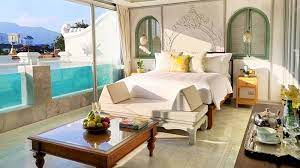
Hotel Terbaik di Chiang Mai Yang Paling Ramai Pengunjung
Hotel Terbaik di Chiang Mai Yang Paling Ramai Pengunjung – Anda sekarang dapat mengunjungi Chiang Mai dengan Perjalanan Budaya dengan bergabung dalam petualangan grup kecil Thailand Utara kami yang dikurasi secara khusus , dipimpin oleh orang dalam lokal kami.
Hotel Terbaik di Chiang Mai Yang Paling Ramai Pengunjung
openchiangmai.com – Chiang Mai mungkin merupakan kota kedua di Thailand, tetapi berada di liga tersendiri. Dengan kuil-kuil yang berkilauan, budaya kafe yang santai, dan beberapa masakan terbaik di Thailand Utara, tempat ini sangat populer di kalangan pelajar, pengembara digital, dan pelancong yang lelah di pantai yang mencari istirahat kota yang dipenuhi budaya di iklim yang lebih dingin.
BED Phrasingh Hotel
Smack bang di tengah kota tua, BED Phrasingh Hotel memiliki kamar rapi dengan balkon kecil dan kolam renang kecil yang teduh. Kuil abad ke-14 yang bernama sama, Wat Phra Singh, berada sangat dekat; pinjam sepeda dari hotel untuk menikmati pusat bersejarah di suatu sore sebelum bertualang di luar batas kuno untuk melihat-lihat barang dagangan di Pasar Malam Chiang Mai.
X2 Resor Tepi Sungai Chiang Mai
Tidak seorang pun membutuhkan cokelat timbul dengan nama mereka – tetapi hal itu tentu menghidupkan proses check-in di X2 Chiang Mai Riverside Resort, dan memberi petunjuk tentang seberapa personalisasi layanan Anda selama Anda menginap.
Baca Juga : Memiliki banyak kuil religius,situs budaya dan makanan enak (Chiang Mai)
Anda setengah jam berjalan kaki dari kota tua, tetapi beberapa tamu jarang pergi, malah memilih untuk berkayak di sepanjang Sungai Ping, bersantai di bawah pohon asam berusia 100 tahun, atau berenang di kolam renang tanpa batas di puncak gedung.
Resor Butik Romantis Na Nirand
Kamar dan vila di tepi sungai Na Nirand dibangun dengan gaya kolonial Lanna, dengan banyak perabotan kayu jati gelap, rotan, dan tekstil lokal berwarna-warni. Rumah jati asli yang telah dipugar memiliki area lounge dan spa kecil. Habiskan sore hari di kolam tengah, yang menghadap ke pohon hujan raksasa, sebelum berjalan-jalan ke kota untuk makan malam di Night Bazaar terdekat.
Akyra Manor Chiang Mai
Akyra Manor adalah butik berseni di lingkungan Nimman yang trendi di Chiang Mai, di mana jalan-jalan dipenuhi dengan butik indie, kedai kopi, dan truk makanan jalanan. Kamar Deluxe memiliki pancuran hujan dan tempat tidur mewah, sedangkan suite memiliki bak berendam luar ruangan. Kolam renang dan bar di puncak gedung dapat membuat Anda sibuk selama berhari-hari, tetapi hemat waktu untuk bersepeda, berjalan kaki, atau naik taksi ke Wat Phra That Doi Suthep, sebuah kuil indah di puncak gunung yang menghadap ke kota.
Villa Sanpakoi
Terletak tepat di sebelah timur Sungai Ping di perumahan Wat Ket, Villa Sanpakoi adalah tempat peristirahatan yang tenang dengan kamar sederhana, kolam air asin di halaman, dan sepeda gratis – ideal untuk bersepeda ke kota tua. Jangan lewatkan jalan-jalan di sekitar kuil Buddha kuno, Wat Ket Karam, untuk melihat hiasan atap berlapis dan pameran kecil tentang sejarah Chiang Mai.
Mulai Lanna
Terletak di pusat Chang Khlan Road, Amata Lanna Hotel memiliki bangunan kayu jati dengan gaya tradisional Lanna. Ini adalah pengaturan yang tenang, di mana perlindungan ditemukan di kamar yang nyaman atau di tepi kolam yang mempesona di dek berjemur. Selain itu, ada sejumlah perawatan relaksasi yang ditawarkan, mulai dari pijat ala Thai hingga aromaterapi. Dan Amata Lanna berada dalam jarak berjalan kaki dari tempat wisata utama.
Dara Devi
Terletak di luar tembok pusat kota, Dhara Devi lebih terasa seperti sebuah desa kecil daripada sebuah hotel. Resor mewah ini dirancang sebagai kota mandiri, menawarkan arsitektur dan pemandangan yang menakjubkan. Pilih dari vila dua lantai, suite bergaya kolonial, atau hunian khas. Selain kamar yang megah, Dhara Devi adalah rumah bagi beberapa restoran terbaik di kota. Yang paling menonjol adalah Falang Sed (artinya bahasa Prancis dalam bahasa Thailand), yang memberikan pengalaman bersantap yang tak terlupakan.
Rachamankha
Arsitektur Rachamankha terinspirasi oleh periode Lanna (baik dalam teknik bangunan dan warisan desain), namun lebih mengingatkan pada halaman rumah abad pertengahan Cina dalam tata letaknya. Kamar dan suite dibumbui dengan barang antik dari seluruh dunia, tetapi desainnya relatif sederhana – dan tentu saja merupakan tempat yang menenangkan. Mencari kebahagiaan yang lebih santai? Pergilah ke perpustakaan yang luar biasa, rumah bagi lebih dari 2.000 buku. Semuanya terletak di sebelah Wat Phra Singh, salah satu kuil paling terkenal di Chiang Mai.
Hotel Sala Lanna
Dengan pemandangan Sungai Mae Ping yang indah, Sala Lanna adalah salah satu hotel butik paling memesona di Chiang Mai, menggabungkan elemen minimalis dengan pesona arsitektur Thailand. Kolam renang di puncak gedung dan bar koktail membuat pengalaman yang benar-benar santai, dan beragam anggur yang tersedia di sini menarik non-tamu ke hotel. Dua restoran menawarkan masakan Thailand dengan rasa otentik.
Puripunn Baby Grand Boutique Hotel
Chiang Mai memiliki sejumlah hotel dengan arsitektur yang memukau, tetapi hanya sedikit yang semegah Puripunn Baby Grand Hotel, terletak di zona warisan dan dikelilingi oleh konsentrasi bangunan kayu antik terbesar di kota ini. Gaya hotel mengikuti tradisi Lanna, mencerminkan kekayaan sejarah Thailand utara. Hotel ini memiliki 30 kamar canggih, menawarkan pengalaman yang dipersonalisasi hanya beberapa menit dari tempat wisata utama dan pusat kota tua.
Siripanna Villa Hotel
Gaya Lanna berlaku di resor hotel yang elegan di Chiang Mai ini, yang tersebar di area yang luas dan memiliki taman yang menawan. Terletak di tengah habitat alami, Siripanna Villa memiliki daya tarik tersendiri, selain juga menawarkan spa dan restoran berkualitas yang menyajikan hidangan lokal. Itu memiliki semua fasilitas yang diinginkan dan kamar-kamarnya adalah beberapa yang paling elegan dan nyaman di kota.
Hotel Desa Rimping
Terletak tepat di luar tembok kota tua Chiang Mai, Desa Rimping menawarkan tempat peristirahatan yang sempurna dari jalan-jalan yang ramai, tetapi tetap berada dalam jarak berjalan kaki dari tempat-tempat wisata. Mengikuti tren menggabungkan elemen lokal otentik dengan sentuhan modern – 24 kamar memiliki desain klasik dengan tempat tidur linen putih dan fitur kayu gelap. Kolam renang yang luas memungkinkan Anda untuk mendinginkan diri atau bersantai setelah berjam-jam berjalan-jalan. Namun, puncak kejayaan Desa Rimping adalah staf yang penuh perhatian, yang membawa keramahan Thailand ke tingkat yang sama sekali baru. Jangan ragu untuk meminta rekomendasi: mereka tahu tempat terbaik di kota.
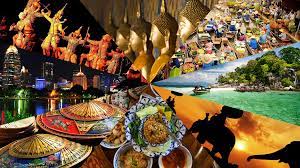
Memiliki banyak kuil religius,situs budaya dan makanan enak (Chiang Mai)
Memiliki banyak kuil religius,situs budaya dan makanan enak (Chiang Mai) – Chiang Mai adalah kota terbesar dan terpenting di Thailand utara.Kota ini dikenal sebagai salah satu ibu kota budaya dan agama utama di negara ini, memiliki banyak kuil religius dan situs budaya.Tapi kau dan aku, kita lebih tertarik pada makanannya… kan!?
Memiliki banyak kuil religius,situs budaya dan makanan enak (Chiang Mai)
openchiangmai.com – Chiang Mai jauh lebih kecil dari Bangkok,tapi masih cukup besar sampai-sampai ada banyak restoran lezat untuk dicoba dan makanan yang cukup untuk membuat Anda senang makan untuk waktu yang lama.
Di Chiang Mai, Anda akan menemukan satu set makanan Thailand utara (masakan Lanna) yang akan menggugah selera Anda dengan cara baru dan menarik, dan serangkaian hidangan yang sangat berbeda dari makanan Thailand selatan, makanan Thailand tengah, atau makanan Isan.
Tempat menginap di Chiang Mai:
Meskipun kami berbasis di Bangkok, saya dan istri sering mengunjungi Chiang Mai. Kami telah tinggal di beberapa tempat yang berbeda, tetapi salah satu tempat favorit kami untuk menginap adalah Sunshine House , sebuah hotel flash-packer bergaya modern. Ini bersih, nyaman, dan terletak di lingkungan di luar tembok kota tua Chiang Mai.
Untuk hotel kelas atas, lihat Anantara Chiang Mai Resort yang indah , terletak di sepanjang sungai.Restoran Terbaik di Chiang Mai.Di bawah ini tercantum beberapa restoran yang terletak di pusat kota yang menurut saya menyajikan beberapa makanan terbaik di Chiang Mai. Jika Anda menyukai makanan Thailand, jangan lewatkan tempat ini.
Khao Soi Khun Yai (ข้าวซอยคุณยาย)
Khao soi (ข้าวซอย) adalah hidangan Thailand utara yang sangat terkenal yang mencakup mi kuning telur yang disajikan dalam kari santan. Anda akan menemukan khao soi (ข้าวซอย) di semua tempat di Chiang Mai, namun, sejujurnya saya memiliki banyak mangkuk khao soi yang hambar dan manis.
Baca Juga : Hal Luar Biasa yang Dapat Dilakukan di Chiang Mai,Thailand
Khao Soi Khun Yai (ข้าวซอยคุณยาย) adalah restoran kecil terbuka, yang menyajikan apa yang menurut saya bisa menjadi semangkuk khao soi terbaik di Chiang Mai. Karinya berwarna merah kecokelatan, dikemas dengan rempah-rempah, tidak terlalu manis, dan sangat beraroma. Saya suka menambah rasa dengan tambahan cabai panggang, acar sawi, dan bawang merah, yang disediakan dengan semangkuk khao soi.
Tong Tem Toh (ต๋อง เต็ม โต๊ะ)
Salah satu alasan terbaik untuk mengunjungi Chiang Mai adalah untuk makan makanan Thailand utara (masakan Lanna). Ketika saya pertama kali masuk ke Tong Tem Toh (ต๋อง เต็ม โต๊ะ), saya tidak berpikir itu akan begitu baik, itu lebih terlihat seperti restoran bergaya trendi Thailand tempat memodifikasi makanan agar sesuai dengan tren.
Saya benar-benar terkejut bahwa masakan Thailand utara yang mereka sajikan sangat bersemangat, pedas, dan sangat lezat. Saya pasti akan merekomendasikan Tong Tem Toh (ต๋อง เต็ม โต๊ะ) sebagai salah satu restoran terbaik di Chiang Mai untuk makanan Thailand utara di lingkungan yang bersih dan santai.
Khao Kha Moo Chang Phueak (Kaki Babi Chang Phueak dengan Nasi)
Apakah Anda pecinta daging babi? Anda benar-benar harus menjadikan makan di Khao Kha Moo Chang Phueak (Kaki Babi Chang Phueak dengan Nasi) sebagai prioritas dalam daftar Anda saat mengunjungi Chiang Mai . Khao Kha Moo adalah kaki babi (atau buku jari) ala Thailand yang direbus perlahan dengan saus manis yang dikemas dengan lima rasa bumbu Cina.
Daging babinya sangat empuk, dan disajikan di atas sepiring nasi. Saat Anda melihat wanita itu mengenakan topi koboi, disajikan dari panci raksasa berisi bagian daging babi yang menggelegak, Anda akan tahu bahwa Anda berada di Khao Kha Moo Chang Phueak (Kaki Babi Chang Phueak dengan Nasi).
Suki Koka (สุกี้ โคคา)
Suki Koka (สุกี้ โคคา) didirikan tepat di sebelah Khao Kha Moo Chang Phueak (ข้าวขา หมู ช้างเผือก) setiap malam, jadi Anda mungkin berpikir untuk menggabungkan keduanya menjadi satu kali makan. Anda dapat memesan suki Thailand baik versi kering atau sup, tapi saya penggemar berat versi kering mereka, di mana mereka menumis segenggam daging babi dengan mie kaca dan seikat besar kubis napa dan akhirnya telur. Suki mereka disajikan dengan saus tajam yang memiliki aroma minyak wijen yang enak (tidak khas untuk masakan Thailand). Saya penggemar berat suki mereka.
Kiat Ocha (Kiat Ocha)
Kiat Ocha (Kiat Ocha) adalah favorit lama dan salah satu restoran paling terkenal di Chiang Mai, baik untuk penduduk setempat maupun Thailand dari Bangkok. Mereka melayani khao man gai (Kao Man Gai), yang merupakan hidangan ayam dan nasi yang sedikit membosankan, tetapi mereka berhasil membuatnya dengan baik; Nasinya harum, dan ayamnya dimasak dengan sempurna. Saya juga penggemar berat saus mereka, dengan jahe dan cabai. , jika Anda makan di Kiat Ocha (Kiat Ocha) jangan lewatkan sate babi mereka, yang luar biasa.
SP Chicken (SP ไก่ย่าง)
SP Chicken (SP ไก่ย่าง) adalah restoran bergaya Isan yang terletak di jantung kota tua Chiang Mai. Hal utama yang menjadi spesialisasi mereka adalah panggang, atau lebih seperti ayam gaya rotisserie, yang akan langsung Anda lihat di depan restoran, berputar dengan keindahan murni.
Pada awalnya saya pikir ayamnya kecil, tetapi ketika saya mencicipinya, saya tahu mereka melakukan segalanya dengan benar untuk ayam bakar – rasanya juicy dan beraroma sampai ke tulang. Varietas som tam (ส้มตำ) yang berbeda dan hidangan Isan lainnya juga luar biasa di SP Chicken (SP ไก่ย่าง).
Khao Soi Islam (Restoran Khao Soi Islami)
Khao Soi Islam (Restoran Khao Soi Islami), seperti yang bisa Anda tebak dari namanya, menyajikan hidangan khao soi (Khao Soi) khas Thailand utara, dan semua yang mereka sajikan halal. khao soi (Khao Soi) mereka baik-baik saja, tetapi sedikit di sisi yang ringan.
Yang benar-benar membuat saya bahagia adalah khao mok neua (Beef Biryani) versi mereka, atau nasi biryani daging sapi ala Thailand. Nasinya dibumbui dengan sempurna, dan daging sapi empuk dan beraroma Jika Anda berada di Chiang Mai dan menyukai khao soi (Khao Soi) pasti mencobanya di restoran Khao Soi Islam (Khao Soi Islam), tetapi juga jangan lewatkan biryani mereka.
Huen Phen (Huen Phen)
Huen Phen (Huen Phen) adalah restoran yang sudah lama berdiri di Chiang Mai yang menyajikan makanan utama Thailand utara, atau masakan Lanna. Sebagian besar hidangan di menu mereka telah disiapkan sebelumnya dan disajikan dengan gaya kari Thailand. Saya suka aeb pla (Aeb Pla), kue ikan yang dicampur dengan rempah-rempah dan dipanggang dalam daun pisang. Juga tam kanun (Tam Kanun), atau salad nangka muda, enak. Banyak hidangannya sedikit berminyak, tetapi ini adalah tempat yang bagus untuk mencoba makanan Thailand utara dengan harga terjangkau.
Loong Thai (Lung Thai Khao Kaeng (Phetchaburi)
Saya tidak berencana untuk makan di restoran kari Thailand utara lokal Chiang Mai ini, tetapi ketika saya menemukan Loong Thai (Lung Thai Khao Kaeng (Phetchaburi), saya tahu itu adalah tempat Saya perlu mencoba. Izinkan saya memulai dengan mengatakan, makanannya sangat pedas, yang saya maksud adalah cabai pedas PANAS di sini.
Salah satu hidangan terpopuler mereka adalah kodok cabai Thailand, potongan kodok yang digoreng dengan cabai pekat dan rempah-rempah lainnya – itu luar biasa Mereka menyajikan khao gaeng, yang berarti nasi dan kari, jadi pada dasarnya Anda hanya mendapatkan sepiring nasi dan dapat menunjukkan hidangan apa pun yang terlihat enak.
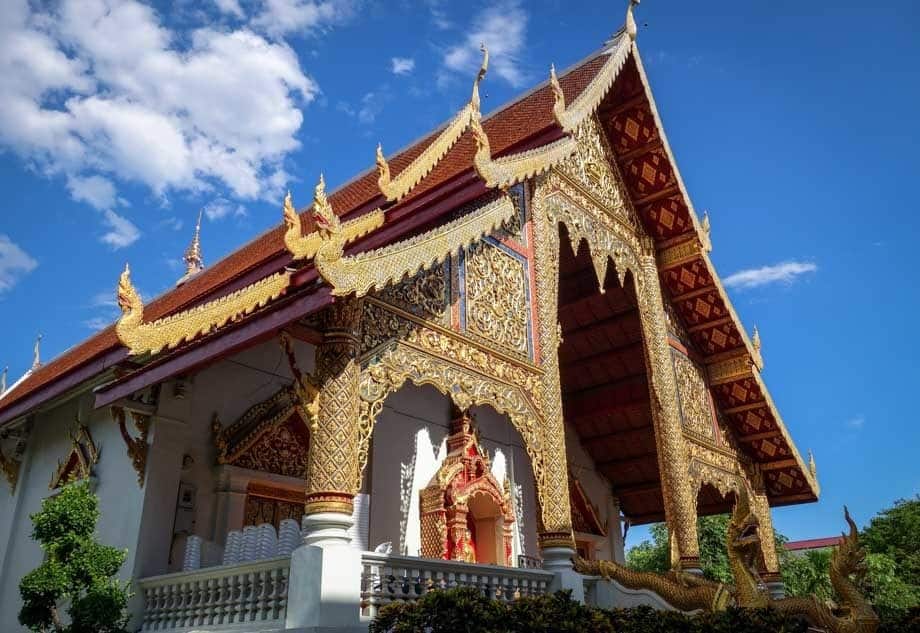
Hal Luar Biasa yang Dapat Dilakukan di Chiang Mai, Thailand
Hal Luar Biasa yang Dapat Dilakukan di Chiang Mai,Thailand – Saat Anda mencari hal terbaik untuk dilakukan di Chiang Mai, Thailand, Anda tidak dapat melewati 12 atraksi dan aktivitas teratas ini. Anda akan kagum dengan semua pilihan yang harus dilakukan di Chiang Mai!
Hal Luar Biasa yang Dapat Dilakukan di Chiang Mai,Thailand
openchiangmai.com – Dari pantai kelas dunia di Selatan hingga hutan pegunungan di Utara, Thailand benar-benar memiliki sesuatu untuk semua orang.Sementara Bangkok adalah ibu kotanya yang ramai, utara adalah jantung budaya dan kreativitas, dan ada ratusan hal yang dapat dilakukan di Chiang Mai.
Lihat hal-hal terbaik di Chiang Mai, seperti kuil Wat Phra That Doi Suthep dan Wat Chedi Luang atau kunjungi taman nasional seperti Doi Inthanon atau Doi Suthep-Pui.Tetap sibuk dengan pasar sibuk Chiang Mai dan makanan jalanan di kota tua, bersantai dengan meditasi atau pijat ala Thailand, atau bahkan melakukan perjalanan sehari ke Chiang Rai atau ke beberapa pemandangan terindah di Thailand.
Anda dapat dengan mudah menghabiskan satu bulan (atau lebih) di Thailand Utara, menjadikan Chiang Mai basis untuk eksplorasi.
Dengan pemandangan restoran dan kafe terbaik di negara ini, kehidupan malam yang luar biasa, kehadiran umat Buddha yang kuat, dan aktivitas yang cukup untuk mengisi satu tahun kalender, pasti tidak ada kekurangan hal yang dapat dilakukan di Chiang Mai, Thailand!
Baca Juga : 10 Tempat Wisata Untuk Mengisi Liburan Anda di Chiang Mai
Ini benar-benar ibu kota budaya Thailand, dan tidak diragukan lagi Anda akan jatuh cinta padanya pada kunjungan Anda berikutnya. Terbaik dari semua itu sangat terjangkau dibandingkan dengan selatan negara.
Ada begitu banyak tempat untuk dikunjungi di Chiang Mai, dan setiap hari kami menemukan lebih banyak hal untuk dilakukan! Jika Anda ingin tahu apa yang harus dilakukan di Chiang Mai, baca artikel ini dan kunjungi kota itu sendiri!
1) Mengunjungi Taman Alam Gajah
Sayangnya, Thailand memiliki sejarah penyiksaan hewan untuk membantu meningkatkan ekonomi pariwisatanya. Kegiatan seperti menunggang gajah atau mengunjungi harimau yang dibius di banyak kuil hanya menambah kekejaman ini dan harus dihindari dengan cara apa pun.
Namun di Chiang Mai, ada satu suaka yang didedikasikan untuk pendidikan dan rehabilitasi. Elephant Nature Park adalah pusat penyelamatan gajah yang telah disalahgunakan oleh industri pariwisata selama beberapa dekade.Di sini Anda dapat mengunjungi gajah di lingkungan alaminya atau menjadi sukarelawan di Elephant Nature Park untuk membantu di sekitar cagar alam.
Mengendarai gajah dilarang; sebaliknya, fokusnya adalah merawat dan melindungi makhluk cantik ini. Pasti salah satu hal terbaik untuk dilakukan di Chiang Mai.Taman Alam Gajah juga merupakan pilihan termahal untuk mengunjungi gajah di Chiang Mai, tetapi itu karena mereka adalah perusahaan terbaik mutlak di kota.
2) Nikmati Adegan Kafe
Oke, kami mengakuinya – kami sangat menyukai kota dengan pemandangan kafe yang bagus. Dan di Thailand hanya sedikit tempat yang menawarkan kesenangan menikmati kopi seperti yang dilakukan Chiang Mai.
Karena kami bekerja online, kami menyukai kafe yang enak dengan kopi yang enak, pengaturan yang nyaman, musik yang funky, dan wifi yang cepat.Setelah pagi yang luar biasa mencari semua atraksi Chiang Mai, kami sering menemukan diri kami di salah satu kafe unik untuk menghabiskan sore hari.
Favorit kami adalah Good Morning Chiang Mai dan Bird’s Nest Cafe, tetapi Anda bisa menghabiskan waktu berminggu-minggu berpindah dari satu tempat ke tempat lain dan tidak pernah bosan.Kafe-kafe benar-benar hebat dan salah satu hal terbaik untuk dilakukan di Chiang Mai.
3) Naik Putaran Mae Hong Son
Oke, ini tidak persis di Chiang Mai, tetapi perjalanan ke Thailand Utara tidak akan lengkap tanpa menyewa skuter atau sepeda motor dan mengendarai sepeda empat hari yang luar biasa ini.
Mulai dari Chiang Mai, Anda menyelesaikan sirkuit, bermalam di Mae Sariang, Mae Hong Son dan mencari keindahan di Pai, sebelum kembali ke kota.
Dikenal sebagai salah satu loop sepeda motor terbaik di Asia Tenggara, dan setelah kami menghabiskan 10 bulan mengendarai dua sepeda motor sejauh 15.000 km di sekitar wilayah tersebut, kami dapat dengan jujur setuju bahwa itu layak untuk dilakukan.
Ada banyak hal yang bisa dilihat dan dilakukan di sepanjang jalan, dan yang pertama adalah pemandangan gunung yang sensasional. Pastikan kamera perjalanan Anda terisi daya karena ini akan sangat mengejutkan Anda.
Ada juga banyak jalan memutar keren yang bisa Anda ambil yang akan membawa Anda ke beberapa suku perbukitan yang unik. Orang-orang di sana sangat ramah dan bersahabat, tetapi pastikan Anda berpakaian sopan dan menunjukkan rasa hormat kepada mereka.
Dan jika suhu semakin baik dari Anda, ada banyak air terjun yang indah untuk disinggahi dan berenang sebentar.
Loop Mae Hong Son mungkin ada di sana dengan Chiang Rai sebagai salah satu perjalanan terbaik dari Chiang Mai. Banyak pelancong mengunjungi Chiang Rai sesudahnya, tetapi hemat waktu untuk Mae Hong Son Loop, Anda pasti tidak akan menyesalinya!
4) Habiskan Waktu Dengan Lokal
Kami cukup beruntung untuk menghabiskan waktu berbulan-bulan backpacking di Thailand, dan satu hal yang tidak pernah kami bosan adalah budaya masyarakat Thailand yang ramah dan murah hati.
Saat Anda berada di negara tersebut, Anda pasti akan memiliki interaksi luar biasa yang tak terhitung jumlahnya yang akan membantu meyakinkan Anda bahwa Thailand mungkin saja negara terbaik di dunia.Jika Anda berada di kota dan dengan jadwal terbatas, ada banyak hal yang dapat dilakukan dengan penduduk lokal di Chiang Mai, seperti trekking dan kelas memasak.
Pengalaman favorit mutlak kami dengan penduduk setempat adalah kelas memasak Thailand. Kami melakukan ini dan benar-benar menyukainya.
5) Jelajahi Kuil Budha
Chiang Mai penuh dengan kuil Buddha yang menakjubkan, dikenal sebagai ‘wats’, dan sebagian besar terbuka untuk pengunjung. Sementara Wat Phra That Doi Suthep mungkin yang paling indah, yang ada di kota juga tidak boleh dilewatkan.Bahkan jika Anda menganggap diri Anda spiritual, kuil harus dilihat di Chiang Mai!
Kunjungi Wat Phra Singh, Wat Pan Tao, Wat Chedi Luang, dan Wat Umong. Salah satu hal unik yang dapat dilakukan di Chiang Mai adalah menghadiri obrolan biksu.Pada dasarnya, di sinilah Anda dapat mengunjungi kuil dan berbicara dengan para biksu tentang agama Buddha, kehidupan di kuil, atau apa saja yang dapat Anda pikirkan.
Mereka seringkali sangat bersemangat untuk melatih bahasa Inggris mereka, sehingga saling menguntungkan. Lihatlah poster-poster yang terpampang di sekitar kuil untuk melihat kapan obrolan biksu reguler berlangsung.Para biksu bahkan mungkin memberi Anda lebih banyak tip tentang apa yang harus dilakukan di Chiang Mai!
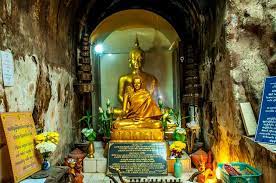
10 Tempat Wisata Untuk Mengisi Liburan Anda di Chiang Mai
10 Tempat Wisata Untuk Mengisi Liburan Anda di Chiang Mai – Di jantung Thailand Utara adalah kota Chiang Mai. Sementara Chiang Mai adalah kota besar, dan memiliki populasi yang beragam, ia masih memiliki banyak hutan belantara yang masih asli dan pemandangan yang indah. Itu sebabnya Chiang Mai sering disebut sebagai Mawar dari Utara.
10 Tempat Wisata Untuk Mengisi Liburan Anda di Chiang Mai
openchiangmai.com – Meskipun sering digunakan sebagai basis untuk menjelajahi daerah sekitar, mereka yang mengunjungi Chiang Mai juga dapat mengunjungi kuil kuno yang luar biasa, melihat gajah di alam liar, menjelajahi lanskap kuliner lokal, dan bahkan berbelanja di pasar malam yang ramai. Gambaran tentang tempat-tempat wisata terbaik di Chiang Mai:
10. Wat Umong
Tidak ada kekurangan kuil spektakuler di Chiang Mai, tetapi Wat Umong menonjol sebagai salah satu yang paling menarik. Berusia lebih dari 700 tahun, Wat Umong konon dibangun untuk seorang biksu dengan reputasi berjalan-jalan di hutan. Untuk menjaga agar biksu gila itu tidak berkeliaran, beberapa terowongan seperti labirin dibangun. Kuil berada di luar kota, memberikan kesan yang lebih terpencil. Yang juga perlu diperhatikan adalah stupa besar di pintu masuk Wat Umong dan kolam indah tempat pengunjung dapat memberi makan kura-kura.
9. Wat Phan Tao
Wat Phan Tao yang sangat besar seluruhnya terbuat dari kayu, dengan panel kayu jati yang cantik menjadi sorotan dari struktur arsitektur ini. Terletak di dalam pusat kota Chiang Mai yang bertembok, Wat Phan Tao elegan dan detail.
Atapnya membanggakan finial emas yang dimaksudkan untuk mewakili ular, motif bunga Lanna berulang kali diukir pada fasad kayu jati dan tiang kayu yang besar dan kokoh menopang balok kayu yang sama mengesankannya di atas kepala. Di bagian belakang terdapat kolam dan patung Buddha di bawah pohon Bodhi. Bendera jingga cerah dan warna jubah biksu yang berani hanya memperkuat daya tarik visual dari kuil yang luar biasa ini.
8. Royal Park Rajapruek
Rajapruek, atau Ratchaphruek, adalah nama bunga nasional Thailand. Ini membanggakan bunga kuning kecil tapi semarak, dan kadang-kadang dikenal sebagai pohon pancuran emas. Royal Park Rajapruek diberi nama untuk bunga mekar yang cantik ini, dan merupakan ruang publik tempat pengunjung dapat mengagumi koleksi taman dan kolam yang menakjubkan.
Tamannya besar, tetapi ada trem yang dapat mengantar pengunjung berkeliling taman untuk melihat ruang sebanyak mungkin. Area ini merupakan tempat yang populer untuk berjalan-jalan sambil menikmati pemandangan indah serta piknik saat cuaca cerah.
7. Talat Warorot
Tepat di sebelah Sungai Ping terdapat Talat Warorot, salah satu pasar terbesar dan tertua di seluruh Chiang Mai. Pasar adalah perpaduan unik antara penjual yang menarik bagi wisatawan dan penduduk setempat. Stand menawarkan barang-barang seperti jaring yang diikat tangan untuk memancing, kantong daun teh kering, dan sosis pedas Thailand.
Selain kios-kios yang lebih permanen, para pedagang menyusuri jalan setapak melalui pasar dengan gerobak beroda, menyebutkan apa saja yang dijual di sepanjang jalan. Talat Warorot juga merupakan salah satu dari sedikit tempat di Chiang Mai di mana pembeli masih dapat menurunkan becak untuk dinaiki.
6. Wat Phra Singh
Kuil Chiang Mai yang paling terkenal adalah Wat Phra Singh. Bertempat di dalam kuil adalah daya tariknya yang paling terkenal: Patung Buddha ikonik yang disebut Phra Buddha Sihing. Legenda mengatakan bahwa patung itu sendiri dibawa ke Chiang Mai dari Sri Lanka.
Wat Phra Singh berasal dari abad ke-14, dan dibangun oleh Raja Pha Yu sebagai makam untuk ayahnya. Kuil ini juga menawarkan mural yang sangat detail, banyak di antaranya menggambarkan pemandangan dari sejarah Thailand. Para biksu Buddha masih berkumpul, berlatih, dan tinggal di dalam Wat Phra Singh, jadi penghormatan agama harus diberikan.
5. Taman Alam Gajah
Chiang Mai terkenal dengan gajahnya, tetapi tidak semua atraksi gajah mengutamakan kepentingan hewan. Bagi pecinta hewan, ada solusi yang tepat: Taman Alam Gajah. Terletak di utara kota, Taman Alam Gajah adalah tempat perlindungan bagi gajah yang diselamatkan.
Baca Juga : Restauran Pizza terbaik di Chiang Mai
Pengunjung dapat lebih dekat dan pribadi dengan gajah, menyaksikan mereka makan, mencuci, dan bermain di habitat liar yang alami. Pengunjung dapat datang untuk mengunjungi tempat tersebut pada hari itu, tetapi ada juga pilihan untuk bermalam.
4. Wat Chedi Luang
Meskipun tidak seindah atau semegah beberapa kuil lain di kota ini, Wat Chedi Luang tetap menjadi perhentian bersejarah. Kuil bertingkat yang menjulang tinggi ini berasal dari abad ke-15 dan dibangun dengan gaya tradisional Lanna. Pada satu titik, kuil itu adalah bangunan terbesar di Chiang Mai, tetapi kerusakan selama berabad-abad akibat angin topan dan kebakaran menyebabkan kehancuran yang luas.
Syukurlah, pemugaran serius telah berlangsung selama 30 tahun, dan pengunjung kini dapat mengagumi patung Buddha bernama Phra Chao Attarot dan menyaksikan ritual harian yang dilakukan oleh para biksu tepat di luar struktur kuil.
3. Kelas Memasak Thailand
Salah satu hiburan paling populer bagi para pelancong ke Chiang Mai adalah mengikuti kelas memasak Thailand. Ada lebih dari dua lusin tempat usaha di dalam kota yang memungkinkan untuk belajar memasak masakan lokal tradisional yang otentik.
Sebagian besar kelas akan berfokus secara khusus pada hidangan dari Thailand Utara, dan banyak lagi yang menekankan masakan vegetarian. Salah satu pilihan yang paling mencerahkan adalah memasak di rumah dengan penduduk lokal, atau berbelanja di pasar lokal untuk bahan-bahan segar. Hidangan yang populer untuk dibuat adalah khao soi, atau mi dengan kaldu merah pedas yang sering diberi topping ayam atau sapi.
2. Pasar Malam Chiang Mai
Tidak ada kekurangan pasar fantastis di Chiang Mai, tetapi Night Bazaar sejauh ini adalah yang paling terkenal. Tak heran, tempat ini juga menjadi salah satu tempat wisata paling populer di Chiang Mai. Saat matahari mulai terbenam, Night Bazaar menjadi hidup. Dari sekitar pukul 6 sore setiap malam hingga tengah malam, Night Bazaar dipenuhi oleh penduduk lokal dan turis yang menjelajahi berbagai kios.
Untuk oleh-oleh, tidak diragukan lagi ini adalah salah satu tempat teratas untuk berbelanja. Banyak penjual berbicara bahasa Inggris, dan sebagian besar bersedia untuk bernegosiasi tentang harga. Berbeloklah ke gang-gang yang lebih kecil di Night Bazaar untuk mendapatkan lebih banyak produk dan penjual lokal serta lebih sedikit turis.
1. Wat Phra That Doi Suthep
Apa yang membuat Wat Phra That Doi Suthep menjadi kuil yang mengesankan, dan harus dikunjungi, adalah lokasinya. Kuil ini ditemukan di gunung yang menghadap ke kota Chiang Mai, yang berarti memiliki sudut pandang terbaik di seluruh wilayah.
Tentu saja, lokasi bukan satu-satunya alasan untuk berkunjung. Wat Phra That Doi Suthep sangat dikenali berkat chedi atau stupa berlapis emasnya, yang terkadang terlihat dari kota di bawah pada hari yang cerah. Untuk mencapai kuil, pengunjung harus menaiki lebih dari 300 anak tangga di ketinggian atau memilih kereta gantung.
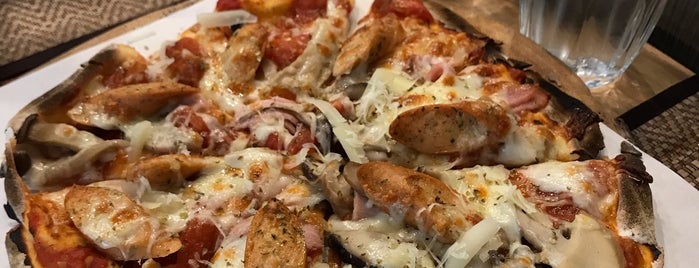
Restauran Pizza terbaik di Chiang Mai
Restauran Pizza terbaik di Chiang Mai – Tidak ada dari kita yang akan menyetujui daftar ini, seperti yang dapat dibuktikan oleh pertempuran online yang mengamuk dan berkelanjutan di banyak platform media sosial Chiang Mai karena para penggemar bersikeras bahwa kedai pizza favorit mereka adalah yang terbaik di kota.
Restauran Pizza terbaik di Chiang Mai
openchiangmai.com – Ada yang suka tebal, ada yang suka tipis; beberapa suka lembut, yang lain suka renyah – kita tidak akan bisa mencapai konsensus tentang ini. Jadi, mengingat staf Citylife telah makan di restoran Chiang Mai selama hampir tiga puluh tahun, dan telah berkemas untuk membuktikannya, kami hanya akan mengeluarkan daftar pizza favorit di kota dan berharap Anda juga setuju. bahwa jika bukan yang terbaik menurut standar Anda, maka pizza ini pasti layak untuk ditulis di rumah.
The Duke’s
Kami berani mengatakan bahwa pizza The Duke kemungkinan adalah pizza pengiriman rumah paling populer – dengan diskon dari rantai besar – di kota. Dan ini karena The Duke’s adalah tentang makanan yang menenangkan.
Pizza Duke secara konsisten berada di urutan teratas daftar ‘pizza terbaik’ di kota. Besar-besaran (pizza kecil mereka berukuran 14 “sedangkan yang besar berukuran keluarga 18”), setiap pizza penuh dengan topping berlimpah yang ditumpuk di atas adonan pizza yang lebih bergaya Chicago Amerika daripada Italia, meskipun jauh lebih tebal. mempertahankan gigitan ringan yang kita semua sukai.
Ada banyak pilihan pizza untuk memenuhi semua preferensi dengan semua orang tampaknya memiliki favorit mereka sendiri. Lihat beberapa pizza yang paling banyak dipesan di kantor kami: Italiano dengan bawang putih, peterseli, minyak oregano, salami, ham, mortadella, dan mozerella; scampi udang bawang putih; pecinta daging gemuk; peperoni ganda; dan vegetarian, masing-masing diisi dengan bahan-bahan yang lezat.
Menunya sangat banyak dan jika Anda tidak menyukai pizza, ada banyak pilihan, mulai dari makanan pembuka hingga makanan penutup – Oreo cheesecake siapa pun
Viva Aquila and Vay cafe
Pesaing pasti untuk salah satu pizza terbaik kota ini pastilah pizza Viva Aquila dan Vay Cafe. Biarkan kami meyakinkan Anda.
Jika Anda menyukai pizza Anda yang super tipis dengan kerak ala Italia dengan bagian tengah adonan yang lembut dan lembut serta tepian renyah yang lembut sambil diberi topping kemurahan hati tingkat Amerika, maka pizza ini pasti salah satu yang terbaik yang dapat Anda temukan di Selatan Mekong. .
Dengan kursi makan mewah yang nyaman menghadap ke danau bertepi teratai, dan angin sejuk menerpa rambut Anda, pesanlah jus segar, bir dingin, atau segelas anggur dingin yang menyegarkan sambil membaca menu yang dirancang untuk santapan santai sepanjang hari . Terlepas dari pasta, salad, dan beberapa hidangan favorit rumah, semuanya tentang pizza di sini.
Pilihan topping mulai dari caprese sederhana atau ayam BBQ hingga enam keju dekaden atau topping Aloha. Spesialisasi rumah adalah tujuan kami datang dan kami sangat merekomendasikan pizza klub yang mirip dengan sandwich klub tetapi dalam bentuk pizza!
Roket burrata Parma juga merupakan pizza yang menyegarkan dan menyenangkan dan bagi mereka yang menikmati sesuatu dengan sedikit lebih banyak gigitan, pasti memilih pizza seafood pedas atau bawang putih cabai ikan teri.
Chef Phubase telah membuat nama untuk dirinya sendiri dan pizzanya selama bertahun-tahun dan sekarang dia telah membuka restorannya sendiri, pizza tersebut dijamin menawarkan yang terbaik dari akumulasi pengalamannya.
Oasis Café & Toby’s Pizza
Oasis Café & Toby’s Pizza menyajikan menu pilihan bersantap sepanjang hari yang luar biasa mulai dari sarapan sehat hingga pasta mewah, makanan lezat yang baru dipanggang hingga sup hangat. Kafe itu sendiri adalah salah satu yang paling populer di kota, dan bukan hanya karena suasana hutannya, dengan tanaman pakis yang menetes, dedaunan tropis yang rimbun, semburan kabut, dan air yang menetes.
Duduk santai di salah satu kursi dan lounge yang nyaman dan pesan jus segar, kopi aromatik, atau segelas anggur dingin. Dan jika Anda seorang pecinta pizza, maka Anda akan disuguhi karena pizza Italia mereka yang renyah dan lembut dengan topping bahan-bahan segar dan berkualitas masing-masing tiba dengan lezat dan aromatik.
Pizza Toby dibuat dengan tangan dari awal dan dipanggang dalam oven berbahan bakar kayu yang indah yang dengan sendirinya merupakan desain yang menonjol. Ada favorit banyak orang seperti empat keju, yang datang dengan kebaikan keju, margherita di bufala, klasik dengan sesendok mozzarella ringan untuk mengimbangi tart tomat segar dan ham Parma dan pizza roket untuk lebih ringan menggigit.
Lalu ada pizza spesial yang tidak bisa kami rekomendasikan lagi, terutama pecinta vegan yang murah hati, ditutupi dengan sayuran dan angin laut dengan tangkapan setengah dari makanan laut berlapis. Mereka bahkan memiliki permata Utara pedas dengan sosis sai-ua dan beberapa roket segar untuk kesenangan pedas.
Baca Juga : Restoran Jepang terbaik di Chiang Mai
Yang terbaik dari semuanya, mereka mengirim melalui aplikasi pengiriman utama, sehingga Anda bisa mendapatkan sepotong pizza Toby yang dikirim langsung ke rumah Anda.
Rose’s Roadhouse & Pizza Gaya New York
Jika lebih banyak lebih banyak, maka Rose’s Roadhouse & New York Style Pizza berada di urutan teratas daftar karena pizza berukuran besar yang melorot karena toppingnya yang berat dan mengalir dengan kelezatan.
Terletak di sebuah ruko kecil di area Mae Hia, Rose’s Roadhouse mengantarkan ke seluruh kota, jadi tidak perlu berkendara jauh-jauh ke sana jika Anda tinggal di sisi lain kota, meskipun pemilik yang ramah dan suasana santai membuat untuk makanan yang nyaman dan informal.
Chef Patrick membawa lebih dari seperempat abad pengalaman masakan rumahan All-American – makanan rumahan yang terbaik.Setiap pizza berukuran 14 inci penuh dengan topping yang melimpah. (Tidak cukup besar? Jangan takut, Anda juga dapat memesan 25 inci kekalahan yang datang dengan satu kg keju yang membuat jantung berdebar.) Baru keluar dari oven, pizza panas yang panas tiba dengan apa pun yang diinginkan hati Anda.
Kami sangat merekomendasikan Rose’s Special yang merupakan salami, ham, sosis, bawang, jamur, zaitun, pizza mozzarella serta pizza tom yum ala Thailand, semuanya panas dan pedas. Mereka juga memiliki pilihan vegetarian. Pizza masing-masing mulai dari 420 baht.
Tidak ada kemungkinan Anda akan meninggalkan Rose’s Roadhouse dengan ruang kosong di perut Anda, apalagi dengan menu yang semurah setiap hidangan. Anda dapat memesan sepiring iga penuh 495 bah, kentang goreng besar, milkshake dalam jumlah berapa pun, burger keju bacon 245 baht, atau spageti basil renyah pedas 500g hanya dengan 185 baht.
Bar & Restoran 2Gether
Di 2Gether Bar & Restaurant, Anda akan menemukan pizza kerak tipis asli Italia asli. Pai 13″ mereka terbuat dari adonan lempar tangan segar setiap hari dan diberi berbagai macam pilihan. Calzone, quattro formaggi, dan jamur prosciutto adalah favorit pelanggan. Pizza semuanya sangat tipis dengan kerenyahan yang enak di sekitar pinggirannya dan saus tomat buatan sendiri sangat segar dan lezat.
2Gether Bar & Restaurant terletak di jantung Night Bazaar di sebuah bangunan kayu jati tua yang indah. Sedikit terselip dari jalan utama, 2Gether mempertahankan pesonanya sebagai permata tersembunyi, meskipun penggemar yang tahu tidak kesulitan menemukannya.
Restoran aslinya berasal dari tahun 1993 dan telah berjuang dan memenangkan ujian waktu. Selain Italia, menu mereka memiliki banyak pilihan masakan Belanda dan Thailand yang semuanya disajikan dalam porsi besar dengan harga yang sangat terjangkau. Jika Anda belum pernah sebelumnya, cobalah, Anda tidak akan kecewa!
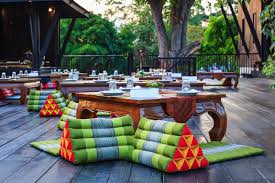
Restoran Jepang terbaik di Chiang Mai
Restoran Jepang terbaik di Chiang Mai – Kami meninjau restoran Jepang terbaik di Chiang Mai, dan yang terbaik tidak berarti termahal dengan satu kali pengisian hanya 69 baht per hidangan!
Restoran Jepang terbaik di Chiang Mai
openchiangmai.com – Restoran Jepang bermunculan di seluruh kota, dan Chiang Mai dengan mantap menjadi kota terbaik untuk sashimi dan sushi gulung di utara Bangkok. Apakah Anda sedang mencari irisan mewah kelas atas yang disajikan dengan semua topping yang dapat Anda bayangkan, atau mie dan sashimi murah yang mudah dan lezat, kami siap membantu Anda.
Yakiniku & Shabu
Menggunakan bahan-bahan berkualitas, reinkarnasi dari Chef Table Cook with Love asli Chiang Mai ini, memang merupakan pesaing yang sangat kuat untuk menjadi salah satu Restoran Jepang premium di Chiang Mai.
Cook With Love dimulai sebagai proyek gairah oleh Chef Kai, yang memukau Chiang Mai dengan daging chefnya lebih dari satu dekade lalu. Hari ini, di lokasi baru yang dibangun dengan tujuan khusus, awal baru yang megah ini akan habis-habisan.
Dengan daging sapi premium yang dilelang dan diterbangkan dari Jepang serta lobster hidup yang dapat dipilih, para pengunjung dijamin mendapatkan produk impor terbaik yang disajikan oleh koki terkenal.
Anda dapat menyewa kamar pribadi atau bergabung dengan massa di ruang makan utama tempat Anda dapat memanggang, memanaskan, merebus, dan memasak – dengan cinta – sesuka hati.
Menu a la crate mencakup semua favorit Jepang… dan kemudian beberapa dan prasmanan, jika dompet Anda cukup dalam, akan memungkinkan Anda untuk makan daging sapi terbaik di dunia sampai Anda tidak dapat melanjutkan.
Tim Chef Kai secara teratur pergi ke Jepang untuk menawar daging sapi dari Miyazaki, tempat asal daging sapi terbaik Jepang. Baik itu chuck roll, misuji, zabuton, kala sunkaku atau chabuton, Chef Kai menjamin daging sapinya menjadi yang terbaik.
Harga prasmanan datang pada tingkat yang berbeda dan termasuk yakiniku dan shabu shabu – dengan semua pelengkap dan saus yang enak. Anda dapat memilih dari paket berikut: 529++ / 799++ / 1.400++ / 3.200++ per orang.
Pengunjung yang berulang tahun menerima diskon 1% serta mereka yang tiba setelah pukul 20.00. Anak-anak dengan tinggi badan di bawah 100 cm dapat bersantap gratis, sedangkan anak dengan tinggi antara 100-130 CMU mendapatkan diskon 50%.
Kafe Nekoemon
Makanan Jepang buatan rumah asli Nostalgia bukan hanya untuk rasa, tapi juga suasana Jepang. Nekoemon Cafe telah melakukan yang terbaik untuk memberi Anda perasaan otentik itu.
Masuki kafe melalui zona hutan bambu kecil yang terinspirasi dari keindahan Kyoto, lengkap dengan tempat ibadah mini. Aksen dan item kecil menandai pintu masuk, sebagai penghormatan ke Jepang. Saat seseorang melewati hutan, seseorang memasuki taman Zen yang terpesona, lengkap dengan air terjun yang menetes, kicau burung, dan jembatan merah melengkung yang indah untuk diseberangi.
Setelah Anda menikmati suasananya, sekarang saatnya untuk menikmati makanan yang menyajikan keseluruhan favorit Jepang – sushi, sashimi, berbagai hidangan utama, dan makanan penutup. Gaya buatan rumah, setiap hidangan dibuat dengan penuh cinta dan disajikan dengan indah.
Baca Juga : Restoran Thailand Terbaik di Chiang Mai yang Harus Anda Coba
Berikut adalah beberapa hidangan yang kami rekomendasikan: somen dengan saus tempura dan yuzu, tem soba, dan udon. Segarkan kembali jiwa Anda dengan yuzu soda, yuzu matcha, dan es krim yuzu.
Nanohana Japanese Restaurant
Destinasi terbaru untuk merasakan Jepang di jantung kota,Jepang memiliki banyak tradisi makanan yang disukai oleh orang Thailand dan restoran terbaru ini akan menarik karena variasi dan kelezatannya dari setiap hidangan yang disajikan dengan indah. Dari panggangan hingga omakase hingga shabu shabu, izakaya, ada berbagai macam pengalaman, rasa, dan kesenangan yang bisa didapat.
Hanya menggunakan produk premium dan disajikan dengan indah, mengapa tidak mencoba omakase 16 hidangan yang akan membuat Anda dimanja oleh pilihan dan kenyang. Ada juga dua kursus khas besar yang dibuat oleh koki yang keduanya layak untuk dinikmati. Kursus mulai dari 1.299 baht dan naik menjadi 2.999 baht tergantung pada rasa lapar atau keinginan Anda!
Kursus-kursus ini hanya tersedia pada hari Jumat hingga Minggu untuk dua tempat duduk – 18:00 dan 20:00.Kursus berubah saat dan ketika koki memutuskan, karena tergantung pada ketersediaan produk terbaik dan segar.
Menu a la carte menawarkan hingga delapan jenis sashimi, sekali lagi berubah sesuai musim. Banyak hidangan premium favorit Jepang tersedia di sini dengan Wagyu yang lezat, onigiri nasi putih yang lembut, dan banyak pilihan sushi.
Jika Anda seorang pecinta daging sapi, maka pesanlah daging sapi miyazaki yang lembut dan empuk yang dapat Anda masak shabu shabu, panggangan atau gaya apa pun yang Anda inginkan.Dan ada berbagai macam minuman yang enak, beralkohol atau perawan, untuk mencuci semuanya.
Uchi Japanese Gastro Bar
menawarkan banyak hal. Ini menyajikan makanan Jepang yang lezat hanya dengan menggunakan produk lokal dan impor terbaik. Ini telah menciptakan suasana pub yang menyenangkan dengan kursi bar, sudut, dan celah di mana penumpang dapat duduk dan menikmati beragam minuman, dengan menu sake yang sangat menggoda.
Ini mengundang pengunjung tetap dan penduduk setempat untuk menetap dan merasa nyaman, lagipula uchi dalam bahasa Jepang berarti ‘rumah kami’, menjadikan tujuan ini tempat yang bagus untuk mampir untuk makan di siang hari, minuman yang memanjakan dengan rekan kerja setelah bekerja, sebuah tempat meriah untuk memanjakan diri dalam pesta bersama keluarga dan teman, atau sekadar berhenti sebentar untuk makan.
Puaskan selera Anda dengan hokkaido scallop carpaccio, hidangan lembut yang menonjolkan kesegaran kerang berkualitas, diatapi rasa tajam dari acar wasabi yang menari di lidah saat telur salmon pecah di setiap gigitan dan semuanya diikat menjadi satu dengan jeli ponzu.
Pecinta daging harus memesan saga wagyu striploin marbling score, miniyaki tingkat A4 yang dipotong menjadi kubus seukuran gigitan yang direbus di atas batu bara panas dan dicelupkan ke dalam garam laut Himalaya yang langsung meleleh di mulut.
Chutoro tartare adalah hidangan yang sangat lembut menggunakan perut tuna merah muda marmer, disajikan dengan telur salmon dan acar wasabi bersama dengan telur karang yang meledak dengan gembira dan asin di setiap gigitan.
Untuk memesan sesuatu yang benar-benar dekaden, wagyu kikiri foie gras disajikan dengan minyak truffle aromatik; kaya, lembut dan halus seperti sutra di lidah.
Menunya besar dan sangat menggoda, menyimpang dari banyak menu pokok dan template yang ditemukan di sebagian besar restoran Jepang di sekitar kota. Pecinta makanan Jepang, pecinta malam yang menyenangkan, pecinta sake yang lezat – kunjungi Uchi Japanese Gastro Bar.
The Good View 69 Sushi Bar & Bistro
Terkenal di antara pusat kota, The Good View menawarkan tempat makan dengan suasana yang semarak baik sebelum, selama, atau setelah keluar malam. Baru-baru ini, pemilik membuka pilihan makan malam baru – The Good View 69 Sushi Bar & Bistro.
Dengan inspirasi Tokyo yang mewakili esensi dari restoran Izakaya dengan kursi yang nyaman dan sudut intim yang tersebar bersama dengan benda-benda seni dan koleksi manga yang menyenangkan, restoran yang ramai ini menyambut pengunjung dengan parade gigitan cepat dan lezat Jepang yang menggiurkan.
Semua hidangan serta minuman menyegarkan, bir, dan segelas anggur dengan harga 69 baht dan disiapkan oleh koki berpengalaman. Setiap hidangan disajikan dengan gaya yang unik dan khas, namun dengan cita rasa Jepang yang sesungguhnya. Bahan-bahannya segar dan dipilih dengan cermat. Sangat direkomendasikan adalah Gyu Abuki, Sake Nigiri dengan Keju, Tiram dengan Saus Ponzu.
Tengoku
Tengoku de Cuisine pemenang penghargaan telah menjadi penerima Thailand’s Best Restaurants Thailand Tatler selama lebih dari satu dekade, sebuah bukti akan kualitas makanan dan layanannya yang tinggi secara konsisten. Sebagai salah satu restoran Jepang yang paling dicintai dan diakui di kota ini, Tengoku memiliki kemewahan untuk memasok dapurnya hanya dengan produk paling segar setiap hari.
Beberapa hidangan yang lebih populer termasuk terung panggang yang lezat dengan saus miso di mana tekstur terung yang kaya dan halus ditingkatkan oleh rasa manis miso yang gurih dan salad rumput laut tiga warna kaleidoskopik yang menggabungkan tidak hanya warna, tetapi juga tekstur dari makanan. rumput laut disajikan dengan saus wijen halus.
Setelah nafsu makan terpuaskan, lanjutkan ke tataki daging sapi di mana gundukan kecil sirloin mentah yang diiris tipis disajikan di atas irisan bawang merah dan pasta bawang putih. Celupkan daging dan bawang ke dalam saus ponzu selama lima detik dan ini adalah gigitan surga.
Tengoku memiliki tiga cabang yang menawarkan tiga pengalaman Chiang Mai yang berbeda, ada Tengoku de Cuisine klasik yang sangat elegan dan sempurna untuk kelompok pribadi dan intim yang menyajikan a la carte serta prasmanan 880 baht restoran yang terkenal, lalu ada cabang kota, Tengoku+Yaki yang melayani hal yang sama tetapi juga memiliki 555 baht brill buffet dan bar dan terakhir Tenkogu Mae On adalah gaya resor Tengoku bagi mereka yang ingin meluangkan waktu untuk makan dalam suasana pedesaan yang spektakuler.
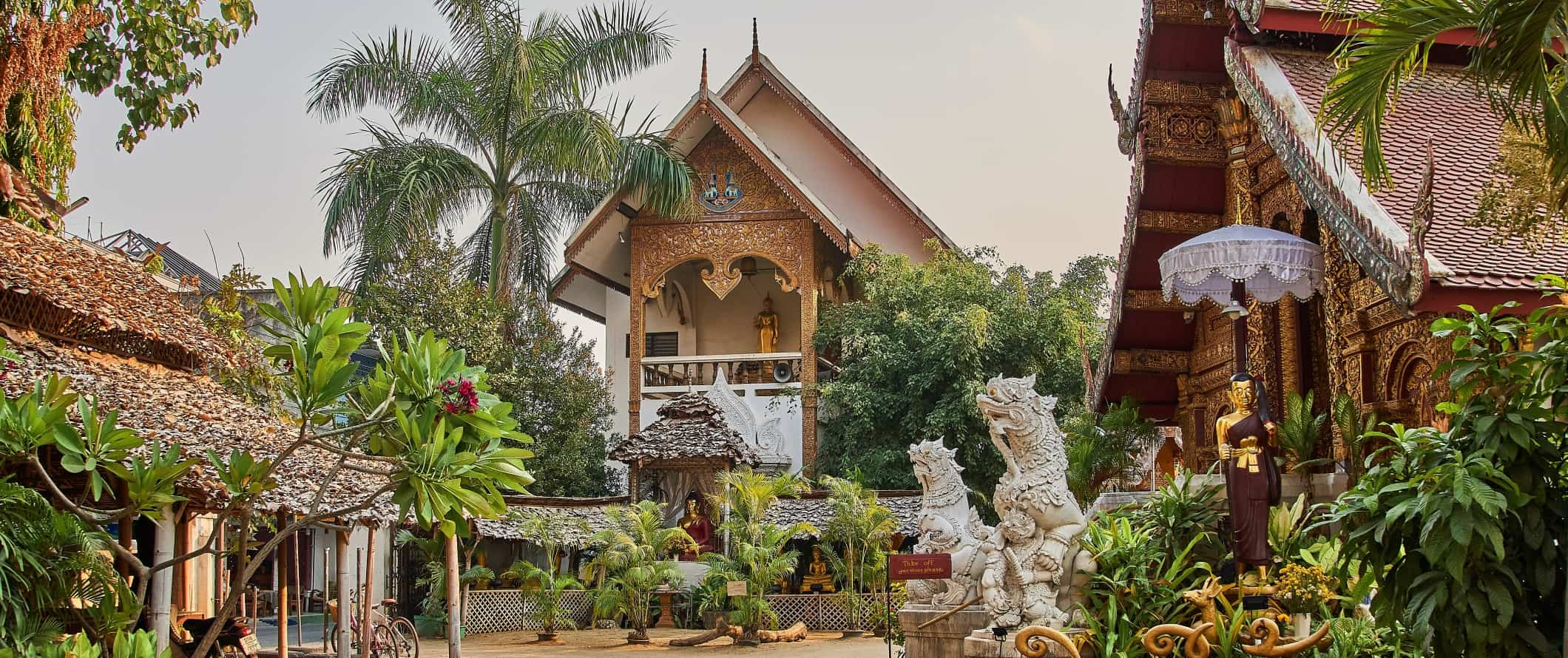
Restoran Thailand Terbaik di Chiang Mai yang Harus Anda Coba
Restoran Thailand Terbaik di Chiang Mai yang Harus Anda Coba – Untuk pecinta makanan yang mencari restoran Thailand yang luar biasa,Chiang Mai menawarkan begitu banyak hal.Sambil menjelajahi makanan khas lokal,kami mengunjungi beberapa restoran Thailand di Chiang Mai untuk mencari pengalaman otentik terbaik.
Restoran Thailand Terbaik di Chiang Mai yang Harus Anda Coba
openchiangmai.com – Dengan daftar beberapa restoran Thailand Chiang Mai terbaik kami,Anda dapat mencicipi semua jenis makanan Thailand utara.Dari Lanna atau Thailand utara hingga hidangan yang dipengaruhi Burma,dan makanan vegetarian yang lezat,pilihannya sangat banyak.Restoran-restoran ini adalah beberapa tempat makan terbaik di Chiang Mai untuk memuaskan rasa lapar Anda akan makanan asli Thailand utara.
Huen Muan Jai – Lanna Style Chiang Mai Restaurant
Huen Muan Jai terletak di lingkungan Chang Phueak,antara Kota Tua dan Maya Mall.Ini adalah restoran Thailand utara yang terletak di rumah bergaya Lanna tradisional.Ini adalah tempat terbaik untuk makan di Chiang Mai ketika Anda baru mengenal makanan Thailand utara karena banyaknya penawaran khas Thailand utara.
Layanannya ramah dan pengaturan santai tradisional menjadikannya tempat yang tepat untuk mengajak teman atau keluarga untuk makan malam yang menyenangkan.
- Makanan Di Huen Muan Jai
Kami sangat merekomendasikan sampler pembuka utara mereka.Ini adalah hidangan yang enak untuk dibagikan dan dicicipi beberapa makanan khas Thailand utara.Diantaranya adalah Nam Prik,saus celup yang disajikan dengan Kap moo,daging babi goreng dan Sai oua,atau sosis Thailand utara.
Restoran ini juga menawarkan hidangan unik seperti lele bakar di daun pisang.Mereka juga memiliki pilihan sup Thailand utara yang enak.Kami sangat menikmati Gaeng Lee atau daging babi bunga pisang.Kami memiliki beberapa makanan Thailand terbaik di Chiang Mai di restoran ini.
Tong Tem Toh
Di lingkungan Nimman yang trendi dan trendi,Anda akan menemukan restoran Tong Tem Toh yang populer.Restorannya besar dan lapang dengan bangku berwarna gelap dan bahkan mesin kabut untuk membuat Anda tetap sejuk.Saat Anda mendekati restoran,Anda akan melihat dua hal: “master panggangan” yang memasak berbagai sosis dan makanan khas lainnya,dan antrean panjang orang yang menunggu meja.
Restoran tidak menerima reservasi,tetapi sepadan dengan menunggu sebagai salah satu restoran terbaik di Chiang Mai untuk makanan Thailand utara.Anda akan senang dengan pengalaman itu.
- Makanan Di Tong Tem Toh
Kami menyukai menu Tong Tem Toh yang luas dan ensiklopedis dari saus cabai,salad,sup,tumis kentang goreng,dan daging panggang.Dengan porsi yang murah hati,rencanakan untuk berbagi agar Anda dapat mencicipi lebih banyak masakan Thailand utara.
Salah satu makanan Thailand utara favorit kami adalah Gaeng Hang Lay,yaitu kari daging babi yang dimasak perlahan dengan jahe,asam jawa,kunyit,bawang putih,dan lainnya.Item barbekyu panggang juga sangat populer.Jangan ragu untuk mencoba ayam panggang,iga babi panggang,dan lainnya.
Huen Phen
Sebuah institusi di Chiang Mai,restoran Huen Phen terkenal menyajikan masakan Lanna,atau makanan Thailand utara,selama lebih dari 40 tahun.Terletak di Kota Tua,Anda akan menemukan restoran di dekat Wat Chedi Luang.
Restoran ini menawarkan dua pengalaman bersantap yang berbeda.Makan siang disajikan di luar ruangan dalam suasana santai sementara makan malam berlangsung di ruang makan yang bernuansa.
- Makanan Di Huen Phen
Menunya menampilkan berbagai hidangan Thailand utara untuk suasana hati apa pun yang Anda rasakan.Beberapa pengalaman favorit kami adalah merumput dengan santai melalui permulaan saus cabai,makan Khao Soi di malam hari,atau mencoba salad kari nangka.
Salah satu hidangan yang sangat menonjol adalah larb,atau salad daging babi ala utara yang dicincang.Sangat beraroma,hidangan ini disajikan dengan sepiring besar sayuran hijau dan nasi ketan.
Laab Kai Mueang Pan Waen
Salah satu kesenangan mengikuti wisata kuliner dalam perjalanan Anda adalah menemukan permata yang hanya diketahui oleh penduduk setempat.Pada tur makanan Chiang Mai kami,kami menemukan restoran tradisional Thailand yang sederhana ini,jika tidak kami akan berjalan melewatinya.Berada tepat di area Gerbang Selatan,kami berjalan memasuki Laab Kai Mueang Pan Waen.Restoran ini dijelaskan oleh pemandu wisata kami sebagai salah satu restoran Thailand terbaik di Chiang Mai untuk masakan gaya utara.
Restoran bergaya pedesaan.Di depan restoran terdapat panggangan terbuka yang besar.Dan,di belakang,area taman yang indah akan mengejutkan Anda.Populer di kalangan penduduk setempat,restoran ini terkenal menyajikan masakan Thailand utara paling otentik selama lebih dari 20 tahun.
- Makanan Di Laab Kai Mueang Pan Waen
Kualitas makanannya luar biasa dan sangat beraroma.Kami memiliki Larb,Gaeng Hang Lay Moo,kari ayam,dan bahkan kari kodok tradisional.Rekomendasi kami adalah tetap menggunakan larb (salad babi cincang harum) dan gaeng hang lay (kari babi Thailand utara).Pastikan untuk mendapatkan nasi ketan,untuk hidangan yang enak dan memuaskan.
Paak Dang
Untuk pengalaman tepi sungai yang romantis,restoran Chiang Mai Paak Dang menawarkan masakan Lanna yang menghadap ke Sungai Ping.Restoran diatur dalam kayu,gaya Thailand,rumah Lanna.Tempat duduk di luar ruangan berada di teras yang indah dengan lentera yang tergantung di pepohonan,meja yang diterangi lilin,dan air terjun yang indah.
Paak Dang juga merupakan restoran yang sadar sosial yang memberikan kembali kepada masyarakat dengan mempekerjakan pekerja yang kurang beruntung dan membekali mereka dengan keterampilan hidup.
- Makanan Di Paak Dang
Menunya menawarkan berbagai hidangan tradisional Thailand serta penekanan khusus pada masakan Thailand utara atau Lanna.Makanan mereka yang paling terkenal adalah makanan pembuka makanan laut khas mereka.Dan,menunya memiliki rangkaian hidangan seafood olahan yang mengesankan.
Pada kunjungan kami,kami mulai dengan Miang Kham Goong.Ini adalah camilan tradisional Thailand berupa udang bakar dalam daun sirih dengan jeruk nipis jahe,bawang merah,dan saus kelapa karamel.
Ini diikuti dengan sepiring cumi kukus.Hidangan seafood campur yang lezat disajikan dalam tempurung kelapa muda melengkapi hidangan utama.Nasi ketan mangga,dengan mangga yang matang sempurna,adalah makanan penutup yang sangat baik untuk menghabiskan makanan kami.
Cherng Doi
Cherng Doi adalah taruhan yang pasti saat makan di lingkungan Nimman.Terletak di Jalan Suk Kasame,di luar Jalan Nimmanhaemin yang sibuk,ini adalah sebuah oasis tepat di sebelah area Nimman yang trendi.Restoran ayam panggang Cherng Doi selalu sibuk,tetapi layanannya ramah dan penuh perhatian.
Ini adalah tempat yang tepat untuk makan siang atau makan malam santai,dengan ruang duduk terbuka dan lapang di depan restoran.
- Makanan Di Cherng Doi
Daya tarik terbesar Cherng Doi adalah ayam bakar atau panggang mereka.Ayam atau Kai Yang Nong Krob disajikan dengan saus asam manis asam yang luar biasa.Untuk pergi dengan ayam panggang Cherng Doi Anda beberapa som tam atau salad pepaya.
Pada menunya terdapat rujak pepaya goreng yang sangat menarik dan patut untuk dicoba.Untuk menambah makanan Anda,dapatkan satu porsi (atau dua) nasi ketan mereka,makanan pokok tradisional masakan timur laut atau Isaan.
Makanannya enak meskipun ukuran porsinya lebih kecil.Pesan ayam panggang tambahan dan salad sisi yang berbeda untuk keragaman rasa yang berbeda.
Toy Roszab
Mengundang aroma dari panggangan rotisserie arang vertikal luar ruangan akan memikat Anda ke dalam restoran.Kemudian wajah Malli yang tersenyum,dengan geram membuat salad pepaya di depan warung,akan mengarahkan Anda ke sebuah meja.
Restoran Toy Roszab terletak di belakang kios dengan meja dan bangku kecil.Pengalamannya sangat lokal dan Anda akan menemukan beberapa turis di restoran Thailand otentik ini.Permata lokal,Toy Roszab,adalah salah satu restoran terbaik di Chiang Mai untuk barbekyu panggang.
- Makanan Di Toy Roszab
Makanannya adalah makanan Thailand timur laut atau masakan Isaan.Makanan dari daerah ini didominasi oleh ayam dan daging yang sederhana,diasinkan,dipanggang atau digoreng,salad beraroma cerah,dan tentu saja nasi.
Selain rasa daging yang luar biasa,kami juga menikmati salad babi panggang,atau moo nam tok dalam bahasa Thailand.Rasanya luar biasa dan daging babinya sangat empuk.Pengalaman yang sangat direkomendasikan.
Baca Juga : 11 Hotel Terbaik di Kota Tua Chiang Mai
Terletak di sebelah timur Wat Loi Kroh,Toy Roszab adalah perhentian ideal untuk makan siang sambil berjalan-jalan di dalam dan sekitar Kota Tua.
Khao Soy Mae Sai
Khao Soy Mae Sai terletak di dekat Huen Muan Jai di antara Maya Mall dan Kota Tua.Buka hanya untuk makan siang,paling populer untuk Khao Soi,hidangan mie Chiang Mai yang terkenal.Bersama dengan Khao Soi Lam Duan dan Khao Soi Khun Yai,ini adalah beberapa restoran Khao Soi paling populer di kalangan turis.
Khao Soi terbaik kami adalah dari pedagang kaki lima yang terletak di Jalan Chonprathan (Jalan Lingkar Luar Chiang Mai) di persimpangan jalan Wua Lai.Yang paling kami sukai dari Khao Soy Mae Sai adalah pilihan sup utara Chiang Mai lainnya.
- Makanan Di Khao Soy Mae Sai
kami Sup pilihan adalah Jean Nam Ngiao.Ini adalah sup mie babi yang sedikit pedas dengan kaldu tomat ringan yang disajikan dengan kubus darah yang khas.Terlepas dari bagaimana bahannya terdengar,kami sangat menyarankan untuk mencobanya.Ini adalah makanan khas lokal dan rasanya jauh lebih enak daripada kedengarannya.
Layanan di restoran cepat karena semua bahan dan mangkuk mie sudah disiapkan untuk pelanggan mereka.Pengaturannya santai dan merupakan tempat yang bagus untuk makanan enak saat makan siang.Restoran populer yang tidak akan salah di restoran Thailand di Chiang Mai ini.
Kesimpulan
Saat mencari makanan Thailand terbaik di Chiang Mai,ada banyak restoran populer dan banyak di bawah radar turis.Setiap restoran di daftar ini akan menjadi pilihan yang bagus untuk tempat makan makanan Thailand utara di Chiang Mai.
Dari jajanan kaki lima hingga restoran mewah,tempat-tempat ini menawarkan cita rasa makanan otentik di Chiang Mai.Beberapa restoran fokus pada beberapa hidangan,sementara yang lain memiliki banyak pilihan makanan Thailand utara,cara yang ideal untuk mencicipi beberapa masakan Thailand.
Jika waktu mengizinkan,cobalah semua restoran Chiang Mai ini dan jelajahi berbagai hidangan Thailand utara,hidangan Isan,dan hidangan gaya Burma.Dari daftar restoran terbaik di Chiang Mai ini,apa restoran Thailand di Chiang Mai yang paling ingin kamu kunjungi? Beri tahu kami di komentar di bawah.
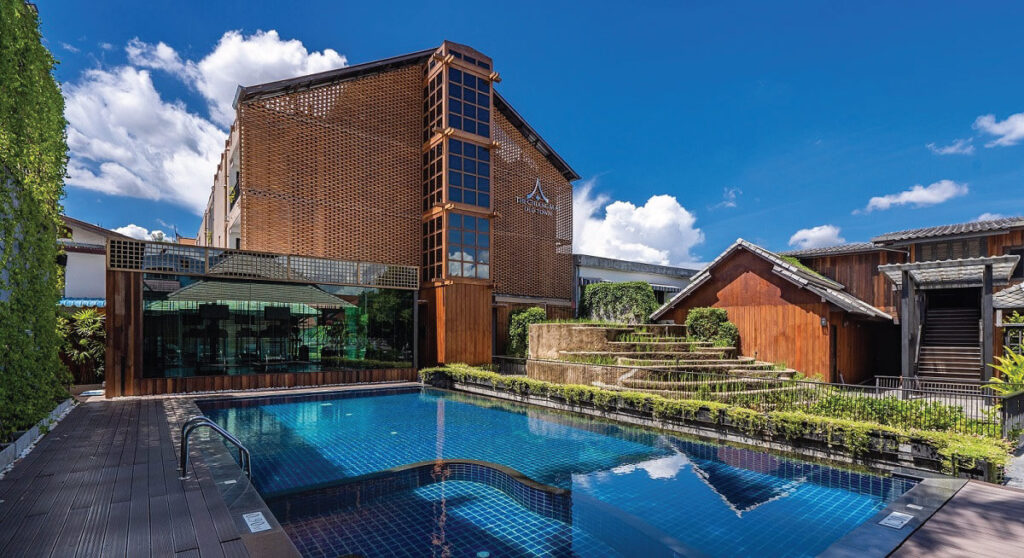
11 Hotel Terbaik di Kota Tua Chiang Mai
11 Hotel Terbaik di Kota Tua Chiang Mai – Chiang Mai adalah tujuan populer di Thailand utara, sebagian besar karena kota tua kuno di mana kuil-kuil mengesankan yang tak terhitung jumlahnya dapat ditemukan. Selain kuil, Chiang Mai adalah tempat menakjubkan di mana Anda dapat mengunjungi suaka gajah yang benar-benar etis, menjelajahi alam, dan menyantap makanan lezat yang terjangkau.
11 Hotel Terbaik di Kota Tua Chiang Mai
openchiangmai – Pengatur waktu pertama ke kota akan menemukan kota tua sebagai tempat yang ideal untuk tinggal di Chiang Mai karena letaknya yang dekat dengan tempat-tempat wisata utama kota. Untungnya, ada banyak hotel bagus di Kota Tua Chiang Mai untuk dipilih! Untuk mempermudah keputusan Anda, berikut adalah 11 hotel terbaik di Chiang Mai, mulai dari yang mewah hingga hemat. Setiap tempat di daftar ini terletak sempurna di dalam empat tembok kota tua.
Ada sejumlah hotel mewah yang luar biasa di sekitar Chiang Mai, tetapi jika anggaran tidak menjadi masalah, pastikan Anda tetap berada di kota tua. Hotel-hotel ini biasanya akan dianggap sebagai akomodasi bintang 5 di Chiang Mai dan menawarkan keuntungan yang luar biasa. Terlepas dari harga yang lebih tinggi, hotel butik ini adalah yang terbaik dari yang terbaik dan sangat berharga bagi wisatawan yang ingin menghabiskan sedikit lebih banyak untuk membuat liburan mereka benar-benar istimewa.
1. 99 The Heritage Hotel
99 The Heritage adalah hotel menawan yang terletak di jantung Kota Tua Chiang Mai. Desainnya merupakan perpaduan antara baru dan lama, dengan furnitur eklektik yang tersebar di seluruh hotel. Hotel itu sendiri baru dibuka pada tahun 2016, jadi semuanya baru. Makan di luar menakjubkan, dengan kolam dan taman di kedua sisinya. Kolam renangnya modern dan pribadi, ideal untuk bersantai di penghujung hari atau berenang untuk menenangkan diri. Sudah jelas bahwa tujuan hotel ini hanya menawarkan pengalaman terbaik kepada semua pelanggan mereka. Layanan ini luar biasa pastikan untuk meminta tur lokal kepada mereka karena mereka akan dengan senang hati mengaturnya untuk Anda. Jika Anda mencari hotel butik yang tenang di tengah Kota Tua Chiang Mai yang ramai, 99 The Heritage adalah pilihan ideal.
Baca Juga : 12 Restoran India Di Chiang Mai Yang Harus Anda Kunjungi Di Tahun 2023
2. The Inside House
Melangkah ke dalam The Inside House seperti memasuki rumah seorang raja bisnis. Semuanya berwarna putih dan hijau, dengan lantai marmer yang memukau dan pola rumit yang terukir di seluruh hotel. Bagi kami, desainnya sendiri mengingatkan pada kuil putih indah yang ditemukan di Chaing Rai. Berharap untuk melihat tangga besar dan lengkungan marmer, dengan tanaman tropis merambat yang tergantung di atap. Kamar-kamarnya luas, dengan jendela dari lantai ke langit-langit yang menghadap ke kolam berendam pribadi Anda sendiri. Setiap detail dari hotel ini sempurna. The Inside House adalah yang paling mewah, melebihi apa pun yang dapat Anda temukan di Kota Tua Chiang Mai. Satu-satunya hotel lain yang mendekati terletak di luar Kota Tua, di mana Anda akan mengorbankan lokasi hotel ini.
3. Tamarind Village
Di Tamarind Village, Anda akan menemukan hotel indah yang terinspirasi dari Lanna yang mengelilingi pohon raksasa dan halaman. Saat Anda berjalan masuk, tanaman bambu melengkung menciptakan jalan setapak menuju lobi yang dipenuhi dengan seni, pahatan, dan furnitur yang indah. Arsitektur dan perabotannya dirancang dengan gaya Thailand bersejarah yang menyatu dengan Kota Tua Chiang Mai dengan luar biasa. Suasananya tenang dan santai. Itu berada di lokasi terbaik untuk menjelajahi Kota Tua, atau Anda dapat menghabiskan waktu dalam kenyamanan mewah di tepi kolam renang biru yang besar. Staf di sini akan dengan senang hati membantu Anda menemukan aktivitas untuk membuat Anda sibuk, termasuk tur berpemandu dan menenun bunga lokal.
4. Rachamankha Boutique Hotel
Saat Anda memasuki Rachamankha Boutique Hotel, pilar-pilar putih besar mengelilingi halaman luar ruangan yang dirawat dengan cermat. Interiornya indah dan didesain dengan gaya yang lebih tradisional, namun tetap mempertahankan suasana yang bersih dan mewah. Makanan di sini menjadi sorotan, terutama pastikan untuk makan di luar di halaman yang suasananya damai dan tenteram. Jeda yang bagus dari jalan yang sibuk di dekatnya. Meskipun terasa seperti oasis damai yang jauh dari kota mana pun, Rachamankha terletak dengan nyaman tepat di pusat Kota Tua Chiang Mai, dengan ratusan restoran, kuil, dan objek wisata yang hanya berjarak sepelemparan batu. Hanya ada 25 kamar di Rachamankha, menjadikannya hotel butik kuno yang ideal untuk pasangan atau keluarga yang ingin menikmati liburan yang tenang. Beberapa tempat memiliki nilai yang lebih baik di Chiang Mai dalam hal akomodasi mewah.
5. Phra Singh Village
Phra Singh Village jelas hangat dan nyaman. Seluruh hotel dirancang dengan ubin terakota dan kayu yang dipadukan dengan dinding putih. Tanaman hijau subur ditaburi dengan berbagai tanaman tropis memberikan suasana santai di hotel. Staf di sini memperlakukan Anda seperti bangsawan, benar-benar fokus untuk memastikan masa tinggal Anda di sini tidak ada yang sempurna. Seluruh hotel ini baru dan bersih (baru saja dibuka pada tahun 2018), sehingga Anda dapat mengharapkan kamar yang luas tanpa tanda-tanda dekorasi yang menua. Berkat lokasinya yang berada di jantung Kota Tua Chiang Mai, Anda akan bebas menjelajah dengan berjalan kaki dengan mudah. Jaraknya juga cukup dekat dengan gerbang Barat, sehingga cukup mudah menjangkau area di luar Kota Tua. Jika Anda mencari salah satu hotel terbaru dan termewah di Chiang Mai, maka Anda akan kesulitan mengalahkan Phra Singh Village.
6. De Naga Hotel
Beberapa hotel di Chiang Mai benar-benar terlihat seolah-olah seharusnya ada di sana. Hotel De Naga adalah pengecualian. Dirancang dengan gaya tradisional Thailand, hotel ini tampak seperti berada di sebelah kuil menakjubkan yang tersebar di sekitar Kota Tua Chiang Mai. Kamarnya bagus dan luas dengan sedikit sentuhan modern untuk tampilan tradisional hotel lainnya. De Naga Hotel menawarkan makanan lezat, meskipun terdapat banyak restoran dalam jarak berjalan kaki singkat. Anda juga akan bisa mendapatkan semua atraksi dengan mudah. Pasar sering beroperasi dan kios-kios akan membentang dari Gerbang Tha Phae melalui jalan-jalan di luar hotel De Naga.
7. Makka Hotel Chiang Mai
Makka adalah hotel yang indah dengan kamar bersih dan desain modern. Rasanya seperti hotel butik kelas atas dengan harga menengah. Ini berkat arsitektur megah tempat Anda masuk untuk menemukan lantai hitam pekat dengan dinding dan langit-langit putih. Makka berada di lokasi yang fantastis di sisi Timur Kota Tua Chiang Mai. Ini menempatkannya di tempat utama untuk mengakses pasar Minggu malam, serta pasar lainnya sepanjang minggu. Area bersama termasuk ruang makan dan lobi sangat indah sehingga Anda pasti akan mengambil banyak foto. Tempat ini adalah oasis yang benar-benar indah dan tenang di dalam kota yang ramai.
8. U Chiang Mai Hotel
U Chiang Mai memiliki desain ultra-modern yang sesuai dengan sifat mewah hotel ini. Anda tidak akan mendapatkan pengalaman tradisional di sini, tetapi tetap indah dengan caranya sendiri. Dengan tepi tajam, lantai batu, dan wallpaper eklektik. Hotel ini terasa jauh lebih kelas atas daripada harga yang disarankan, menggambarkan nilai akomodasi yang luar biasa di Thailand. Lokasi dengan mudah tepat di pusat Kota Tua. Sangat mudah untuk berjalan ke restoran, supermarket, ATM, dan kuil yang tak terhitung jumlahnya. Staf sangat ramah dan penuh perhatian, berusaha keras untuk membantu Anda dengan apa pun yang Anda butuhkan.
9. Nai Wiang
Nai Wiang adalah poshtel yang terletak di tengah Kota Tua Chiang Mai. Ini adalah pilihan nomor satu kami untuk akomodasi bernilai di Chiang Mai. Kamar-kamar di sini sangat bersih dan, bertentangan dengan beberapa ulasan, lebih dari cukup jika Anda hanya tidur di sini. Wifi berfungsi dengan baik dan staf benar-benar berusaha keras untuk memastikan Anda memiliki pengalaman hebat. Anda akan berada dalam jarak berjalan kaki singkat ke semua kuil di Kota Tua Chiang Mai. Ada pasar kecil di luar setiap hari, serta pasar besar beberapa kali seminggu. Ini memiliki nuansa butik kecil yang sama sekali tidak seperti hostel. Ingatlah bahwa ini adalah hotel yang sangat tenang. Anda tidak akan mungkin bertemu wisatawan lain. Kami telah menemukan bahwa bepergian dengan anggaran terbatas di Asia Tenggara memang membutuhkan pengorbanan beberapa kemewahan. Dalam hal ini, Nai Wiang tidak memiliki lift. Harapkan beberapa tangga. Ini sebenarnya bukan masalah bagi kami.
10. Rendezvous Classic House
Rendezvous Classic House adalah hotel yang indah di Kota Tua Chiang Mai. Kamar-kamar di sini sangat luas dan mewah, meski harganya murah. Ada kolam renang luar ruangan di sini yang merupakan tambahan yang bagus, serta sarapan yang luar biasa. Staf bekerja dengan baik untuk memastikan Anda mendapatkan pengalaman menginap yang menyenangkan. Kami akan merekomendasikan hotel ini untuk pelancong keluarga dengan anggaran terbatas karena memiliki semua fasilitas hotel berkualitas dan berada dalam jarak berjalan kaki ke mana pun Anda perlu pergi. Rendezvous Classic House sangat populer dan terjual habis dengan cepat, jadi kami sarankan untuk memesan jauh-jauh hari.
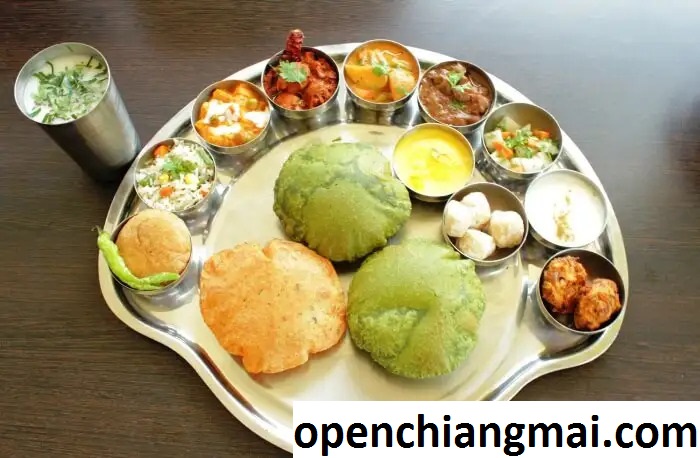
12 Restoran India Di Chiang Mai Yang Harus Anda Kunjungi Di Tahun 2023
12 Restoran India Di Chiang Mai Yang Harus Anda Kunjungi Di Tahun 2023 – Chiang Mai adalah salah satu kota terbesar di Thailand. Makanan yang disajikan di Chiang Mai hanyalah yang terbaik yang ditawarkan Thailand. Pilihan jajanan pinggir jalan dan santapan mewah menarik bagi wisatawan lokal dan internasional. Ada sejumlah besar restoran India populer di Chiang Mai yang menjadi favorit semua orang. Baca di bawah untuk mengetahui restoran mana yang masuk ke daftar kami.
12 Restoran India Di Chiang Mai Yang Harus Anda Kunjungi Di Tahun 2023
12 Restoran India Terbaik Di Chiang Mai
openchiangmai – Kami telah membuat daftar mendetail untuk membantu Anda menentukan pilihan di antara banyak restoran India di Chiang Mai. Ke-12 tempat ini dipilih dengan mempertimbangkan lokasi dan peringkat restoran, antara lain. Jadi, gulir ke bawah untuk mengetahui apa yang menanti Anda di sini!
Baca Juga : 8 Tempat Makanan Jalanan Terbaik di Chiang Mai
1. Rajdarbar Indian Restaurant
Ini adalah salah satu restoran India terbaik di Chiang Mai. Restoran India Rajdarbar di Chiang Mai akan memberi Anda pengalaman India yang benar-benar royal dengan suasana mempesona yang memikat. Staf ramah, membantu dan sangat ramah. Masakannya asli India. Para juru masak menggunakan rempah-rempah dan rempah-rempah India untuk memberikan rasa otentik pada makanan. Rajdarbar Indian adalah tempat mengundang yang menarik untuk pengalaman desi yang sesungguhnya.
- Harus dicoba: Dal makhani, Chicken tikka masala, Biryani
- Lokasi: 99/2 Loi Kroh Rd, Tambon Chang Khlan, Amphoe Mueang Chiang Mai
- Masakan: India Utara
- Peringkat Google: 4.4
2. New Delhi Indian Restaurant
Restoran India New Delhi di Chiang Mai terletak di jalan Ratvithi yang terkenal, di sebelah Zoe by the Yellow Club. Ini adalah salah satu restoran teratas untuk masakan India otentik yang lezat di Chiang Mai. Restoran memiliki pilihan bagus untuk vegetarian dan vegan. Pemiliknya sopan, ramah, dan membiasakan para turis dengan etiket makan Thailand. Waktu penyelesaian adalah yang paling sedikit di sini.
- Harus dicoba: Daal makhani, Biryani
- Lokasi: 46/32 Ratvithi Rd, Chang Wat Chiang Mai
- Masakan: India Utara
- Peringkat Google: 4.2
3. Accha Indian Cuisine
Accha Indian adalah restoran yang luar biasa dengan masakan India yang lezat. Restoran memiliki menu luas yang luar biasa untuk vegetarian. Turis India memadati restoran dalam jumlah besar. Bagian terbaik tentang restoran ini adalah lassi-nya. Mereka menyajikan lassi asin dan manis. Mereka juga memiliki berbagai chutney dan achar India pedas yang layak, yang mereka sajikan dengan makanan ringan dan makanan tandoori.
- Harus dicoba: Chicken tikka
- Lokasi: 15 Nimmanhaemin Road, Tambon Suthep, Amphoe Mueang Chiang Mai
- Masakan: India Utara, Punjabi
- Peringkat Google: 4.4
4. Taj Mahal Indian Restaurant
Taj Mahal Indian Restaurant menyajikan kari asli India. Suasana restoran menyenangkan. Ini menyajikan kari dan achar India yang menggugah selera. Tempat yang wajib dikunjungi bagi pecinta vegetarian, restoran ini termasuk di antara restoran terbaik di Chiang Mai. Kuantitas porsinya cukup besar, satu porsi piring penuh cukup baik untuk dua orang.
- Harus dicoba: Saag, Veg thali
- Lokasi: 99/4 Ratchaphakhinai Rd, Tambon Si Phum, Amphoe Mueang Chiang
- Masakan: India Utara
- Peringkat Google: 4.2
5. Spices Indian Restaurant & Store
Spices Indian Restaurant & Store adalah restoran India kecil yang nyaman yang menyajikan makanan khas India buatan sendiri. Makanannya sangat lezat dan dibuat dengan bumbu dan minyak ringan. Dengan interior yang tenang dan elegan, restoran ini berlokasi strategis di jalan Tha Phae dan mudah diakses. Chapati buatan tangan di atas tawa dan disajikan panas. Bagian terbaik dari restoran ini adalah paratha isi.
- Harus dicoba: Campur sayuran samosa, isi paratha
- Lokasi: 94 Thapae Rd, T. Chang Moi, Chiang Mai,
- Masakan: India Utara, Sesuai untuk Vegetarian
- Peringkat Google: 4.4
6. Hinlay Curry House
Ini adalah restoran yang sangat menyenangkan yang terletak di Wat Ket. Menyerupai rumah kaca, restoran ini dikelilingi banyak tanaman hijau. Ada taman yang indah di luar tempat makan. Interior restoran dijaga agar tetap alami. Secara keseluruhan, suasananya tenang dan ambrosial. Restoran India ini menyajikan masakan India kontemporer dengan menggunakan bumbu sedang. Beberapa hidangan lokal dan barat dengan sentuhan India juga disajikan di tempat ini. Staf menggunakan lebih sedikit minyak dan rempah-rempah.
- Harus dicoba: Toast Prancis, Vindaloo, Massaman
- Lokasi: Wat Ket, Distrik Muang Chiang Mai, Chiang Mai
- Peringkat Google: 4.2
7. Royal India Chiang Mai Restaurant
Ini adalah gerai makanan India kecil yang terletak di dekat Chang Khlan. Terletak sangat strategis di pasar Anusarn, tutup Night Bazaar dan hotel Le Meridien yang terkenal. Ini adalah penemuan kejutan bagi mereka yang mencari hidangan asli India dengan rasa yang menyenangkan dan jumlah rempah yang tepat. Ini adalah makanan India terbaik yang bisa Anda dapatkan di Chiang Mai dengan harga yang sangat murah.
- Harus dicoba: Kadai Paneer, Stuffed Naan, Butter chicken masala
- Lokasi: Chang Khlan, Mueang Chiang Mai District
- Masakan: India, Punjabi
- Peringkat Google: 4.3
8. Kabab Bar
Kabab Bar oleh Imran menyajikan masakan India, Pakistan, dan Thailand. Terkenal dengan Kababnya yang lezat, restoran ini memiliki suasana yang semarak dan menyenangkan. Restoran ini sering dikunjungi oleh banyak turis karena Kababnya yang pedas dan hidangan lainnya. Kami menyarankan Anda untuk memesan meja di restoran untuk menghindari antrean sore hari. Jangan lupa untuk mencoba hidangan tandoor mereka.
- Harus dicoba: Hidangan Tandoor
- Lokasi: Distrik Chiang Mai, Distrik Chiang Mai
- Masakan: India, Pakistan, Thai
- Peringkat Google: 4.4
9. The Grill Of India
Sebuah restoran India populer di jantung distrik Mueang Chiang Mai, ini adalah tempat yang wajib dikunjungi untuk pengalaman bersantap santai. Restoran ini memiliki suasana semarak yang apik. Interiornya kontemporer dan nomor Bollywood diputar berulang-ulang. Pegawainya sangat ramah dan membantu. Restoran menyajikan masakan India kontemporer yang agak pedas untuk melayani wisatawan internasional. Samosa panas yang disajikan dengan sesendok chutney cukup populer di kalangan pengunjung di sini.
- Harus dicoba: Tikka ayam bakar, Samosa dengan chutney, Veg thali
- Lokasi: Prapokklao Rd, Tambon Phra Singh, Amphoe Mueang Chiang Mai,
- Masakan: India, India Utara
- Peringkat Google: 4.4
10. De Rani
Ini adalah kafe India yang fantastis yang menyajikan makanan penutup yang menyenangkan dengan berbagai teh masala India yang disajikan panas. Mereka juga memiliki berbagai jus dan smoothie segar untuk mendinginkan Anda di musim panas. Ini adalah outlet kecil yang nyaman di Mueang Chiang untuk menyegarkan Anda setelah petualangan yang melelahkan di dekat perbukitan. Pastikan untuk memesan meja terlebih dahulu untuk menghindari antrean sore hari.
- Harus dicoba: roti panggang Perancis
- Lokasi: 543/121 16, Kan Kaha Soi 25, Mueang Chiang Mai District
- Masakan: India, Barat
- Peringkat Google: 5
11. Curry Pot
Curry Pot adalah restoran kasual di Chiang Mai, Thailand. Tempat ini terkenal dengan biryanis Hyderabadi gurih yang lezat dan masakan asli India. Boneka naan disajikan panas untuk para pengunjung. Interior yang luar biasa, bersemangat, dan lingkungan yang bersih menjadikan ini salah satu tempat terbaik untuk bersantap. Ini adalah restoran yang relatif baru di wilayah tersebut tetapi dengan cepat menarik populasi turis di kota berbukit ini.
- Harus dicoba: Prawn Biryani, Onion Naan, Veg samosas, lumpia goreng
- Lokasi: Distrik Mueang Chiang Mai
- Masakan: India, Punjabi
- Peringkat Google: 2
12. The Whole Earth
The Whole Earth adalah tempat yang tenteram dan tenang dengan interior yang elegan. Ini adalah restoran India kelas atas di jalan Sridonchai. Restoran menyediakan makanan fusion terbaik. Ini menyajikan campuran kari India dengan rasa Thailand. Diatur di area taman yang bagus dengan lingkungan hijau subur, restoran ini menyajikan pengalaman bersantap ambrosial di hutan.
- Harus dicoba: Ikan kukus, Pad thai
- Lokasi: 88 Sridonchai Rd, Tambon Chang Khlan, Amphoe Mueang Chiang Mai
- Masakan: India, Thai
- Peringkat Google: 4.2
8 Tempat Makanan Jalanan Terbaik di Chiang Mai
8 Tempat Makanan Jalanan Terbaik di Chiang Mai – Tanpa keraguan, salah satu hal menyenangkan terbaik yang dapat dilakukan di Chiang Mai adalah mencicipi banyak sekali makanan lezat dan murah yang ditawarkan. Karena makanan jalanan yang luar biasa di Chiang Mai, kami dapat makan di luar setiap makan siang dan makan malam selama tiga bulan terakhir dan akan terus melakukannya sampai kami pergi. Makanan jalanan Chiang Mai adalah beberapa yang terbaik di Thailand, jadi izinkan kami menunjukkan kepada Anda di mana menemukan delapan tempat terbaik untuk makan murah yang enak.
8 Tempat Makanan Jalanan Terbaik di Chiang Mai
openchiangmai – Secara tradisional, sebagian besar pedagang kaki lima yang menjual jajanan di Chiang Mai tidak keluar hingga malam hari, tetapi masih banyak pilihan di siang hari. Apakah Anda suka mie Thailand, sup, salad, tumis, sayuran, makanan laut, bebek, ayam, babi atau sapi, makanan jalanan Chiang Mai mencakupnya dengan harga rata-rata 45 baht untuk 1 makanan. Tidak masalah di mana Anda berbasis di kota, Anda tidak akan jauh dari beberapa makanan jalanan terbaik di Chiang Mai.
Tolong jangan khawatir tentang keracunan makanan. Tingkat kebersihan makanan jauh lebih baik dari sebelumnya. Seperti yang saya katakan, kami sudah makan makanan jalanan selama tiga bulan, dan kami tidak pernah sakit sekali pun. Jika Anda membiarkan rasa takut makanan jalanan menguasai Anda, Anda akan kehilangan beberapa suguhan yang benar-benar enak dan murah. Jadi tanpa urutan tertentu, inilah delapan tempat makanan jalanan terbaik kami di Chiang Mai.
Baca Juga : 11 Tips Restoran Makanan Yang Wajib Dicoba Di Chiang Mai
1. Chang Puak Gate (North Gate)
Ada banyak pilihan kedai makanan jalanan di seberang jalan dari Gerbang Chang Puak. Ini adalah gerbang di sisi utara parit sehingga sering disebut sebagai Gerbang Utara. Mereka mengatur setiap malam dari sekitar jam 5 sore. Kami sudah makan di sini berkali-kali untuk pad thai, sate ayam, roti babi kukus, dan mangga dengan nasi ketan. Namun, kios paling populer adalah wanita bertopi koboi yang memasak kaki babi panggang lambat. Ini benar-benar enak dan mungkin penjual makanan jalanan Chiang Mai yang paling terkenal.
2. Chiang Mai Gate (South Gate)
Mirip dengan penjual makanan jalanan Gerbang Utara, dapur di Gerbang Chiang Mai sebagian besar menjual makanan favorit Thailand, tetapi kali ini dengan pilihan makanan ringan yang lebih banyak. Pasar dibagi menjadi dua bagian. Satu untuk pilihan makanan jari yang lebih banyak seperti daging panggang di atas stik, sosis pedas, dan telur gulung goreng. Bagian lainnya menyajikan lebih banyak piring dan mangkuk makanan seperti mie goreng tradisional dan banyak pilihan kaldu. Jelajahi banyak panci sup mie dengan mengangkat tutupnya dan makan yang paling harum. Waktu tersibuk dalam seminggu adalah hari Sabtu karena dekat dengan pasar jalanan hari Sabtu.
3. Night Bizarre
Rumah-rumah aneh yang berdiri lama di malam hari dengan mudah menjadi pilihan makanan jalanan terbesar di Chiang Mai. Ini adalah daerah paling turis di kota, jadi selain penjual makanan jalanan ada kios pasar dari semua jenis, bar, restoran, dan toko pijat. Jajanan kaki lima di sini tidak terkonsentrasi di satu area saja. Ada sejumlah pasar makanan jalanan di luar dan tertutup yang tersebar di sepanjang Jalan Chang Klan. Bukan hanya makanan Thailand yang akan Anda temukan di sini.
Adegan makanan jalanan Chiang Mai baru-baru ini melihat beberapa pendatang baru dari jenis internasional dan hipster. Vendor baru ini sebagian besar berbasis di sini pada malam hari yang aneh. Koki muda Thailand sedang memasak burger daging sapi berkualitas, daging babi BBQ, pizza artisan, dan pasta Italia untuk bersaing dengan truk makanan kota Barat. Tempat terbaik untuk menemukan ini adalah di ujung atas malam yang aneh di halaman yang tampak trendi yang dilengkapi dengan bar kemping van dan musik live.
4. Warorot Market
Tepat di utara malam yang aneh di China Town, Anda akan menemukan Warorot Market, salah satu landmark terkenal di Chiang Mai. Pasar perbelanjaan multi-level tua ini penuh dengan jajanan kaki lima Chiang Mai (sebagian besar di lantai dasar, ruang bawah tanah, dan sisi jalan) dan barang-barang lainnya seperti pakaian, bunga, dan kerajinan tangan. Tidak terlalu banyak turis di sini, jadi merupakan pengalaman hebat untuk menjelajahi lantai pasar bersama penduduk setempat untuk menemukan Chiang Mai yang sebenarnya. Ada beberapa penjual di dalam yang menyajikan sepiring makanan tetapi kebanyakan Anda akan menemukan makanan ringan seperti sosis, bola daging babi atau makanan laut kukus, dan ayam panggang.
5. Saturday and Sunday Walking Streets
Salah satu hal besar yang harus dilakukan di Chiang Mai adalah mengunjungi salah satu jalan jalan malam akhir pekan. Jalanan tak berujung dengan kios pasar yang diterangi lentera yang menjual segala sesuatu mulai dari karya seni lokal, kerajinan tangan, pakaian, interior rumah, dan mainan. Di antara itu semua adalah persediaan besar dari beberapa makanan jalanan terbaik di Chiang Mai. Anda akan cukup banyak melihat pemegang kios pasar yang sama pada hari Sabtu dan Minggu tetapi lokasinya berbeda. Pada hari Sabtu pasar berada di sepanjang Soi Wua Lai di selatan kota tua.
Pada hari Minggu pasar berada di dalam kota tua di sepanjang Soi Ratchadamnoen. Kami lebih suka hari Minggu karena berada di dalam kota tua Chiang Mai. Seperti malam yang aneh, tidak ada satu area pun untuk menemukan makanan jalanan Chiang Mai. Pedagang tersebar di seluruh pasar. Namun, rekomendasi kami adalah pergi ke Wat Phan On di ujung timur Soi Ratchadamnoen. Di sinilah pilihan vendor terbesar berada dan merupakan pengalaman unik yang luar biasa untuk makan di dalam halaman kuil yang diterangi dengan indah.
6. Siri Wattana & Thanin Markets
Tidak banyak orang, terutama turis, yang tahu tentang Siri Wattana & Thanin Markets. Kami hanya melakukannya karena apartemen kami berada di sekitar sudut. Ini lokal kami! Pasar Siriwattana & Thanin terdiri dari dua pasar tertutup terbuka sekitar 1 km di utara Gerbang Utara di area yang disebut Santitham. Satu pasar penuh dengan barang segar yang bisa dibawa pulang seperti kari kemasan, mi, dan sup; ditambah sayuran segar, buah-buahan, ikan, daging, dan manisan.
Yang lainnya adalah kantin besar dapur makanan jalanan Chiang Mai yang menjual hampir setiap makanan Thailand. Saat jam makan siang, Siri Wattana & Thanin Markets dipadati penduduk lokal. Vendor favorit kami adalah Duck Noddle, yang jelas menjual mie bebek, dan dapur salad tanpa nama yang membuat salad pepaya terlezat. Ini adalah tempat makanan jalanan lainnya di mana Anda dapat merasakan Ching Mai yang asli, jadi kami sangat merekomendasikannya.
7. Kad Suan Kaew
Makanan jalanan terbaik kami lainnya di tempat-tempat Chiang Mai ada di depan pusat perbelanjaan Kad Suan Kaew. Anda akan menemukannya di Thanon Huaykaew, hanya lima menit berjalan kaki dari sudut barat laut tembok kota tua. Ini adalah pasar makanan jalanan Chiang Mai malam lainnya tetapi hanya buka Kamis hingga Sabtu. Sekitar 50 pedagang kaki lima memasak semua jenis makanan Thailand dan beberapa menjual hidangan yang belum pernah kami lihat di tempat lain di Chiang Mai. Ini termasuk bungkus telur dadar tauge, hot pot jamur dan bayam goreng. Sangat lezat! Kios tidak memiliki area tempat duduk sendiri seperti kebanyakan tempat makanan jalanan di Chiang Mai. Sebagai gantinya, ada area tempat duduk komunal di mana sering ada seorang pria bermain gitar dan sederet kursi pijat.
8. Maya Shopping Mall
Penjual makanan di Mia Shopping Mall sebenarnya tidak ada di jalan atau bahkan di luar, tapi kami memasukkannya ke dalam postingan ini karena masih merupakan tempat yang bagus untuk makan lebih banyak makanan jalanan terbaik di Chiang Mai. Makanannya sama enaknya dan harganya juga murah sehingga kami sering makan di sana jika di daerah tersebut. Biasanya sebelum kita nonton film di SFX Cinema. Maya Shopping Mall berada di atas Jalan Nimmanahaeminda, area baru yang populer di kalangan ekspatriat dan turis. Nimman yang trendi berada di sebelah barat kota tua, 25 menit berjalan kaki atau 5 menit dengan kendaraan.
Tidak ada banyak makanan jalanan Chiang Mai di Nimman, tetapi ada cukup banyak di dalam mal untuk memuaskan pecinta makanan jalanan. Ada dua tingkat makanan di dalam mal. Level 4 memiliki area pasar makanan Asia pura-pura yang lucu dan berwarna-warni dengan pilihan dapur yang bagus dan kios-kios kecil untuk diduduki. Tingkat sibuk B1 (Basement) memiliki lebih banyak dapur di lingkungan pasar imitasi lainnya. Sup Kao Soy di sini mendapat acungan jempol dari kami!
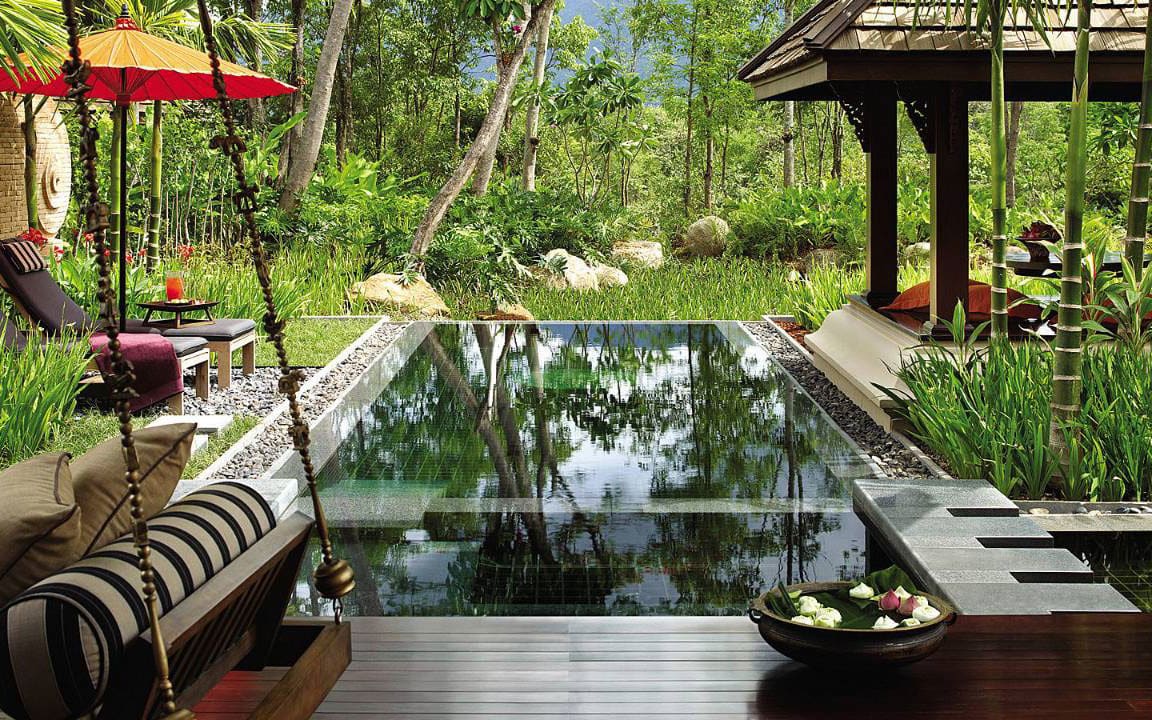
Pasar Malam Chiang Mai: 10 Tempat Terbaik Untuk Berbelanja
Pasar Malam Chiang Mai: 10 Tempat Terbaik Untuk Berbelanja – Bazaar malam di Chiang Mai menawarkan tempat belanja yang menarik bagi orang-orang, yang merupakan salah satu daya tarik malam hari terbaik kota untuk pelancong keluarga.
Pasar Malam Chiang Mai: 10 Tempat Terbaik Untuk Berbelanja
openchiangmai.com – Meskipun pasar ini menjual suvenir biasa, berbagai kerajinan tangan, dan makanan lezat; Variasi dan cakupannya luar biasa, dengan banyak pasar di berbagai bagian kota. Pasar yang luar biasa ini juga menawarkan pakaian dan perhiasan, menjadikannya salah satu tempat terbaik untuk berbelanja di Chiang Mai.
10 Pasar Malam Chiang Mai Terbaik
Artikel ini menyajikan daftar pasar malam paling menarik dan spektakuler di Chiang Mai yang wajib Anda kunjungi saat berkunjung ke kota yang menakjubkan di Thailand ini. Oleh karena itu, berikut adalah daftar beberapa pasar malam terbaik di Chiang Mai yang menawarkan berbagai hal dan itu juga dengan harga yang wajar.
1. The Night Bazaar
Salah satu tujuan belanja populer di antara semua pecinta belanja, Night Bazaar beroperasi setiap malam mulai pukul 18:00 hingga 22:30. Pada siang hari, tempat itu tetap dipenuhi dengan berbagai toko, restoran, serta gerai pizza, dan lokasi yang sama diubah menjadi Night Bazaar di malam hari. Baik barang branded maupun lokal seperti pakaian, barang elektronik, aksesoris, alat rumah tangga, dll bisa ditemukan di sini.
Baca Juga : 10 Tempat Menarik Untuk Dikunjungi Di Chiang Rai, Surga Murni Thailand
Lokasi: Jalan Chang Khlan, Chiang Mai, Thailand.
Spesialisasi: Makanan Cina di Daddy’s Pizza and Steakhouse Restaurant.
2. Kalare Night Market
Ini adalah salah satu pasar paling terkenal di Thailand, menawarkan berbagai artefak dan pilihan pakaian kepada sesama pengunjungnya. Orang yang mengunjungi pasar ini dapat dengan mudah berjalan-jalan di sini karena sangat jarang ramai.
Pengunjung dapat mengunjungi toko-toko, mencicipi masakan lezat yang ditawarkan di sini sambil menikmati pertunjukan tari Thailand serta pertunjukan boneka yang cukup populer di kalangan anak-anak.
Lokasi: Jalan Chang Khlan, Chiang Mai, Thailand.
Spesialisasi: Membuat sketsa wajah Anda oleh seniman sketsa.
3. Saturday Walking Street Market
Juga dikenal sebagai Pasar Wui Lai, Pasar Sabtu adalah pasar terkenal lainnya di Thailand yang terletak tepat di seberang gerbang Chiang Mai. Berbagai toko perak hadir di sini dan menawarkan patung dan barang perak yang menarik. Setiap Sabtu, kawasan sepanjang 1 km ini ditutup untuk lalu lintas sehingga para pengunjung dapat dengan mudah berkeliling berbagai toko dan membeli barang-barang yang mereka sukai.
Ada juga peralatan rumah tangga, ornamen kayu yang membangkitkan kegembiraan, seniman sketsa dengan bakat luar biasa, pengamen jalanan, lentera, lilin, dan toko pakaian.
Lokasi: Jalan Wu Lai, Chiang Mai, Thailand.
Spesialisasi: Mendapatkan Pijat Thailand serta mengunjungi 7 Eleven Supermarket.
4. Chang Puak Gate Night Market
Pasar Malam Chang Puak Hate sangat populer dan salah satu pasar terbaik di Chiang Mai. Hal ini terlihat dari banyaknya orang yang mengunjungi pasar ini setiap harinya. Dengan keramaian yang luar biasa serta berbagai barang seperti pakaian, artis jalanan, lilin, seniman sketsa, kedai makanan untuk membuat air liur Anda, ikat pinggang, lentera; ini adalah tempat yang ideal untuk semua orang yang suka berbelanja. Ada juga pedagang yang menjual makanan Thailand yang sangat lezat.
Lokasi: Prathu Chand Puak, Chiang Mai, Thailand.
Spesialisasi: Mendapatkan Pijat Thailand.
5. Kat Rin Kham Night Bazaar
Di antara pasar yang kurang dikenal dan paling diremehkan, Bazaar Malam Kat Rin Kham tentu saja merupakan pasar yang harus dikunjungi yang telah menjadi sangat populer di kalangan pelajar. Dengan warung makan, toko plastik, toko baju, studio tato, dll, hampir tidak ada yang tidak ditawarkan oleh pasar ini. Pasar tetap buka dari jam 6 sore hingga tengah malam dan menawarkan berbagai pilihan makanan lezat.
Lokasi: Di seberang pintu masuk utama Universitas Chiang Mai, Chiang Mai, Thailand.
Spesialisasi: Berbagai toko kerajinan dan makanan berkualitas ditawarkan di restoran-restoran di sini.
6. Warorot Market
Dalam jarak berjalan kaki dari Pasar Malam Chang Mai, Pasar Warorot adalah pasar luar biasa yang buka pagi-pagi sekali dan tutup pada malam hari. Ini adalah tempat terbaik untuk buah-buahan segar dan berair serta sayuran, bunga mekar, suvenir, kerajinan tangan dan roti lezat, dll. Camilan lokal serta manisan dari warung makan di pasar ini sangat populer dan sesuatu yang harus dicicipi oleh setiap turis setidaknya sekali.
Lokasi: Di samping sungai Ping, Chiang Mai, Thailand.
Spesialisasi: Camilan dan Permen di warung makan di sini.
7. Anusarn Night Market
Terletak di dekat Pasar Malam Chiang Mai, Pasar Malam Anusarn adalah tempat yang sangat menyenangkan untuk dikunjungi dan menghabiskan waktu. Pasar biasanya tetap tutup sepanjang hari dan dimulai pada malam hari.
Daya tarik utama pasar ini adalah makanan lezat dengan harga lebih murah yang ditawarkan di sini. Ada juga berbagai barang seperti pakaian, barang elektronik, barang hadiah, aksesoris, sepatu, dll yang ditawarkan di sini.
Lokasi: Jalan Chang Khlan, Chiang Mai, Thailand.
Spesialisasi: Pijat Ikan bersama dengan berbagai makanan yang ditawarkan.
8. Sunday Walking Market
Membentang lebih dari satu kilometer dari Phae Gate ke Ratchadamnoen Road, Sunday Walking Market terdiri dari berbagai toko seperti pakaian, dekorasi rumah, dan aksesoris. Bentangan satu kilometer, juga dikenal sebagai jalan pejalan kaki, tetap ditutup. Dan setelah matahari terbenam, pasar Minggu menjadi lebih baik dan menarik karena ada berbagai pertunjukan dan program tari yang diselenggarakan di sini.
Baca Juga : Pemenang Oscar Terbesar Film Peraih Oscar Terbaik Sepanjang Masa
Location: Ratchadamnoen Road, Chiang Mai, Thailand.
Spesialisasi: Pijat Kaki Thailand.
9. Sompet Market
Terletak di salah satu area pengemas tas tersibuk di Chiang Mai, tidak jauh dari Gerbang Chiang Mai, Pasar Sompet terkenal dengan kualitas dan variasi makanan yang ditawarkannya. Para pengunjung di sini disediakan hidangan lezat serta buah-buahan dan sayuran segar.
Itu terletak di pusat kota dan dengan demikian, membantu para wisatawan terhubung ke berbagai bagian kota dengan sangat cepat dan mudah dari sini. Ini adalah tempat yang tepat untuk mendapatkan buah dan sayuran segar.
Lokasi: Chiang Mai 50000, Chiang Mai, Thailand.
Spesialisasi: Makanan segar dan sayuran.
10. JJ Market
JJ adalah pasar modern yang menawarkan berbagai barang dan hidangan. Ada juga berbagai toko yang menjual segala sesuatu yang mungkin Anda butuhkan atau inginkan, mulai dari patung hingga furnitur yang akan merayu Anda.
Juga, produk buatan tangan membuat pasar ini sangat terkenal. Suasana damai di sini bersama dengan barang-barang asli, menjadikannya tempat yang harus dikunjungi oleh semua wisatawan dan karenanya menjadi salah satu bazar malam terbaik di Chiang Mai.
Lokasi: Chiang Phueak, Distrik Mueang Chiang Mai, Chiang Mai, Thailand.
Spesialisasi: Lingkungan yang tenang, bar dan restoran terkenal.
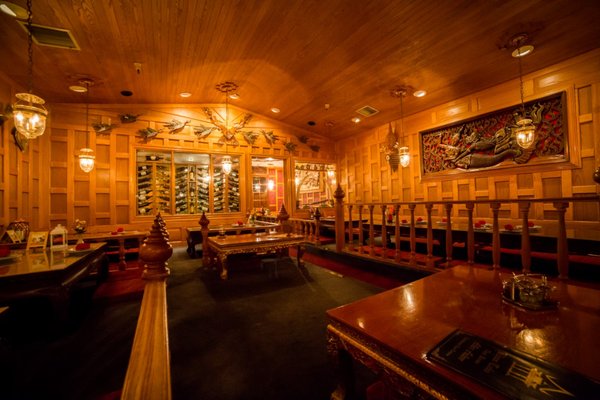
10 Tempat Menarik Untuk Dikunjungi Di Chiang Rai, Surga Murni Thailand
10 Tempat Menarik Untuk Dikunjungi Di Chiang Rai, Surga Murni Thailand – Kota Chiang Rai adalah kota terbesar paling utara di Thailand dan tetap menjadi kota kecil yang aneh hingga saat ini dengan suasana yang menyenangkan. Getaran kota yang membumi dan santai dilengkapi dengan banyak tempat bersejarah dan budaya untuk dikunjungi di Chiang Rai!.
10 Tempat Menarik Untuk Dikunjungi Di Chiang Rai, Surga Murni Thailand
openchiangmai.com – Ia memiliki rasa identitas Lanna yang kuat bahkan hingga hari ini, yang digambarkan melalui koleksi kuil, seni, bahasa, masakan, dan musiknya yang menakjubkan.
Baca Juga : Tempat Menginap Di Chiang Mai Panduan Hotel & Akomodasi Terbaik
Kunjungi Chiang Rai, hotspot turis yang berkembang secara bertahap untuk waktu yang tak terlupakan!
Tempat Teratas Untuk Dikunjungi Di Chiang Rai
Kami telah melakukan penelitian kami dan membuat daftar atraksi terbaik untuk Anda yang harus Anda kunjungi di kota ini pada tur Anda berikutnya di Thailand. Pastikan Anda memasukkan semua ini dalam rencana perjalanan Anda:
- Phu Chi Fah
- Golden Triangle
- Doi Tung
- Doi Mae Salong
- Phu Chi Fah
- Wat Rong Khun (White Temple)
- Chiang Khong
- Oub Kham Museum
- Mae Kok River
- Doi Din Dang Pottery
1. Phu Chi Fah
Jika Anda bertanya-tanya tentang hal-hal yang dapat dilihat di Chiang Rai, pergilah ke Phu Chi Fah yang merupakan tebing indah yang memberikan pemandangan pulau yang sangat menyenangkan dengan pantai dan pegunungannya. Jalan menuju tebing ini merupakan jalan menakjubkan yang penuh dengan flora dan mangrove yang akan membuat Anda senang sepanjang perjalanan. Datanglah ke sini bersama kekasih Anda dan pemandangan bunga-bunga cerah, puncak gunung, dan padang rumput yang subur akan membawa Anda berdua ke surga, terutama jika Anda mengunjungi Thailand pada bulan November-Januari.
Lokasi: Pegunungan Phi Pan Nam, tepi timur Distrik Thoeng, Provinsi Chiang Rai
Waktu: Buka sepanjang hari
2. Golden Triangle
Ini adalah salah satu tempat menarik Chiang Rai yang paling terkenal dan Anda tidak dapat menyelesaikan perjalanan Anda tanpa mengunjungi tempat ini. Lokasi ini terkenal karena berbatasan dengan tiga negara: Thailand, Laos, dan Myanmar, dan ketiganya bertemu di Sungai Mekong. Lokasi ini juga populer karena dulunya merupakan pusat budidaya opium di Thailand. Kunjungi Sop Ruak, daerah di mana sungai Mekong dan Ruak bertemu dan lihat sisa-sisa bangunan kuno yang tersisa dan tunjukkan sejarah gemilang dari mereka yang pernah menghuni tempat ini di masa lalu.
Lokasi: Desa Sob Ruak, Chiang Saen
Waktu: Buka sepanjang hari
3. Doi Tung
Salah satu tempat paling populer untuk dikunjungi di Chiang Rai dicintai oleh penduduk lokal dan turis. Ini bisa jadi karena pemandangan yang tidak nyata yang bisa disaksikan di sini dan banyak tempat menarik untuk dikunjungi seperti Istana Doi Tung (Pra Tamnak Doi tung), Taman Mae Fa Luang dan desa suku Akha dan Muser. Selain tempat-tempat tersebut, salah satu tempat terbaik untuk melihat di Chiang Rai termasuk Relik Suci Phra That Doi Tung yang pada dasarnya merupakan situs religi bersejarah yang terletak di puncak gunung.
Lokasi: Distrik Mae Fa Luang, Chiang Rai, Thailand
Waktu: 07.00 – 17.30
4. Doi Mae Salong
Salah satu puncak tertinggi dan salah satu tempat terbaik untuk dikunjungi di Chiang Rai terletak di sebuah ketinggian 1800 meter dan memiliki pemandangan paradaisicial. Tunggu kabut dan hirup udara dingin dan menyegarkan yang mengintai di sini sepanjang tahun. Doi Mae Salong juga memiliki makna sejarah karena merupakan rumah komunitas yang dihuni oleh bekas divisi Tionghoa. Hari ini, telah berubah menjadi hotspot turis dengan suasananya yang unik, makanan Cina asli yang lezat, wisma kecil, dan perkebunan kopi dan pohon buah-buahan.
Lokasi: Daen Lao Range, Chiang Rai
Waktu: 08.00 – 17.00
5. Phu Chi Fah
Salah satu tempat terbaik untuk dikunjungi di Chiang Rai, Thailand adalah Phu Chi Fah yang terletak di dalam Cagar Hutan Nasional Pa Mae Ing dan Pa Mae Ngao. Terletak di ketinggian kurang lebih 1.400 meter di atas permukaan laut dan digandrungi wisatawan, terutama pada musim dingin bulan November hingga Januari. Musim dingin melahirkan semak-semak cerah dan padang rumput luas di puncak ini menawarkan pemandangan Laos yang menakjubkan.
Lokasi: Distrik Thoeng, Chiang Rai
Waktu: 08.00 – 17.00
6. Wat Rong Khun (White Temple)
Pastikan Anda mengunjungi destinasi Thailand yang sangat populer ini saat bepergian ke Chiang Rai karena keindahannya yang luar biasa dan struktur kuilnya yang unik. Itu dirancang oleh seniman terkenal Ajarn Chalermchai Kositpipat, yang mendapat inspirasi dari bangsa, agama, dan rajanya untuk membangun mahakarya ini. Ada juga galeri di dekatnya yang memamerkan lukisannya dan harus dikunjungi di sepanjang sisi candi.
Lokasi: Mueang District, Chiang Rai
Waktu: 6:30 – 18.00
7. Chiang Khong
Perbatasan ke Laos dan tujuan populer terutama bagi mereka yang melakukan perjalanan melalui Chiang Khong dalam perjalanan ke Laos dan memutuskan untuk berhenti di sini. Beberapa tinggal di sini sebentar sedangkan beberapa ditarik oleh daya tarik magnet tempat ini untuk tinggal lebih lama. Meskipun tidak memiliki tempat wisata mewah yang besar, Chiang Khong adalah tempat terbaik untuk menikmati saat-saat terhibur dan suasana santai di Thailand.
Lokasi: Chiang Khong, Chiang Rai
Waktu: Buka sepanjang hari
8. Oub Kham Museum
Orang Thailand dikenal memiliki sedikit pengetahuan tentang warisan mereka sendiri, tetapi seorang guru dan seniman, Khun Julasak Suriyachai membuat perbedaan dalam hal ini. Dia mulai mengumpulkan karya seni terkenal Thailand dan mendirikan Pusat Konservasi Peninggalan Lanna, yang telah berkembang menjadi apa yang sekarang dikenal sebagai Museum Oub Kham.
Lokasi: Na Khai Rd., Rob Wiang Sub-District dekat pasar Den Ha
Biaya masuk per orang: 300 baht untuk dewasa | 100 baht untuk anak-anak
Waktu: 08.00 – 18.00
9. Mae Kok River
Salah satu atraksi terindah di Chiang Rai, Sungai Kok mengalir dari Thathon di Chiang Mai utara ke Kota Chiang Rai dan panjangnya bermil-mil jauhnya. Seseorang dapat naik perahu Ekor Panjang dan berlayar keliling kota sambil menikmati pemandangan indah di samping.
Lokasi: Mueang District, Chiang Rai
Biaya masuk: 900 – 1.000 Baht per satu jam
Waktu: 09.00 – 17.00
10. Doi Din Dang Pottery
Salah satu tujuan yang kurang dikenal di Chiang Rai dan salah satu keindahan yang belum dijelajahi adalah yang terletak di sekitar 1000 meter di atas permukaan laut. Titik ini sangat cocok untuk mereka yang suka berkemah dan menghabiskan waktu dengan alam.
Lokasi: Nang Lae, Mueang Chiang Rai District, Chiang Rai 57100
Waktu: 8:30 – 16:30
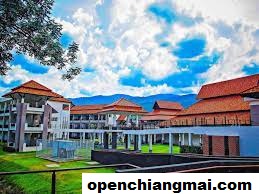
Tempat Menginap Di Chiang Mai Panduan Hotel & Akomodasi Terbaik
Tempat Menginap Di Chiang Mai Panduan Hotel & Akomodasi Terbaik – Chiang Mai dianggap sebagai ibu kota makanan dan budaya Thailand. Ini adalah kota terbesar kedua di Thailand (setelah Bangkok) dan sorotan dari setiap kunjungan ke negara yang menakjubkan ini. Jadi, pertanyaannya adalah, “di mana tinggal di Chiang Mai?
Tempat Menginap Di Chiang Mai Panduan Hotel & Akomodasi Terbaik
openchiangmai – Dan, apa saja hotel dan lokasi Chiang Mai terbaik untuk menikmati kota yang fantastis ini? Banyak orang mengunjungi Chiang Mai untuk menjelajahi kekayaan sejarahnya. Tentu saja, Anda dapat mengagumi Wats (kuil Buddha) yang indah dan reruntuhan kuno yang tersebar di sekitar kota dan sekitarnya, tetapi ada lebih banyak hal di Chiang Mai untuk menginspirasi kunjungan Anda.
Chiang Mai adalah Surga Pecinta Makanan
Percayalah, ini adalah surga pecinta makanan. Jadi, setelah Anda selesai menjelajahi hari itu, Anda dapat berharap untuk mencicipi masakan Thailand Utara yang fantastis. Nikmati berbagai makanan lezat di salah satu dari banyak pasar makanan terbaik dan restoran serta tempat makan terbaik di Chiang Mai. Tetapi kembali ke tempat tinggal di Chiang Mai, ada beberapa area dan pilihan.
Baca Juga : Hotel Butik Terbaik di Chiang Mai
Waktu terbaik untuk mengunjungi Chiang Mai
Dalam mencari tempat tinggal di Chiang Mai, Anda harus mempertimbangkan musim di Thailand Utara. Harga hotel terbaik di Chiang Mai akan bervariasi dari musim ramai hingga sepi. Jika Anda bepergian di musim sepi, Anda dapat mengharapkan untuk membayar sekitar 50% lebih sedikit di resor
Chiang Mai dan bahkan hotel bintang 5 di Chiang Mai. Iklim Thailand subtropis di sebagian besar negara, mengarahkan cuaca di Thailand ke kondisi panas dan lembab sepanjang tahun. Musim ramai di Thailand adalah dari November hingga April (langit cerah, suhu rata-rata 30 derajat Celcius). Musim sepi adalah dari Mei hingga Oktober (musim hujan).
Rekomendasi Budget, Mid Range, dan Hotel Mewah
Dalam panduan tempat menginap di Chiang Mai ini, kami akan membahas semua jenis hotel dan pilihan akomodasi terbaik di Chiang Mai yang sesuai dengan setiap anggaran. Anda dapat menemukan hostel untuk wisatawan yang sadar anggaran (atau super sosial), pilihan akomodasi kelas menengah dan bahkan beberapa hotel bergaya mewah di Chiang Mai.
Banyak hotel dan resor terbaik di Chiang Mai yang disebutkan di sini telah dipilih sebagai tempat terbaik untuk menginap di Chiang Mai karena berbagai alasan. Kami telah mempertimbangkan keterjangkauan, daya tarik, lingkungan Chiang Mai yang lebih cocok untuk pecinta makanan, keluarga, atau pengembara digital di Chiang Mai, dan banyak lagi.
Tempat Menginap di Chiang Mai
Di mana area terbaik untuk menginap di Chiang Mai? Itu pertanyaan yang bagus, dan jawabannya tergantung pada preferensi pribadi. Saya telah menghabiskan cukup banyak waktu di Chiang Mai dan saya telah tinggal di beberapa daerah berbeda. Saya seorang pecinta makanan dan budaya, dan saya suka tinggal di daerah sekitar Gerbang Utara di Kota Tua.
Saya menghabiskan beberapa waktu makan di sekitar lingkungan Nimman juga, daerah ini cukup modern. Keindahan memilih tempat tinggal di Chiang Mai adalah bahwa semua area memiliki sesuatu untuk ditawarkan. Mari bahas setiap area secara singkat di bawah ini. Saya telah memberikan rekomendasi tempat tinggal di Chiang Mai tergantung daerahnya.
Kota Tua – (Suasana lokal, tenang di malam hari)
Kota Tua Chiang Mai memang merupakan pusat budaya Chiang Mai. Ini memiliki sejarah yang menarik dan panjang, sejak provinsi ini bertindak sebagai ibu kota Kerajaan Lanna dari abad ke-13 -18. Kota Tua Chiang Mai menyerupai bentuk persegi, dengan tembok kota tua dan parit. Pecahan tembok kota kuno masih terlihat di seluruh Kota Tua, dan ada suasana tenang di dalam Kota Tua yang saya nikmati.
Jika Anda tertarik dengan budaya, agama, atau seni, Kota Tua adalah tempat menginap di Chiang Mai untuk menyelaminya sepenuhnya. Area ini memiliki konsentrasi kuil tertinggi di seluruh negeri, dengan 40+ kuil Buddha kuno di Kota Tua saja.
Sebagian besar budaya dan struktur yang kaya di Kota Tua dilestarikan di bawah undang-undang perlindungan dan konservasi. Tidak ada konstruksi besar yang diizinkan di area ini. Pencakar langit dan sejenisnya dilarang dekat dengan kuil. Oleh karena itu, saat memutuskan tempat menginap di Kota Tua Chiang Mai, akomodasi Anda akan memiliki karakter tetapi bukan pemandangan kota dari gedung pencakar langit di lantai 10.
Haruskah saya tinggal di Utara atau Selatan di Kota Tua?
Catatan: Saya telah mencantumkan dua area di bawah ini untuk tetap berada di dalam Kota Tua. Dibutuhkan sekitar 25 menit berjalan kaki dari Gerbang Utara ke Gerbang Selatan (percayalah, kami tetap dekat dengan Gerbang Utara dan melakukan perjalanan ini berkali-kali untuk menjelajahi lebih banyak Kota Tua). Area Gerbang Utara Kota Tua Chiang Mai terasa lebih sepi dibandingkan ujung Tenggara. Saya suka jalan-jalan kecil yang menawan, kafe-kafe independen kecil, dan toko-toko berseni.
Saya menikmati suasana di ujung Kota Tua ini, dan juga dekat dengan salah satu pasar malam terbaik, Pasar Malam Chang Phuak, yang dimulai pukul 5 sore setiap hari. Beberapa hidangan terbaik yang saya santap di Chiang Mai berasal dari pasar ini Anda dapat menemukannya di Panduan Makanan Chiang Mai saya. Ujung tenggara Kota Tua juga merupakan tempat yang bagus untuk menginap, dan sangat populer di kalangan wisatawan di daerah ini karena terdapat lebih banyak bar dan kehidupan malam di daerah ini dibandingkan dengan sisi utara.
(Utara) Gerbang Chang Phuak – Hotel Terbaik Kota Tua Chiang Mai
- Rena House – Pilihan utama saya untuk tempat tinggal di Chiang Mai, dan ini adalah salah satu yang paling terjangkau. Rena House menerima ulasan tamu sebelumnya yang luar biasa di Booking.com, dan mereka pantas mendapatkannya. Akomodasi ini berada di lokasi yang sempurna di Kota Tua, kurang dari 10 menit berjalan kaki ke Pasar Malam Chang Phuak yang fantastis dan kafe & restoran hebat lainnya.
- DP House – Lokasi fantastis, staf super bersih dan hebat. Pilihan anggaran yang populer saat mencari tempat menginap di Chiang Mai. Pilihan yang andal di Kota Tua.
- Chada Mantra Hotel – yang bersih dan nyaman di lokasi yang fantastis di Kota Tua. Properti memiliki kolam besar dan kamar keluarga tersedia (hingga 6 orang).Dalam jarak berjalan kaki ke pasar makanan, kafe, dan kuil. Pilihan yang dapat diandalkan dengan ulasan tamu sebelumnya yang sangat baik.
- Rich Lanna House – Pilihan bagus lainnya untuk akomodasi di Kota Tua. Kolam renang di properti untuk menenangkan diri setelah menjelajahi Chiang Mai dan singkat dari pasar utama dan tempat makan yang bagus.
- Arun Dara Villa – Vila dengan Kolam Renang Pribadi di properti ini istimewa! Jika Anda sedang merayakan acara khusus atau hanya ingin memanjakan diri sendiri, inilah tempat menginap di Chiang Mai untuk melakukannya! Kamar besar, semua fasilitas terbaik dan pada dasarnya oasis pribadi Anda sendiri. Ada opsi untuk menambahkan sarapan terapung, dan kami menyarankan Anda melakukannya.
- Lanna Tree Boutique Hotel – Hotel mewah dengan label harga yang sangat diinginkan. Properti ini memiliki tempat tidur super nyaman, kamar luas, staf fantastis, dan menerima ulasan positif secara konsisten. Di lokasi yang bagus di Kota Tua, Anda akan menyukai berenang di kolam renang di penghujung hari.
(Selatan) Gerbang Chiang Mai – Hotel Terbaik Kota Tua Chiang Mai
- OYO 799 Pudsadee Hotel – Bersih, nyaman, dan terjangkau – hotel ini menawarkan nilai terbaik bagi para tamu di lokasi yang strategis.
- Di Rumah Di Chiang Mai – Nyaman dan bersih, di lokasi yang bagus dan stafnya luar biasa. Pilihan anggaran yang bagus.
- Villa Lantara Chiangmai – Anda dapat menemukan kamar-kamar yang luas dan didekorasi dengan indah di properti yang indah ini. Lokasi yang sangat baik dekat dengan Gerbang Chiang Mai dan sorotan lainnya di Chiang Mai.
- El Barrio Lanna – Properti berperingkat teratas di lokasi yang fantastis, dekat dengan pasar malam dan tempat menarik di Chiang Mai. Hotel yang luar biasa ini menawarkan kolam renang luar ruangan yang menakjubkan dan mereka juga menyediakan kamar keluarga.
- Chala Number 6 – Hotel fantastis di jantung Kota Tua Chiang Mai. Properti ini menawarkan kolam renang, taman yang indah, dan sarapan prasmanan sudah termasuk dalam tarif.
- Makkachiva – Elegan, modern, dan nyaman properti ini disukai banyak orang. Lokasi yang fantastis, fasilitas yang luar biasa, dan sambutan hangat yang konsisten dari tamu sebelumnya, pilihan yang cocok untuk tempat menginap di Chiang Mai.
Tepi sungai Chiang Mai
Ada sesuatu yang menenangkan tentang tinggal di daerah Chiang Mai ini. Jadi, jika Anda ingin menghindari lalu lintas yang padat dan menemukan area yang lebih mewah untuk menginap dengan pemandangan menakjubkan dan restoran Thailand dan internasional yang luar biasa, area ini cocok untuk Anda.
Mengapa tidak melihat sisi lain dari Chiang Mai dan naik perahu dengan lembut di Sungai Mai Ping. Tamasya berpemandu setengah hari ini berakhir di pertanian setempat di mana metode tradisional digunakan untuk membuat semangkuk mi ‘khao soi’ Anda untuk makan siang. Penjemputan dan pengantaran hotel sudah termasuk.
Lingkungan Nimman – ( Nimmenhaemin Rd)
Dikenal sebagai ‘Nimman’, area ini telah mendapatkan popularitas selama bertahun-tahun bagi pengembara digital, pekerja jarak jauh, dan pengusaha di Chiang Mai. Undian terbesar adalah berbagai restoran internasional dan Thailand Utara yang luar biasa. Selain itu, jumlah tempat kopi dan pemanggang roti yang trendi untuk mendapatkan secangkir kopi yang sempurna sangat banyak, dan semua yang Anda perlukan di Chiang Mai ada di sini, terletak di sepanjang Nimmenhaemin Rd. Bisa dibilang lingkungan ini juga terasa muda, hipster, dan trendi. Lokasinya tepat di belakang Universitas Chiang Mai, sehingga populer di kalangan mahasiswa siang dan malam.
Bonus lainnya adalah pusat perbelanjaan Maya hanya berjarak 10 menit berjalan kaki, sangat nyaman bagi para pelancong yang ingin berbelanja saat berada di sini. Untuk menjawab pertanyaan tentang tempat menginap di Chiang Mai bagi pecinta makanan dan pelancong yang suka jalan-jalan di malam hari, maka Nimman adalah pilihan yang baik. Akomodasi lebih mahal di sini daripada di Kota Tua, tetapi Anda dapat menemukan beberapa hotel modern menawan atau hotel bintang 5 Chiang Mai yang menakjubkan yang Anda impikan.
Pasar Malam Chiang Mai
Tempat menginap di Chiang Mai di daerah yang relatif sepi tetapi cukup dekat untuk berjalan kaki ke kehidupan malam yang semarak di Chiang Mai? Disini. Lokasi ini tidak terlalu jauh dari pintu masuk Gerbang Phae yang terkenal ke Kota Tua; ini adalah area yang populer dengan keluarga karena ada banyak hal yang harus dilakukan untuk hiburan dan banyak pilihan makanan. Saya akan mengatakan itu adalah salah satu area terbaik untuk pilihan makanan jalanan yang berbeda.
Distrik perbelanjaan pusat sudah dekat. Area ini dianggap sebagai area ‘pusat kota’ di Chiang Mai, jadi kemungkinan akan ramai. Area ini hanya berjarak 10 menit berjalan kaki dari area Riverside yang telah saya sebutkan di atas. Daerah ini lebih dekat dengan Kota Tua, jadi cocok untuk beberapa pelancong memesan akomodasi di sini. Jika ini terdengar seperti area ideal Anda untuk menginap di Chiang Mai, berikut adalah pilihan hotel Chiang Mai terbaik untuk setiap anggaran.
Merencanakan Lebih Banyak Perjalanan di Thailand atau Asia Tenggara?
Chiang Mai dikemas dengan makanan yang luar biasa! Jangan lewatkan mencoba hidangan terbaik saat Anda berada di sini dan lihat daftar lezat saya dari 15 Tempat Makan Terbaik di Chiang Mai. Anda juga dapat menikmati membaca kami 26 Tips Perjalanan Terbaik untuk Thailand. Terkadang sangat membantu untuk mengetahui detail kecil sebelum tiba di negara baru dan Anda dapat menemukan semuanya di pos ini. Ada alasan mengapa para pelancong memilih Thailand untuk liburan mereka berikutnya, Thailand memiliki segalanya! Pantai, kota, gunung, dan semua yang ada di antaranya.
Tapi, kami telah mempersempitnya menjadi 15 hal LUAR BIASA yang harus dilakukan di Thailand bagi mereka yang tidak dapat memutuskan ke mana harus pergi selanjutnya. Dan, jangan lupa tentang tetap terhubung di luar sana. Kami menyarankan Anda mendapatkan eSIM untuk Thailand . Dan jika Anda berencana untuk bepergian ke beberapa negara di Asia, maka paket data eSIM Global adalah solusinya . Untuk lebih banyak saran perjalanan terbaik kami, tip dan cara kami menghemat uang untuk terus berkeliling dunia, lihat Halaman Sumber Daya Perjalanan kami .
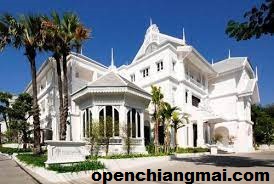
Hotel Butik Terbaik di Chiang Mai
Hotel Butik Terbaik di Chiang Mai – Chiang Mai adalah pusat budaya Thailand yang santai perpaduan memukau antara kuil kuno, kafe trendi, galeri seni, pasar malam, dan hotel butik.
Hotel Butik Terbaik di Chiang Mai
openchiangmai – Berikut adalah beberapa yang terbaik yang dapat Anda pesan sekarang dengan Perjalanan Budaya.
Rumah Dalam
31 kamar dan suite mewah di The Inside House terbungkus dalam warna putih, hijau, dan emas, dan memiliki teras dengan bak berdiri bebas, mesin espresso, dan perlengkapan mandi L’Occitane; hampir setengah dari mereka memiliki kolam berendam pribadi. Sederet bar koktail keren berjejer di jalan di luar jika Anda dapat melihat melewati tupai taksidermi, Nophaburi Bar adalah tempat terbaik untuk minum larut malam.
Baca Juga : 10 Tempat Menginap Terbaik di Chiang Mai
Resor Butik Romantis NA NIRAND
Dengan kisi-kisi kayu berornamen, tekstil suku bukit, serta lantai dan furnitur kayu jati gelap, NA NIRAND memadukan gaya, kenyamanan, dan warisan dengan selera tinggi. Kolam taman dan spa akan menggoda Anda untuk tetap berada di dalam kompleks, tetapi satu atau dua tamasya sangat penting. Resor butik ini terletak di tepi Sungai Ping, di sebelah kuil Buddha berlapis emas, Wat Chai Mongkhon; pusat bersejarah Chiang Mai berjarak 20 menit berjalan kaki ke arah barat.
Rachamankha Boutique Hotel
Langit-langit tinggi, beranda teduh, dan halaman bertiang tidak mengherankan jika Rachamankha dimiliki oleh arsitek lokal. Mr Ong-ard Satrabhandu telah menciptakan ode untuk warisan Asia, mengisi hotel butik dengan seni Thailand dan barang antik Cina, ditambah perpustakaan yang diisi dengan lebih dari 2.000 buku tentang sejarah, arsitektur, dan banyak lagi. Ingin membawa pulang karya seni? Naik tuk-tuk ke Hang Dong, 14 km (9 mil) selatan kota tua, untuk berbelanja barang antik terbaik di Chiang Mai.
Villa Mahabhirom
14 vila jati panggung (dipulihkan dan dipindahkan dari Thailand tengah) di Villa Mahabhirom memiliki ruang tamu berdinding kaca dan kamar tidur lantai atas yang nyaman dengan kamar mandi marmer. Hotel ini agak jauh dari pemandangan utama Chiang Mai, tetapi bandara dekat dengan nyaman, dan kuil Wat Umong, dengan labirin terowongan dan gua abad ke-13, terletak di kaki bukit berhutan gunung Doi Suthep hanya 10 menit. pergi. Jangan lewatkan jam koktail di tepi kolam berubin onyx.
Akyra Manor Chiang Mai
Akyra Manor berada di lingkungan pelajar Nimman yang trendi, dekat universitas, tepat di sebelah barat kota tua parit. Resapi cakrawala pegunungan dari rooftop bar atau dinginkan diri dengan berenang di kolam renang. Hotel dapat mengatur tur fotografi dan kelas memasak tetapi Anda mungkin hanya ingin berjalan-jalan di jalan-jalan yang dipenuhi kafe menuju banyak kuil kota yang memesona (cobalah Wat Lok Moli sebagai permulaan).
Warisan Raya
Desain boho-chic di Raya Heritage memberi lebih dari sekadar anggukan pada warisan Lanna Thailand utara, dengan banyak kursi rotan, kain tenun tangan, dan seni dinding kayu jati berukir. Suite memiliki kamar mandi besar dengan bak berdiri bebas, dan balkon yang menghadap ke Sungai Ping. Bersantailah dengan sesi uap herbal dan pijat bambu panas di spa atau naiki salah satu dari empat angkutan gratis setiap hari ke kota tua (15 menit berkendara ke selatan) untuk mengunjungi kuil dan berbelanja di butik.
Hotel Desa Asam
Dibangun di sekitar pohon asam berusia 200 tahun, Tamarind Village adalah tempat perlindungan yang hijau dan tenang dengan kolam renang, terletak di pusat kota tua Chiang Mai. Kamar dengan pemandangan taman menampilkan tekstil suku bukit dan dekorasi buatan tangan Anda dapat mempelajari kerajinan tradisional seperti melipat daun pisang dan melukis payung kertas di sesi aktivitas harian. Tingkatkan perendaman budaya Anda dengan mengunjungi dua kuil kuno paling mengesankan di kota, Wat Chedi Luang dan Wat Phan Tao, yang hanya berjarak beberapa menit.
Lanna Hotel
Kamar-kamar di De Lanna Hotel memiliki perabotan kayu jati ukiran tangan dan balkon yang menghadap ke taman bagian dalam, lengkap dengan kolam ikan koi dan kolam air asin. Pemandangan kota tua yang penting seperti Wat Phra Singh yang berkilauan dan pasar malam Minggu yang ramai praktis berada di depan pintu Anda. Jika Anda pecinta makanan, lakukan perjalanan sehari ke pinggiran pedesaan untuk mengikuti tur pasar desa dan kelas memasak di Sekolah Memasak Thai Organik Sammy.
137 Pilar Rumah
Inti dari 137 Pillars House adalah kolam yang menarik perhatian, diapit oleh dinding tanaman merambat yang menjulang tinggi. Lalu ada rumah jati abad ke-19 yang berada di jantung hotel, yang dulunya merupakan markas Perusahaan Perdagangan Borneo. 30 suite adalah beberapa yang paling mewah di Chiang Mai, dengan tempat tidur 4 tiang, pancuran terbuka, dan bak mandi gulung berdiri bebas. Berjalanlah ke selatan di sepanjang tepi timur Sungai Ping sebelum berbelok ke kanan untuk mencapai Bazaar Malam.
Tenang Bodhi
Kolam renang atap di Bodhi Serene adalah salah satu yang terbaik di kota tua Chiang Mai. Di lantai bawah, kamar-kamar dengan lantai kayu keras dan bak mandi bundar menghadap ke taman halaman yang rimbun. Populer dengan selfie-taker (dan merpati), Gerbang Tha Pae – bagian tembok kota kuno yang terpelihara dengan baik – hanya berjalan kaki singkat dari hotel; datanglah di malam hari untuk menemukan live band yang memainkan musik dan banyak penjual makanan jalanan.
Dhara Dhevi Chiang Mai
Mencakup 24ha (60 acre) taman terawat yang dihiasi dengan sawah, kolam teratai, pohon kamboja, dan dua kolam raksasa, The Dhara Dhevi adalah sebuah karya seni. Spa – menyerupai hiasan kuil Burma sangat memesona, dengan 25 ruang perawatan tempat Anda dapat digosok, dikukus, dan dimanjakan. Vila jati dua lantai dan suite bergaya kolonial sama-sama mewah, menampilkan teras pribadi yang besar dan area
Kamar Mo
Anda tidak akan lupa menginap di Kamar Mo. Masing-masing dari 12 kamarnya yang unik mewakili interpretasi seniman tentang zodiak Cina dari tikus hingga babi. Dengan segala sesuatu mulai dari tempat tidur sarang buatan tangan hingga kamar mandi hitam legam, paling tidak mereka unik. Ada kolam renang kecil di halaman, tetapi lebih baik Anda bersantai di kafe di sepanjang Thapae Road. Pasar Malam Chiang Mai berada sangat dekat.
Ping Nakara Boutique Hotel & Spa
Butik putih cerah ini baru dibangun pada tahun 2009, tetapi memberi penghormatan kepada masa lalu dengan arsitektur kolonial yang dipengaruhi Lanna dan Thailand dan trim kayu bergaya gingerbread yang rumit. Ada kolam halaman yang indah dan spa Ayurvedic, dan bistro tepi sungai di sebelahnya menyajikan teh sore yang luar biasa. Pasar dan kuil di pusat bersejarah berjarak 20 menit jalan kaki.
Untuk yang lebih sadar lingkungan, cobalah menginap di salah satu penginapan ramah lingkungan terbaik di Chiang Mai. Atau, karena Chiang Mai sering disebut sebagai ibu kota budaya Thailand, mengapa tidak memesan hotel dari daftar tempat menginap terbaik kami untuk budaya di kota? Untuk beberapa opsi ramah anggaran, temukan panduan kami ke hostel backpacker terbaik di Chiang Mai dan pesan sekarang di Perjalanan Budaya.
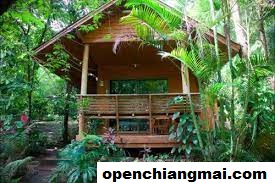
10 Tempat Menginap Terbaik di Chiang Mai
10 Tempat Menginap Terbaik di Chiang Mai – Hot spot pariwisata Thailand Utara, Chiang Mai adalah kota yang terkenal dengan kuil, kota tua, dan pasar Night Bazaar yang terkenal dan juga dipenuhi dengan hotel untuk semua anggaran dan gaya wisatawan. Jadi, apakah Anda mengunjungi kota kuno ini untuk merayakan bulan madu yang romantis atau sebagai keluarga yang ingin mengajari anak-anak tentang budaya lain, Chiang Mai menawarkan banyak tempat untuk berbaring di malam hari.
10 Tempat Menginap Terbaik di Chiang Mai
openchiangmai – Dari anggaran hingga kemewahan, sebagian besar properti terletak tepat di kota tua atau di luarnya, dengan hampir semuanya berjalan kaki kurang dari 30 menit dari salah satu atraksi paling terkenal, Night Bazaar. Banyak properti juga terletak di sepanjang Sungai Ping, yang merupakan daya tarik sampingan yang indah.
Jika Anda sedang mencari hotel di tepi sungai dengan kemewahan, lihatlah Anantara Chiang Mai Resort atau 2 Chiang Mai Riverside Resort, yang keduanya juga memiliki pesona Chiang Mai lainnya: daya tarik artistik. Untuk pengalaman menginap di sungai yang lebih terjangkau, properti seperti Chiang Mai Siam memanjakan para tamu.
Baca Juga : 11 Tips Restoran Makanan Yang Wajib Dicoba Di Chiang Mai
Terakhir, jangan kaget dengan betapa kecilnya sebagian besar properti: baik anggaran maupun mewah, hampir semua hotel yang tercantum di sini akan diklasifikasikan sebagai butik atau wisma jika dilihat dari ukurannya. Temukan tempat yang tepat untuk liburan Anda berikutnya dengan daftar tempat menginap terbaik kami di Chiang Mai.
1. Rumah 137 Pilar Chiang Mai
Butik 137 Pillars House, di sebuah bangunan yang berasal dari tahun 1889, hanya memiliki 30 suite, yang semuanya luas dan nyaman serta memadukan arsitektur bersejarah Thailand dengan desain kontemporer. Terletak di distrik Gerbang Wat yang berseni, yang hanya berjarak 15 menit berjalan kaki dari Night Bazaar, properti mewah ini memiliki suasana romantis yang berbeda yang sangat cocok untuk pasangan.
Jauh dari kamar, fasilitasnya termasuk kolam renang lintasan sepanjang 25 meter yang dikelilingi oleh kursi berjemur dan sala relaksasi pribadi. Juga di tempat adalah sekolah memasak, spa, gym, dan restoran. Sarapan sudah termasuk dalam tarif dan dimasak sesuai pesanan.
2. Resor Anantara Chiang Mai
Pilihan mewah populer lainnya, Anantara Chiang Mai Resort memiliki lokasi yang sangat baik tepat di Night Bazaar dan di Sungai Ping dan menampilkan arsitektur kontemporer modern di seluruh areanya. Kamar-kamar yang ditata apik luas dan memiliki jendela setinggi langit-langit dengan balkon pribadi berperabotan menghadap ke sungai dan banyak elemen desain kayu.
Hotel ini ramah keluarga, dan tempat tidur bayi dan tempat tidur tambahan untuk anak-anak dapat diatur (terkadang dengan biaya tambahan). Pengasuhan anak juga tersedia. Jauh dari kamar, fasilitas termasuk restoran mewah, spa, dan kolam renang yang indah dengan pemandangan sungai yang lebih menakjubkan.
3. Resor Tepi Sungai Chiang Mai X2
Tepat di Sungai Ping, X2 Chiang Mai Riverside Resort yang mewah merupakan perpaduan antara desain Thailand modern dan tradisional dan merupakan properti butik dengan hanya 30 suite canggih. Ini memiliki tampilan modern namun minimalis yang berseni dan menampilkan dinding beraksen cerah, bingkai tempat tidur arang, dan karpet bergaris hitam-putih.
Fasilitas di tempat termasuk halaman yang indah dengan pohon asam berumur 100 tahun dan kolam renang dan pusat kebugaran di puncak gedung, yang menghadap ke sungai. Ada juga spa dan restoran mewah. Properti ini merupakan pilihan populer bagi pasangan muda yang sedang berbulan madu.
4. Resor Butik Romantis Na Nirand
Properti butik mewah lainnya tepat di Sungai Ping yang melayani pasangan, Na Nirand juga memiliki lokasi yang bagus dalam jarak berjalan kaki dari Night Bazaar. Dekorasi di suite yang luas dan nyaman ini mencerminkan era kolonial dengan sentuhan gaya modern.
Harapkan banyak warna dan perabotan buatan tangan, serta linen kelas atas di tempat tidur yang nyaman; lantai kayu yang dipoles; dan, dalam beberapa kasus, balok langit-langit kayu gelap. Semua kamar memiliki balkon dan area tempat duduk, dan beberapa di antaranya memiliki bak cakar di kamar mandi.
Fasilitas di tempat termasuk restoran mewah yang menghadap ke sungai dan menyajikan hidangan internasional, serta kolam renang outdoor, gym, dan spa. Ada juga tempat parkir gratis jika Anda bepergian dengan mobil.
5. Four Seasons Resort Chiang Mai
Sekitar 30 menit berkendara dari kota, di tengah pegunungan yang mengelilingi Lembah Mae, Four Seasons Resort Chiang Mai yang tenang membenamkan para tamu dalam lanskap subur dan aktivitas budaya yang bermanfaat.
Pengalaman gajah, kelas memasak Thailand, dan wisata seni dipesan lebih dahulu adalah beberapa penawaran di sini, dan para tamu juga dapat mendaftar untuk naik balon udara dan tamasya ke air terjun, kuil, dan peternakan terdekat.
Akomodasi berada di paviliun dan vila Thailand yang menakjubkan dan luas, serta tempat tinggal pribadi dengan beberapa kamar tidur, yang cocok untuk rombongan besar. Fitur khas termasuk kain mewah, barang antik Siam, dan lukisan asli, serta pemandangan sawah zamrud dan puncak gunung yang jauh.
Tiga restoran di tempat fokus pada masakan Thailand Utara, dan fasilitas serta layanan lainnya termasuk jalur alam, aktivitas keluarga dan anak-anak, spa dengan layanan lengkap, dan antar-jemput ke kota Chiang Mai.
6. Dan Hapus Meridian
Dengan pemandangan Pegunungan Doi Suthep dari 383 kamar dan suite-nya, Le Meridien adalah hotel mewah terbaik di Chiang Mai. Dekorasinya merupakan perpaduan gaya Lanna Eropa dan lokal, dan akomodasinya bersih dan nyaman.
Lokasinya juga bagus, tepat di sebelah bazaar malam. Fasilitas di sini termasuk kolam renang, restoran, dan ruang olahraga. Ada transportasi bandara yang tersedia, serta parkir valet. Jika Anda bepergian dengan anak-anak, hotel ini ramah keluarga.
7. Hotel Shangri-La
Shangri-La Hotel adalah properti bintang 5 di lokasi pusat, sekitar 10 menit berjalan kaki dari Night Bazaar, Gerbang Tha Phae, dan Sunday Walking Street. Kamar dan suite dilengkapi dengan baik dengan dekorasi Thailand Utara dan fasilitas modern, termasuk TV layar datar dan menu bantal. Tempat tidur ditutup dengan selimut bulu.
Fasilitas termasuk spa terkenal yang menawarkan berbagai layanan, mulai dari pijat hingga perawatan kecantikan. Ada juga beberapa restoran berbeda di tempat termasuk satu yang menyajikan hidangan asli Szechuan dan Kanton. Hotel ramah keluarga ini memiliki kolam besar dengan seluncuran air yang akan dinikmati anak-anak.
8. Akyra Manor Jelas
Di lokasi yang fantastis di Jalan Nimmanhaemin, Akyra Manor adalah pilihan butik mewah yang melayani kerumunan orang yang berseni dan penuh dengan instalasi seni dan pencahayaan desainer. Lingkungan ini terkenal dengan kafe pinggir jalan, butik eklektik, dan truk makanan, serta dekat dengan objek wisata utama kota, seperti Bazaar Malam dan kuil.
Ada 30 suite dengan lantai kayu keras, dinding cermin, dan tempat tidur yang sangat nyaman yang memiliki pengaturan kamar mandi dalam-luar ruangan yang unik. Fasilitas di tempat termasuk kolam renang di puncak gedung, restoran, pusat kebugaran, dan penggunaan sepeda gratis selama Anda menginap.
9. Ping Nakara Boutique Hotel & Spa
Ping Nakara bergaya kolonial menampilkan arsitektur roti jahe yang indah dengan ukiran kayu jati tepat di lingkungan Wat Ket dan merupakan pilihan yang indah jika Anda mencari kemewahan yang terjangkau.
Hotel ini memiliki perabotan buatan tangan di kamar-kamar kontemporernya yang elegan, yang dilengkapi dengan area tempat duduk dan sering kali balkon yang menghadap ke area taman. Beberapa kamar juga memiliki bak jacuzzi.
Jika Anda bepergian dengan anak kecil, ini adalah pilihan yang baik karena anak di bawah dua tahun dapat menginap dengan orang tua tanpa biaya tambahan. Sarapan prasmanan juga termasuk, dan ada restoran yang lapang untuk menikmatinya atau makanan lainnya. Fasilitas di tempat juga mencakup spa dan kolam renang.
10. Tepi Sungai Chiang Mai
Di Sungai Ping, Tepi Sungai Chiang Mai adalah properti semua suite yang menawarkan kemewahan yang terjangkau untuk keluarga dan pasangan. Ini fitur suite satu dan dua kamar tidur, yang dibuat dengan gaya modern dan chic dengan banyak warna netral.
Semua dilengkapi dengan ruang keluarga terpisah, ruang makan, dapur, dan bahkan mesin cuci/pengering.Jauh dari kamar, fasilitasnya meliputi kolam renang outdoor, gym, dan restoran trendi di sungai. Layanan binatu juga tersedia di tempat.
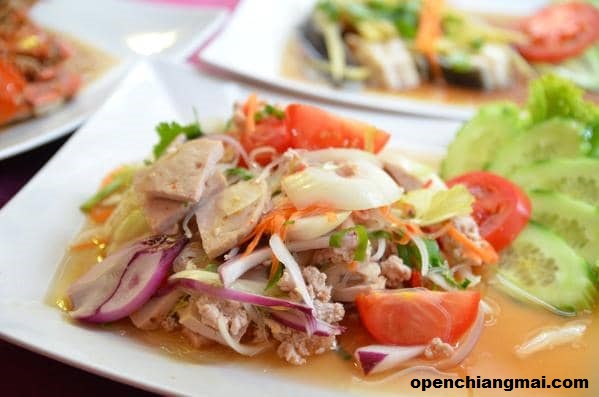
11 Tips Restoran Makanan Yang Wajib Dicoba Di Chiang Mai
11 Tips Restoran Makanan Yang Wajib Dicoba Di Chiang Mai – Seperti Bangkok , Chiang Mai adalah salah satu tujuan wisata paling populer di Thailand. Ini menerima jutaan pengunjung setiap tahun dan tanpa diragukan lagi merupakan kota yang paling banyak dikunjungi di Thailand Utara.
11 Tips Restoran Makanan Yang Wajib Dicoba Di Chiang Mai
openchiangmai – Dengan begitu banyak turis yang berbondong-bondong ke Chiang Mai setiap tahun, tidak mengherankan jika kota ini memiliki banyak restoran untuk dipilih. Kami ingin menemukan restoran terbaik di kota, jadi kami memeriksa blog makanan Chiang Mai dan situs web ulasan kerumunan untuk mengetahui di mana menemukan contoh terbaik hidangan lokal seperti khao soi , kai yang , dan suki .
Juga termasuk restoran paling populer di kota ini warung kaki lima sederhana yang menawarkan kaki babi rebus oleh Cowboy Hat Lady yang legendaris! Jika Anda menuju utara dan bertanya-tanya ke mana Anda bisa pergi untuk mendapatkan makanan terbaik di Chiang Mai, maka Anda datang ke tempat yang tepat.
Baca Juga : 15 Warung Makanan Jalanan Terbaik di Chiang Mai,Thailand
Restoran Chiang Mai Terbaik
1. Khao Soi Khun Yai
Khao soi adalah makanan favorit Chiang Mai berupa mie telur yang renyah dan lembut dalam saus krim seperti kari yang dibuat dengan santan. Biasanya dibuat dengan ayam atau sapi, tetapi beberapa restoran menawarkan versi dengan daging babi, udang, atau ikan juga. Khao soi biasanya disajikan dengan irisan bawang merah, acar kubis, dan irisan jeruk nipis. Jika Anda suka, Anda bisa mencampurkan sebungkus kulit babi ke dalam khao soi Anda agar lebih renyah.
Ketika saya memikirkan makanan terbaik di Chiang Mai, khao soi adalah hidangan pertama yang saya pikirkan. Ini adalah hidangan Thailand utara yang penting sehingga setiap daftar makanan Chiang Mai yang harus dicoba harus dimulai dengan khao soi. Kami memilikinya beberapa kali di Chiang Mai dan Chiang Rai , dan versi di sini di Khao Soi Khun Yai sejauh ini adalah favorit kami.
Saya tidak melihat tanda-tanda Khao Soi Khun Yai, jadi lihatlah tempat terbuka ini segera setelah Anda keluar dan belok kiri dari Gerbang Utara Kota Tua. Itu akan berada di sebelah kiri Anda melalui gerbang kecil. Khao Soi Khun Yai populer dan buka hanya dari pukul 10:00-14:00, jadi cobalah datang lebih awal untuk menghindari kehabisan makanan.
2. Khao Kha Moo Chang Phueak (Wanita Topi Koboi)
Jika khao soi adalah hidangan paling terkenal di Chiang Mai, maka warung makan ini bisa dibilang yang paling terkenal. Penjaga kios adalah wanita badass ini mengenakan topi koboi 10 galon. Dikenal sebagai Wanita Topi Koboi, dia digambarkan sebagai institusi Chiang Mai dengan reputasi melayani beberapa khao kha moo terbaik di kota. Khao kha moo adalah kaki babi rebus yang dimasak dengan lima bumbu Cina dan disajikan di atas nasi dengan telur rebus.
Dari saat kiosnya buka pada jam 5 sore, kiosnya selalu dibanjiri oleh orang-orang yang ingin memperbaiki khao kha moo mereka. Dan bukan hanya orang yang berjalan kaki. Mobil dan sepeda motor akan berhenti di pinggir jalan dan mengambilkan makanan untuknya! Tidak diragukan lagi ini adalah salah satu restoran paling populer di Chiang Mai. Ini pesanan kecil khao kha moo yang terkenal dari Cowboy Hat Lady. Ini sedikit manis dan sangat lembut, begitu lembut sehingga Anda bisa melepaskan daging dari tulang hanya dengan memukul meja! Jangan lewatkan makanan klasik Chiang Mai ini.
3. Suki Koka
Terletak di cluster warung makan yang sama dengan Cowboy Hat Lady, semangkuk suki Thailand ini adalah salah satu makanan favorit Ren di Chiang Mai. Disajikan basah atau kering, suki Thailand Suki Koka terdiri dari sayuran yang dimasak dengan mie kacang hijau dan campuran makanan laut atau daging pilihan Anda. Seperti Khao Kha Moo Chang Phueak, ini adalah salah satu restoran Chiang Mai yang paling populer. Jangan pergi tanpa makan di keduanya.
Suki Koka membuat suki Thailand mereka dengan tumpukan kubis yang dimasak sebentar dalam wajan dengan api besar, menjaganya tetap renyah sambil memberikan rasa smokey wok hei yang luar biasa. Ren memiliki versi kering ini dengan daging babi (suki haeng moo). Itu benar-benar nikmat, terutama saat dimakan dengan saus suki yang menurut Ren adalah bagian terbaik dari hidangan tersebut.
4. Ayam Panggang Cherng Doi
Jika Anda ingin kai yang (ayam panggang), maka Cherng Doi harus berada di urutan teratas daftar Anda. Ini adalah hidangan Isan yang populer di seluruh Thailand. Ayam utuh dibelah dua dan ditumbuk rata sebelum direndam kemudian dipanggang perlahan di atas api arang rendah. Bersama dengan SP Chicken, Cherng Doi Roast Chicken sering disebut-sebut sebagai salah satu restoran terbaik di Chiang Mai yang memiliki kai yang.
Keduanya fantastis, tapi saya lebih suka Cherng Doi. Kai yang adalah hidangan Isan sehingga biasanya dimakan dengan som tam (salad pepaya hijau) dan ketan. Dagingnya empuk dan juicy dengan kulit yang renyah. Ini sedikit manis dari bumbunya dan sangat cocok dengan keasaman dari som tam dan kenyalnya ketan. Lezat!
5. Kiat Ocha
Jika Anda suka nasi ayam Hainan , maka Anda perlu makan di Kiat Ocha. Buka sejak tahun 1957, mereka telah mengkhususkan diri dalam hidangan Cina Selatan ini selama lebih dari 60 tahun sekarang. Nasi ayam Hainan terdiri dari ayam rebus utuh yang disajikan dengan nasi berminyak (dimasak dengan lemak ayam) dan sup kaldu ayam, bersama dengan cabai merah dan bawang putih yang baru dicincang, kecap hitam, dan jahe yang baru digiling.
Kiat Ocha juga merupakan salah satu restoran Chiang Mai yang paling populer sehingga penuh dengan orang-orang ketika kami berada di sana. Mereka hanya buka sampai jam 3 sore jadi ini adalah restoran yang bagus untuk makan siang nasi ayam yang enak. Ren dan saya sudah makan siang sebelum datang ke sini sehingga kami hanya bisa mengatur set khao man kai kecil, tetapi dua orang dengan perut kosong dapat dengan mudah berbagi yang besar, bahkan mungkin jumbo.
Jika Anda penggemar sate, maka Anda akan senang mengetahui bahwa Kiat Ocha sama terkenalnya dengan satenya seperti halnya nasi ayam Hainannya. Berasal dari Indonesia, sate mengacu pada keluarga daging yang dibumbui, ditusuk, dan dipanggang yang disajikan dengan saus, paling umum saus kacang. Ini adalah hidangan populer di banyak negara di Asia Tenggara.
6. Makan Malam Khantoke di Pusat Kebudayaan Old Chiang Mai
Jika Anda ingin menikmati budaya dalam makanan Anda, pastikan untuk menikmati makan malam khantoke di Pusat Kebudayaan Old Chiang Mai. Khantoke adalah makan siang atau makan malam tradisional Thai Lanna yang ditawarkan kepada para tamu untuk merayakan sejumlah kesempatan. Anda dapat menikmati makan malam khantoke dan pertunjukan di beberapa tempat di Chiang Mai, tetapi Pusat Kebudayaan Old Chiang Mai dikreditkan sebagai yang pertama menawarkannya kepada wisatawan. Mereka telah melakukannya sejak 1971.
Istilah “khantoke” secara khusus mengacu pada nampan alas bundar (digambarkan di bawah) yang digunakan sebagai meja makan saat makan. Pengunjung duduk di lantai menikmati hidangan seperti kari babi Burma, pasta cabai hijau, daging babi cincang dalam pasta tomat-cabai, dan kulit babi goreng sambil disuguhi serangkaian tarian tradisional Thai Lanna. Anda dapat melihat posting saya tentang makan malam khantoke di Pusat Kebudayaan Old Chiang Mai untuk lebih banyak gambar dan informasi.
7. Ayam SP
Seperti yang dijelaskan, SP Chicken sering disebut-sebut sebagai salah satu restoran terbaik untuk makan kai yang di Chiang Mai. Tempat ini populer di kalangan penduduk lokal dan turis, jadi bersiaplah untuk antrean panjang! Beruntung bagi kami, itu tidak terlalu jauh dari tempat kami menginap sehingga kami memesan setengah ayam untuk pergi dan memakannya di hotel kami.
Salah satu alasan mengapa ayam mereka begitu enak adalah karena dipanggang di atas panggangan vertikal dengan sumber panas berasal dari samping, bukan dari bawah. Metode unik ini menghilangkan kemungkinan minyak menetes ke bara panas dan menyebabkan api minyak membakar ayam. Cemerlang! Ayam panggangnya enak, dagingnya lembab dan empuk dengan kulit yang renyah dan beraroma. Ayam mereka cukup kecil, jadi dua orang mungkin ingin berbagi satu burung utuh.
8. Tong Tem Toho
Saya belajar tentang Tong Tem Toh dari eatingthaifood.com. Ini adalah salah satu restoran Chiang Mai yang paling trendi di daerah Nimman yang terkenal karena menyajikan hidangan Thailand Utara yang lezat. Kami tiba di restoran lebih awal untuk makan malam dan hampir setiap meja sudah terisi. Pada saat kami pergi sekitar jam 7 malam, ada kerumunan besar orang yang menunggu di luar untuk mendapatkan meja. Jika Anda bisa, maka saya sarankan datang ke sini lebih awal untuk menghindari menunggu lama.
Restoran memiliki menu yang luas sehingga kami tidak yakin apa yang harus dipesan, sampai kami melihat-lihat. Hampir setiap meja memiliki sepiring makanan pembuka Thailand Utara yang indah ini, jadi itulah yang kami putuskan untuk dapatkan. Di atasnya ada makanan favorit Chiang Mai seperti sai oua (sosis Thailand Utara), nam prik ong (saus berbasis cabai), nam prik noom (saus cabai pisang panggang), kulit babi, telur, dan beberapa sayuran mentah untuk dicelupkan.
9. Huen Phen
Saya belajar tentang restoran ini dari eatingthaifood.com juga. Ini adalah restoran lama yang dikenal menyajikan makanan Thailand Utara yang enak seperti khao soi. Restoran ini memiliki interior yang menarik dengan banyak pernak pernik untuk difoto dan dicermati. Saya ingin mencoba khao soi mereka tetapi mengetahui bahwa itu hanya disajikan untuk makan siang. Huuu! Saya meminta rekomendasi server saya dan salah satu hidangan yang dia sarankan adalah makanan favorit Chiang Mai ini dari nam prik noom.
Anda tidak akan pernah salah dengan saus cabai Thailand Utara ini. Dia juga menyarankan hidangan ini yang secara samar-samar diberi label “ayam dalam sup utara”. Saya tidak tahu apa nama Thailandnya, tapi pada dasarnya ini adalah sup bening yang dibuat dengan ayam dan berbagai jenis sayuran. Itu bukan hidangan yang paling menarik di sekitar tapi itu cukup enak.
10. Pasar Malam Ploen Ruedee
Seperti halnya dengan banyak bazaar malam ini, makanan biasanya bukanlah sesuatu yang menarik untuk dikagumi. Tetapi apa yang kurang dalam kualitas, itu lebih dari sekadar menebus dalam seleksi. Di Pasar Malam Ploen Ruedee, Anda akan menemukan banyak kedai makanan yang menawarkan berbagai macam makanan Chiang Mai dan hidangan Barat. Ini adalah jenis pasar malam yang lebih modern dan trendi dengan live cover band dan lantai dansa.
Suasananya hidup dan sangat menyenangkan, menjadikannya tempat yang tepat untuk minum bir dan menikmati beberapa makanan ringan setelah hari yang panjang di bawah terik matahari Chiang Mai. Anda dapat memeriksa posting ini untuk lebih banyak gambar dan informasi. VW Kombi yang diubah menjadi cocktail bar ini adalah booth favorit saya di pasar malam. Bukankah itu keren? Inilah jenis-jenis konsep trendi dan fun yang bisa Anda temukan di Pasar Malam Ploen Ruedee.
11. Kopi Ristr8to
Saya menemukan tempat ini secara tidak sengaja. Saya tinggal di daerah Nimman menunggu dijemput untuk tur mencari makan . Masih terlalu dini untuk sarapan di hotel saya, jadi saya berjalan di sepanjang Jalan Nimmanahaeminda dan menemukan kedai kopi khusus yang trendi ini. Saya tidak mengetahuinya saat itu, tetapi Ristr8to adalah penerima Sertifikat Keunggulan TripAdvisor yang dikenal karena menyajikan beberapa kopi terbaik di Chiang Mai. Jackpot!
Rist8to menawarkan kopi spesial yang terbuat dari biji kopi yang bersumber dari berbagai belahan dunia. Saya menginginkan sesuatu yang kuat jadi saya memiliki Cigar8to yang diberi peringkat 6/8 pada skala kekuatannya. Berani dan bertubuh penuh, itu memberi saya sentakan kafein yang saya cari. Saya bukan ahli tetapi ini adalah secangkir kopi yang luar biasa.
Rist8to adalah kedai kopi hipster trendi yang terkenal dengan seni busa dan nama kopi berwarna-warni seperti Satan Latte, Godmother Mocha, dan Shakerato dari Neraka. Cigar8to saya datang dalam cangkir biasa tetapi beberapa dari penawaran mereka disajikan dalam wadah yang kurang konvensional seperti gelas tengkorak dan tabung reaksi. Jika Anda menikmati kopi yang enak, terutama kopi Instagrammable yang enak, maka Anda akan menyukai tempat ini.
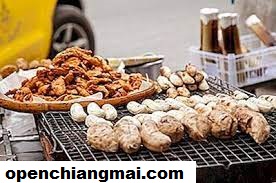
15 Warung Makanan Jalanan Terbaik di Chiang Mai,Thailand
15 Warung Makanan Jalanan Terbaik di Chiang Mai,Thailand – Makanan Thailand terkenal secara global, tetapi sebagian besar menu di seluruh dunia berkisar pada hidangan seperti Pad Thai atau Chicken Cashew Nut, yang menyalurkan rasa lebih ke Selatan.
15 Warung Makanan Jalanan Terbaik di Chiang Mai,Thailand
openchiangmai – Makanan Thailand Utara juga dikenal sebagai Lanna adalah masakan tersendiri, berkembang dari generasi ke generasi pengaruh dari negara-negara tetangga termasuk Burma, Laos, dan Cina. Temukan versi paling otentik dari favorit Lanna ini di antara budaya kedai makanan Chiang Mai yang sudah lama berdiri.
1. Khao Soi
Hidangan mie kari , Khao Soi adalah salah satu makanan khas Chiang Mai yang berasal dari Myanmar dan Laos. Pasta kari basah Khao Soi berasal dari akar lokal, rimpang, biji-bijian, rempah-rempah, dan rempah-rempah, kemudian dimasak perlahan dengan mie ayam dan telur potong tangan setidaknya dalam versi tradisional dan ditaburi dengan mie renyah yang sehat.
Baca Juga : Tempat Menginap di Chiang Mai, Thailand 4 Area Terbaik
2. Khao Soi Khun Yai
Makanan pokok Chiang Mai yang sudah lama berdiri ini, sering disebut dengan nama Inggrisnya ‘Nenek Khao Soi’, menyajikan versi sup terkenalnya yang lezat dari operasi gerobak sederhana. Duduk di antara dua kuil , Wat Rajmontean dan Wat Khuan Khama, selama 15 tahun terakhir, sebaiknya datang lebih awal karena porsinya sering habis sebelum jam 1 siang.
3. Khao Soi Islam
Restoran bergaya kantin ini terletak di lingkungan yang sangat Muslim di dekat Night Bazaar yang terkenal , dan menambahkan bakat budaya lokal ini ke dalam sup kaldu kental bergaya Burma. Meskipun khao soi mereka adalah daya tarik utama, penduduk setempat menyukai hidangan Thai-Muslim di kedai ini seperti biryani kambing, atau khao mok .
4. Segera lakukan
Camilan jalanan Chiang Mai klasik ini adalah sosis Thailand yang diresapi dengan rempah-rempah dan rempah-rempah lokal termasuk serai, jeruk purut, dan lengkuas, dipasangkan dengan pasta cabai merah khas Thailand. Tersedia secara luas di seluruh kota, rasa dan tekstur sai ua satu kios dapat sangat bervariasi ke yang berikutnya.
5. Sai Ua La Wan
Terletak di Pasar Ton Payom yang populer di seberang jalan dari Universitas Chiang Mai, vendor terkenal ini menjual makanan ringan dekaden berdasarkan beratnya dan dikenal membuat sai ua yang lebih sedikit lemak dan lebih berat pada rempah-rempah.
6. Restoran Huen Phen
Restoran yang sudah lama berdiri ini telah menyajikan masakan Thailand utara selama lebih dari 40 tahun, mendasarkan hidangannya pada resep rahasia yang diturunkan melalui keluarga. Ditata sebagai dapur kantin bergaya terbuka, terdapat berbagai item daftar ember Lanna seperti sai ua , khao soi , dan berton-ton kari tradisional.
7. Suki
Suki adalah variasi hot pot Thailand, hidangan komunal yang umum dalam masakan Cina dan Jepang yang terdiri dari daging, makanan laut, mie, dan sayuran yang dicelupkan ke dalam panci bersama yang berisi kaldu masak di samping meja. Restoran Cina telah melayani populasi Cina yang cukup besar di Thailand selama bertahun-tahun, dan wilayah Utara memperkenalkan variasi gaya Thailand dari waktu ke waktu. Suki yang dihasilkan memiliki cita rasa khas Thailand, dengan ciri khas seperti cabai, jeruk nipis, ketumbar, dan saus pedas.
8. Suki Kota
Warung populer ini berdiri setiap malam di dekat Gerbang Utara Kota Tua, dengan bahan-bahan segar dan bahan-bahan seperti ayam, babi, atau makanan laut tersedia dalam versi kering atau basah – suki haeng , atau suki nam , masing-masing. Resep saus celupnya juga unik di warung ini, terbuat dari bahan dasar tomat dengan minyak wijen dan sedikit bumbu.
9. Kai Yang
Diterjemahkan secara langsung kai yang berarti ‘ayam panggang’, tetapi variasi makanan pokok Isaan yang klasik dan gurih ini sering kali unik untuk masing-masing penjual berdasarkan bumbu dan pelengkap tertentu. Hidangan ini berasal dari Laos dan dalam bentuknya yang paling tradisional dimasak dengan saus ikan, bawang putih, kunyit, ketumbar, dan lada putih, tetapi beberapa koki menyiapkannya sesuai dengan resep yang lebih regional, termasuk serai, jahe, kecap hitam, atau saus hoisin.
10. SP Ayam
Favorit lokal yang dibuat terkenal oleh blogger makanan di seluruh dunia, SP Chicken berspesialisasi dalam senama eponymous yang disajikan dalam gaya apa pun yang bisa dibayangkan. Sebagian besar pengunjung tetap sederhana dan mencari ayam rotisserie yang dimasak dengan arang, atau kai yang, tersedia dalam berbagai ukuran porsi dan dengan beberapa pilihan saus celup untuk boot.
11. Laab Khua
Pedas dan berasap, salad daging cincang ini – sering dibuat dari bebek, ayam, atau bahkan hati – awalnya berasal dari Laos sebelum muncul di jalanan Thailand Utara. Diperkirakan hidangan ini awalnya dibawa selama migrasi orang Hmong , kelompok etnis minoritas Laos yang menetap di Timur Laut Thailand pada abad ke-19. Hari ini biasanya disajikan sebagai bagian dari satu set dengan salad pepaya dan ketan.
12. Sorn Chai
Menu sederhana di toko ini menunjukkan perhatian yang diberikan pada pembuatan setiap hidangan, disiapkan dari resep otentik namun berevolusi yang diturunkan dari generasi ke generasi. Laab khua – nya adalah versi Lanna dari spesialisasi Laos, pedas dan punchy dengan tambahan jeroan, atau organ babi.
13. Khao Kha Mu
Hidangan kaki babi di atas nasi yang terdengar sederhana ini sama sekali tidak sederhana. Kios-kios kaki lima di seluruh negeri mengklaim menyempurnakan hidangannya, menjanjikan cita rasa yang kompleks, daging yang empuk sempurna, dan nasi yang harum. Baik Anda mendambakan rasa yang lebih berasap atau tekstur yang lebih segar, ini adalah salah satu makanan jalanan khas Thailand yang tidak sulit ditemukan.
14. Khao Kha Moo Chang Phueak
Warung di dekat Gerbang Utara Kota Tua ini dijalankan oleh salah satu koki lokal yang paling dicintai di kota ini. Dikenal sebagai ‘wanita bertopi koboi’, koki kios ini telah menjadi semacam selebritas regional melalui porsi kaki babi rebus yang lezat di atas nasi bahkan Anthony Bourdain tertarik selama kunjungannya ke kota Utara.
15. Nyonya Jeen Nam Ngiaw
Dicintai oleh orang Thailand di seluruh negeri, hidangan mie fermentasi ini ternyata sulit didapat karena persiapannya yang sulit. Fermentasi mie memberi hidangan seperti kari ini rasa manis dan asam, dan Di Thailand Utara, versi yang paling populer adalah nam ngiaw , atau kaldu tipis seperti kuah yang dimasak dengan bunga dok ngiaw dan percikan darah babi.